What's inside
As an Amazon Associate I earn from qualifying purchases. This post may contain affiliate links at no extra cost to you.
Our Top Picks
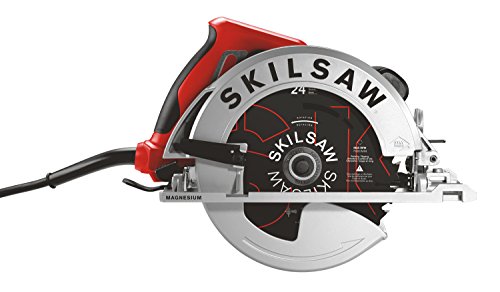 SKILSAW SPT67WL-01 15 Amp 7-1/4 In. Sidewinder CircularOne Size14.37 x 9.84 x 7.44 Inches8.6 PoundsCheck on Amazon


Quick verdict
For most framing work, the Skilsaw SPT67WL is the better buy if you want a light, easy-to-handle saw for repeated cuts. It weighs about 8.6 pounds and uses a 15-amp motor with a 7-1/4-inch blade. The Makita 5007MG is heavier at about 10.6 pounds, but adds magnesium components and useful depth and bevel scales. Choose the Makita if its more substantial feel, visible adjustments, or included blade suit your work. Choose the Skilsaw if you carry the saw all day and want to spend less effort lifting it.
Specs that matter on a framing site
| Feature | Skilsaw SPT67WL | Makita 5007MG |
|---|---|---|
| Blade diameter | 7-1/4 inches | 7-1/4 inches |
| Motor | 15 amps | 15 amps |
| Weight | About 8.6 pounds | About 10.6 pounds |
| Maximum cut at 90 degrees | About 2-3/8 inches | About 2-1/2 inches |
| Maximum bevel | 56 degrees | 56 degrees |
| Notable detail | Lightweight magnesium construction | Magnesium components and large depth and bevel scales |
Exact weight and cutting capacity can vary slightly by how a manufacturer measures the saw and whether the blade is fitted. Both are conventional right-blade, corded saws, so neither has the left-side blade visibility some users prefer for guiding cuts. Both can crosscut common framing lumber and bevel-cut 2-by material. For a 45-degree cut through a 2-by-4, either has ample capacity; the extra depth of a straight cut matters more when cutting thicker stock or stacking material.
As an Amazon Associate we earn from qualifying purchases at no extra cost to you.


Cutting performance in framing lumber
Both saws have 15-amp motors, so on paper they occupy the same class. In practice, a sharp framing blade, steady feed, and support under the workpiece matter more than small differences in motor feel. A dull or dirty blade can make either saw bog down, burn the cut, or pull off line. Use a suitable 24-tooth framing blade for fast rough cuts, and replace it when it starts requiring force.
The Skilsaw’s main advantage is its lower weight. That difference is noticeable when making repeated overhead or ladder-adjacent cuts, carrying the tool across a floor, or working one-handed to position stock before cutting. It does not make overhead cutting safe: support the work, keep both hands on the saw when possible, and avoid cutting above shoulder height when a safer setup is available.
The Makita feels more substantial and offers scales that are easier to read when setting depth or bevel. That helps when switching between flush cuts, standard framing cuts, and bevels throughout the day. Its extra two pounds are the trade-off. If most cuts happen at a bench or on the deck, the weight may matter little; if the saw is constantly in your hand, it can add up.
Adjustments, control, and common mistakes
The Makita’s large adjustment markings are useful, but always verify the blade angle against a square when accuracy matters. Factory scales are guides, not a guarantee that the shoe is exactly at 90 or 45 degrees. Check the blade-to-shoe relationship with the saw unplugged, then adjust the bevel stop if needed. Recheck after a hard drop or a rough transport day.
On either saw, set depth so the blade extends only modestly below the work—roughly 1/4 inch is a common target for a single layer of lumber. Too much exposed blade increases the chance of binding and kickback. Clamp or firmly support short pieces; a board that closes on the blade can pinch it. Keep the cord behind the cut path, and wait for the blade to stop before setting the saw down.
Both have corded convenience and corded limits. A long extension cord that is too light can reduce performance and heat up under load. Use a properly rated outdoor cord of suitable gauge for the length, and inspect it for damage. If the job involves frequent cuts far from outlets, a cordless saw may be more practical, though it adds battery cost and charging logistics.
Price and value
The Skilsaw is often the less expensive option, but street prices change. If the price gap is meaningful and you do ordinary framing, it is the sensible choice: both have enough power and capacity for common cuts in dimensional lumber. Put some of the savings toward a good blade, hearing protection, and eye protection. A premium saw does not compensate for a dull blade or poorly supported stock.
The Makita is worth paying more for if you value its scales, prefer its adjustment layout, or find it more comfortable to guide. It is not automatically more accurate simply because it costs more, and its added weight is a real disadvantage for mobile work. Check what is included in the package; the blade, case, and warranty terms can affect the value.
If you are comparing current prices, search for a Skilsaw SPT67WL and a Makita 5007MG. Confirm the exact model and included accessories before ordering; listings may bundle different blades or omit a case.
Which one should you buy?
Pick the Skilsaw SPT67WL for typical framing when low weight and value take priority. It is the easier saw to carry and lift, and its capacity is enough for everyday 2-by lumber. Pick the Makita 5007MG if the clearer adjustment scales and heavier feel fit your workflow, especially when you make frequent bevel cuts or work mostly at ground level.
Neither is the right answer if you need a track saw’s precision, a worm-drive saw’s particular balance, or cordless mobility. For straightforward framing, though, the decision is simple: buy the lighter Skilsaw unless the Makita’s controls are worth the extra weight and cost to you.