What's inside
As an Amazon Associate I earn from qualifying purchases. This post may contain affiliate links at no extra cost to you.
Our Top Picks
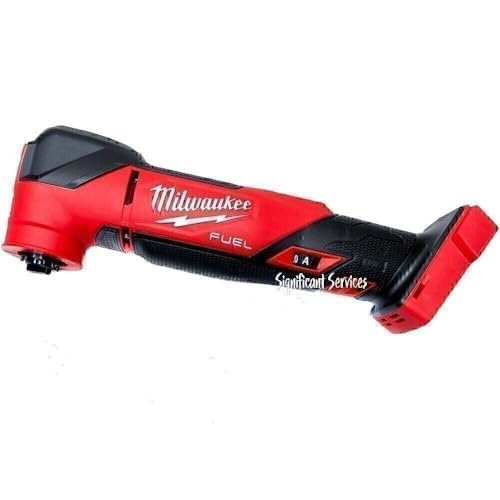 Milwaukee 2836-20 M18 FUEL Brushless Lithium-Ion Cordless Oscillating13x5x3 inches13 x 5 x 3 Inches3.09 PoundsCheck on Amazon



What’s being compared
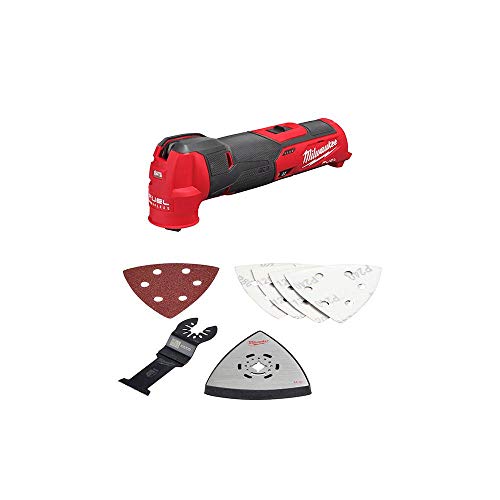
Milwaukee’s M18 FUEL oscillating multi-tool and DeWalt’s DCS356 are both cordless tools for cuts, flush trimming, scraping and sanding in tight spaces. The main difference is how they balance speed and control: Milwaukee gives you a broad speed range and a tool-free blade change; DeWalt pairs a three-speed selector with a trigger you can feather as you work.
There are multiple versions and kits on sale, so check the exact model and included accessories before comparing prices. The figures below refer to the commonly sold Milwaukee M18 FUEL tool with a 10,000–20,000 oscillations-per-minute range and the DeWalt DCS356 with a 0–20,000 OPM range. OPM means oscillations per minute, not cutting strokes through the workpiece.
As an Amazon Associate we earn from qualifying purchases at no extra cost to you.


Speed and control
| Feature | Milwaukee M18 FUEL | DeWalt DCS356 |
|---|---|---|
| Maximum speed | 20,000 OPM | 20,000 OPM |
| Speed adjustment | Variable-speed dial, about 10,000–20,000 OPM | Three-speed selector, plus variable-speed trigger |
| Blade changes | Tool-free clamp on common versions | Tool-free quick-change lever |
| Battery platform | Milwaukee M18 | DeWalt 20V MAX |
| Best control advantage | Dial sets a repeatable speed | Trigger lets you ramp speed within a setting |
Both reach the same published top speed, so the headline number does not make one the faster cutter in every material. Blade type, tooth condition, pressure and workpiece all matter. A fresh bi-metal blade can cut a nail-filled stud more effectively than a worn blade on either tool. Pressing hard is usually counterproductive: it heats the blade, increases vibration and can stall the cut.
Milwaukee’s dial is useful when you want to keep a steady speed for a run of cuts or scraping. DeWalt’s trigger gives finer moment-to-moment control, particularly when starting a plunge cut or easing into a delicate trim. The three-speed setting limits the trigger’s range, which can help prevent accidental full-speed starts. Neither system replaces a light touch; let the accessory do the work.
Vibration and comfort
Oscillating tools inherently vibrate, and published specifications do not provide a directly comparable vibration figure for these two models. In practice, comfort depends on the accessory and task as much as the tool: a long, narrow blade tends to feel less stable than a short one, while scraping hard adhesive can transmit a lot of vibration into the hands.
Milwaukee’s design includes vibration-reducing measures, but that does not make it vibration-free. DeWalt’s DCS356 is also manageable for short cuts, though prolonged sanding or repeated flush cuts can tire your hands with either tool. If you are cutting overhead or working for long stretches, use a sharp, appropriate accessory, keep a relaxed grip and take breaks. A dull blade makes both tools work harder and can cause the user to push, worsening control and fatigue.
For fine work, the DCS356’s featherable trigger is a practical advantage: it is easier to start slowly without changing the selected speed. For repeated cuts at a chosen pace, Milwaukee’s dial is simpler to set and maintain. Neither should be chosen on a claim of dramatically lower vibration without trying the tool in hand.
Blade changes and compatibility
Both tools offer tool-free accessory changes, but “universal fit” does not mean every blade mounts the same way. Check the accessory’s stated interface and the tool’s clamp instructions. An adapter may be needed for some older or proprietary accessories, and a poorly seated blade can shift under load. Stop the tool, remove the battery before inspecting the mount, and make sure the accessory is locked in place before cutting.
Frequent blade changes matter when a job moves between wood, metal and grout. Both quick-change systems are more convenient than hunting for a hex key, but gloves, packed dust and awkward angles can still slow the process. Keep the clamp area clean; debris can prevent a secure fit. For metal with embedded nails, use a blade rated for that work rather than sacrificing a wood blade.
Which one should you buy?
Choose the Milwaukee if you already own M18 batteries, prefer a speed dial and want a tool that fits into an established Milwaukee kit. The DCS356 makes more sense if your batteries are DeWalt 20V MAX or you value trigger control for starts, short cuts and finish work. Platform ownership often outweighs small differences in tool-only price: buying another battery and charger can erase the saving on a bare tool.
For occasional household jobs—trimming a door casing, removing a small patch of caulk or cutting a few drywall openings—the cheaper tool is fine if it has a secure accessory clamp and the right blade. You do not need a premium model just to make a handful of cuts. Compare the tool-only price with a kit price, and check whether the kit includes a battery, charger and useful blades rather than filler accessories.
If you are starting from scratch, compare current offers on a Milwaukee M18 FUEL oscillating multi-tool and a DeWalt DCS356. Check the listing carefully for bare-tool versus battery-kit pricing, included accessories and the exact model revision.
Match the tool to the job
For cutting door jambs flush to a new floor, use a suitable flush-cut blade, support the tool and make a short test cut in scrap. For plunge-cutting drywall, set a cautious speed and keep the blade shallow so you do not hit wiring or plumbing behind the panel. For scraping, angle the scraper gently; levering against the surface can gouge wood or tear paper facing from drywall.
In short, speed is a tie on paper: both top out at 20,000 OPM. Milwaukee favors repeatable dial settings; DeWalt favors hands-on trigger modulation. Choose by battery platform, control preference and the work you actually do—not by maximum OPM alone.