What's inside
As an Amazon Associate I earn from qualifying purchases. This post may contain affiliate links at no extra cost to you.
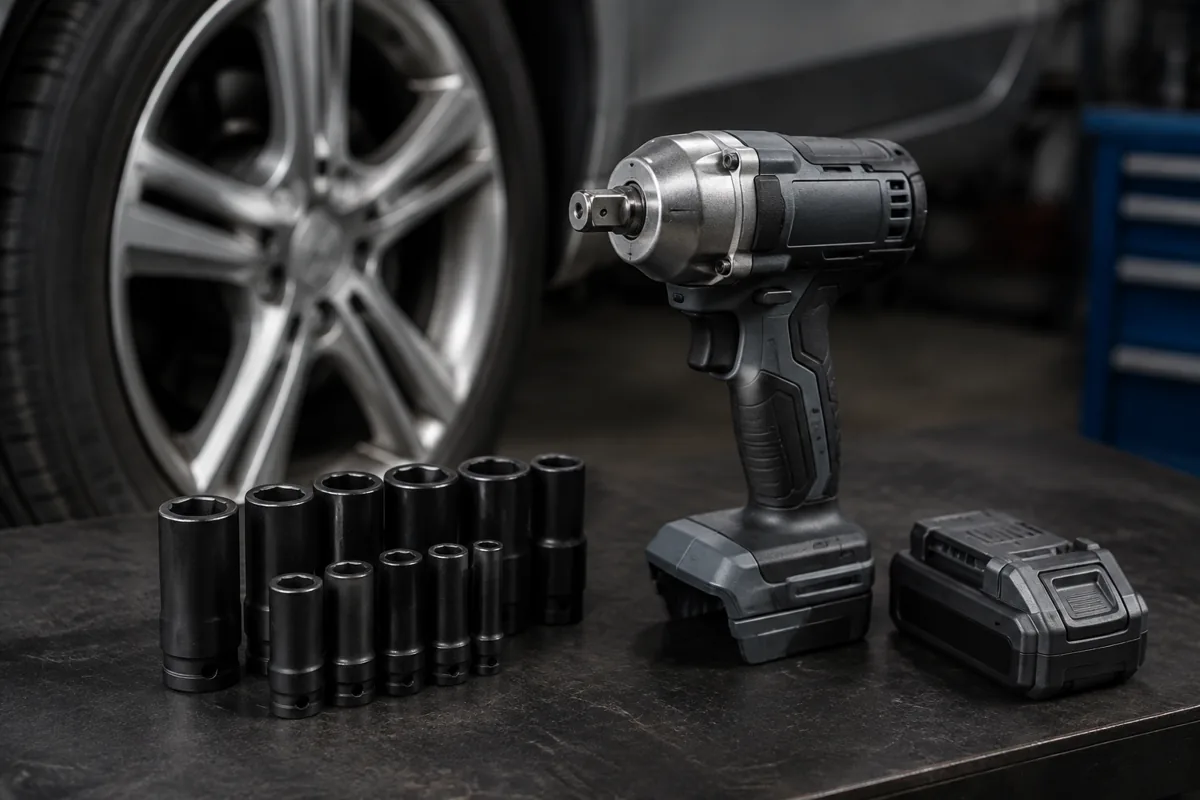
Recessed automotive fasteners create a simple-looking problem: the nut or bolt is easy to see, but the surrounding pocket prevents a standard socket from reaching it. The right impact socket depth is not automatically “the deepest one available.” You need enough reach to engage the fastener fully, while avoiding a socket that bottoms out in the recess, contacts nearby parts, or flexes under impact.
Our Top Picks
 VEVOR 1/2" Drive Impact Socket Set 65 Piece1/2" 65 PCS21.06 x 16.85 x 2.68 inches31.99 PoundsCheck on Amazon
Measure the Fastener and Recess
Start with the fastener size, then measure the distance from the opening of the recess to the working face of the nut or bolt head. That distance is the minimum socket reach you need. Add a small margin—typically 3 to 6 mm (about 1/8 to 1/4 inch)—so the socket does not sit on the edge of the recess.
Do not confuse socket overall length with usable reach. A socket may be 3 inches long, but its internal broach, drive end, or outside shoulder can reduce how far it actually reaches into a pocket. For a recessed lug nut, spark plug well, axle nut, or suspension fastener, compare the manufacturer’s dimensional drawing when possible.
A quick test with a cheap standard socket is useful. Push it into the recess by hand without attaching a wrench. If the socket stops before the drive end is near the opening, you need a deep socket or an impact extension. If the socket reaches the fastener but hits the bottom or side of the pocket, a longer socket will not solve the problem; you need a slimmer outside diameter or a different socket style.
Standard, Deep, and Extra-Deep Sockets
For most automotive work, a standard impact socket is the shortest and most stable choice. It is appropriate when the fastener is close to the opening and there is no stud extending through the nut. The shorter body also puts less leverage on the anvil and is less likely to strike surrounding components.
A deep impact socket is the usual answer for recessed fasteners. It provides enough internal clearance for a protruding stud and typically reaches nuts several centimeters below the surface. Deep sockets are a good fit for wheel studs, engine-bay brackets, and suspension hardware where the pocket is narrow but not unusually deep.
Extra-deep sockets are useful when a long stud extends through the nut or the fastener sits far down a tube. They are not automatically better. Their length can make it harder to keep the tool straight, especially with a high-torque impact wrench. If the socket is forced at an angle, it can round the fastener, damage the recess, or load the drive anvil unevenly.
| Socket type | Typical use | Main advantage | Main drawback |
|---|---|---|---|
| Standard impact socket | Shallow nuts and exposed bolt heads | Short, stable, and easy to control | Limited clearance over studs |
| Deep impact socket | Recessed nuts and moderate stud length | Good reach for most automotive jobs | May still bottom out on long studs |
| Extra-deep socket | Long wheel studs, tubular pockets, and deep engine fasteners | Maximum internal clearance | More flex and greater chance of side contact |
| Thin-wall impact socket | Tight wheel recesses and narrow access holes | Fits where normal sockets cannot | Less wall material and potentially shorter service life |
Check Outside Diameter and Wall Thickness
Depth is only half the selection. A deep socket that will not enter the access hole is useless. Measure the recess opening and compare it with the socket’s outside diameter, leaving clearance for dirt, paint, and slight misalignment. A practical target is at least 1 to 2 mm of radial clearance where the fastener is accessible and the socket must be installed by hand.
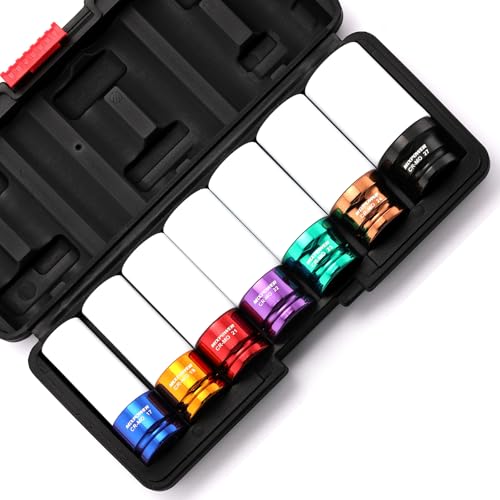
Thin-wall impact sockets can solve tight wheel and body-panel clearances, but they trade material for access. They are appropriate when a regular impact socket physically cannot fit, not as a general replacement for thicker sockets. Avoid using a thin-wall socket on a badly rusted fastener if a thicker option fits; rust and high torque increase the chance of cracking or deforming the socket.
For frequent wheel work, compare a thin-wall impact socket set with a conventional set. The cheaper standard set is fine for ordinary lug nuts with open access. Pay for thin-wall construction only when the vehicle’s wheel recess requires it.
Match Socket Depth to the Drive Tool
A long socket magnifies alignment problems. This matters more with a powerful impact wrench than with a hand ratchet. Keep the socket square to the fastener and support the tool so its weight does not pull the socket sideways. If access requires a wobble extension or universal joint, use the shortest combination that reaches. Every added joint increases movement and reduces how efficiently impact force reaches the fastener.
Use impact-rated sockets and extensions with impact wrenches. Chrome hand-tool sockets can be brittle and may shatter under repeated impact loading. For a recessed fastener that needs only a little more reach, an impact extension set can be more versatile than buying multiple extra-deep sockets.
There is one important exception: an extension adds length between the tool and socket but does not create internal clearance for a stud. If the stud bottoms out inside the socket, use a deeper or pass-through design instead. Do not stack extensions simply to compensate for the wrong socket depth.
Avoid Bottoming and Incomplete Engagement
Before applying power, push the socket fully onto the fastener and verify that all usable internal flats are engaged. For a hex fastener, aim for full contact along the flats rather than contact only at the corners. A socket that engages just 2 or 3 mm may turn a lightly tightened nut, but it can slip under high breakaway torque.
Bottoming is another common failure mode. The end of a stud, a washer, or the bottom of a blind recess can stop the socket before it reaches the fastener. The tool may appear seated while the socket is actually resting on the obstruction. Mark the socket with a paint pen, or check the depth with a small rod, then confirm the socket reaches the nut face.
If the fastener is rusted, rounded, or unusually tight, choose engagement and wall strength over the last few millimeters of access. A six-point six-point impact socket set is generally safer than a twelve-point socket because it applies force to the flats. Twelve-point sockets are useful for limited angular access, but they offer less margin on damaged fasteners.
When a Specialty Socket Is Better
Some recessed fasteners are not solved by more depth. Spark plugs need the correct spark-plug socket with a rubber retainer or magnet. Lug nuts with extended threaded sections may need an extra-deep socket. A recessed oil filter housing or axle fastener may require a low-profile, thin-wall, or manufacturer-specific socket.
If the fastener sits inside a very narrow tube, consider a deep impact socket set only after checking its outside diameter. The best purchase is the shortest socket that fully engages the fastener, clears the recess, and leaves enough internal room for any protruding stud. That combination reduces slipping, protects the surrounding component, and puts less unnecessary load on the impact tool.