What's inside
As an Amazon Associate I earn from qualifying purchases. This post may contain affiliate links at no extra cost to you.
Our Top Picks
 DEWALT 20V Max Drywall Screwgun11.2 x 3.4 x 7.2 Inch11.2 x 3.4 x 7.2 inches2.6 PoundsCheck on Amazon
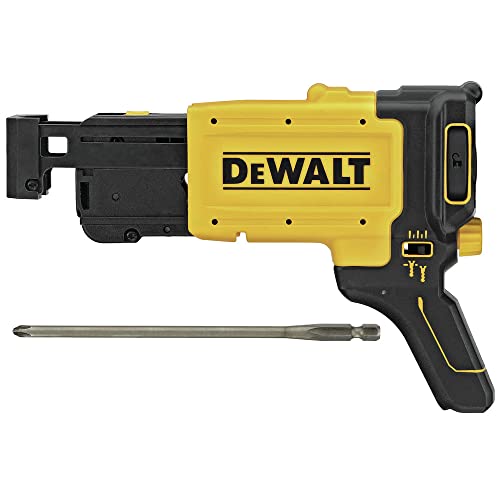 DEWALT Drywall Screw Gun Collated AttachmentOne Size6.38 x 2.63 x 9.25 inches1.4 PoundsCheck on Amazon

What these tools do
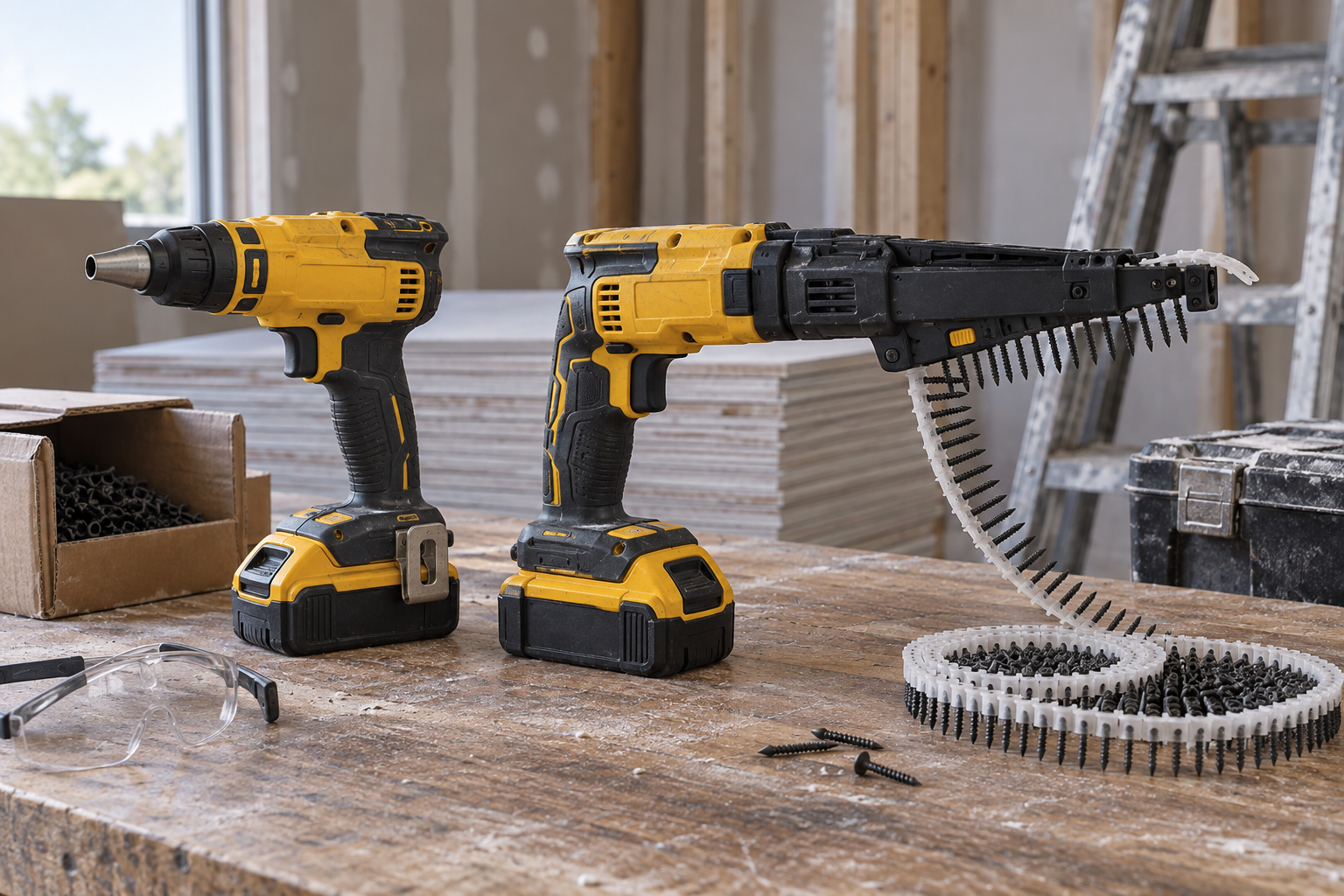
The DeWalt DCF622 and Makita XSF03 are cordless screw guns for driving self-drilling screws into sheet metal and metal framing. Both use a nosepiece to control screw depth and a high-speed drive intended for repetitive work. Neither is a general-purpose drill or impact driver: the depth-setting nose and screw-gun clutch make them better suited to runs of consistent fasteners than to drilling holes or driving long construction screws.
The important buying questions are whether the tool fits your existing battery system, how well its nosepiece handles your screws and material, and whether the job calls for an attached collated-screw magazine. These are typically sold as bare tools, so account for batteries and charger if you are not already on the platform.
As an Amazon Associate we earn from qualifying purchases at no extra cost to you.


Key differences at a glance
| Feature | DeWalt DCF622 | Makita XSF03 |
|---|---|---|
| Platform | 20V MAX battery system | 18V LXT battery system |
| Published speed | Up to 2,000 rpm | Up to 4,000 rpm |
| Drive style | Depth-sensitive screw gun with nosepiece | Depth-sensitive screw gun with nosepiece |
| Collated screws | Accepts a compatible screw-gun attachment | Accepts a compatible screw-gun attachment |
| Best fit | DeWalt 20V users wanting a controlled, lower-speed tool | Makita LXT users prioritizing fast repetitive driving |
Published maximum speed is not a direct measure of how many screws you will install in a shift. Screw length, sheet thickness, framing gauge, operator technique, and screw-feed setup all affect actual production. Check the current tool and attachment manuals for compatible fastener ranges; do not assume every self-drilling screw or magazine will work with either gun.
Speed, control, and depth setting
Makita’s 4,000-rpm rating is twice the DeWalt’s 2,000 rpm, giving the XSF03 the advantage on long, repetitive runs when the material and screw allow fast driving. That speed can also make it easier to overdrive a fastener or damage thin sheet if the nosepiece is set incorrectly or the operator rushes. Start with a test screw in scrap matching the job, then adjust depth until the head is seated without tearing the sheet or deforming it around the screw.
The DCF622’s lower top speed is not automatically a drawback. It may feel easier to manage for installers who are still learning to set depth, working in awkward positions, or driving into material that needs a more measured approach. Neither tool guarantees a correct drive: a screw that spins without biting may have missed the framing, used the wrong point, or been driven into material outside its rated capacity. A stripped hole is not fixed by leaning harder on the trigger.
Magazine work and fastener compatibility
For a handful of screws, the supplied nosepiece and loose fasteners are usually the simpler setup. On a large ceiling, wall, or roof run, a compatible collated-screw attachment can reduce the repeated motion of picking up and positioning individual screws. It adds cost and bulk, and it needs the correct collated fasteners; confirm that the attachment is approved for the gun and screw type before buying.
Both tools are designed for controlled screw driving, not for using an impact mechanism to force a fastener through resistant steel. Choose self-drilling screws with a point and length suited to the combined material thickness and framing gauge. If the screw point stalls, spins, or burns, stop and check the fastener specification and workpiece rather than continuing to drive. For frequent production work, compare collated self-drilling screws for metal framing against the gun attachment’s compatibility list.
Battery platform and handling
Battery ownership is often the clearest reason to choose one over the other. If your crew already has DeWalt 20V MAX batteries, the DCF622 avoids adding a charger and another battery system. Makita LXT users get the same advantage with the XSF03. A new platform can make sense if the screw gun is part of a wider tool purchase, but buying a single bare tool and then adding batteries can erase an apparent price difference.
Battery capacity affects runtime and weight; a larger pack may last longer between changes but can make overhead work more tiring. Consider how often you will work above shoulder height and whether your current packs fit comfortably on the tool. For a full-day production job, having a charged spare is more useful than relying on one large battery and stopping when it is depleted.
Which one should you buy?
Choose the Makita XSF03 if you are already on LXT and expect long runs where its higher rated speed can save time. It is the stronger fit for a practiced installer who can keep the nose square, maintain a steady pace, and set depth consistently. A compatible collated-screw attachment for the Makita XSF03 is worth considering when fastener volume justifies the extra setup and cost.
Choose the DeWalt DCF622 if you already own DeWalt 20V batteries, prefer a lower-speed feel, or value control over maximum published rpm. For occasional metal-framing repairs and smaller projects, it can be the sensible choice even if the Makita is faster on paper. There is little reason to pay to switch platforms just to gain a higher speed rating if you only drive a few dozen screws at a time.
If neither battery system is already in your shop, compare the complete cost: tool, at least one suitable battery, charger, and any magazine attachment you actually need. Also confirm local availability of compatible bits, nosepieces, and screws. The best gun is the one that drives your specified fasteners cleanly, fits your batteries, and lets you repeat the correct depth without slowing down to fix stripped holes.