Combination Square vs Speed Square: Which Helps More with Woodworking Layout?

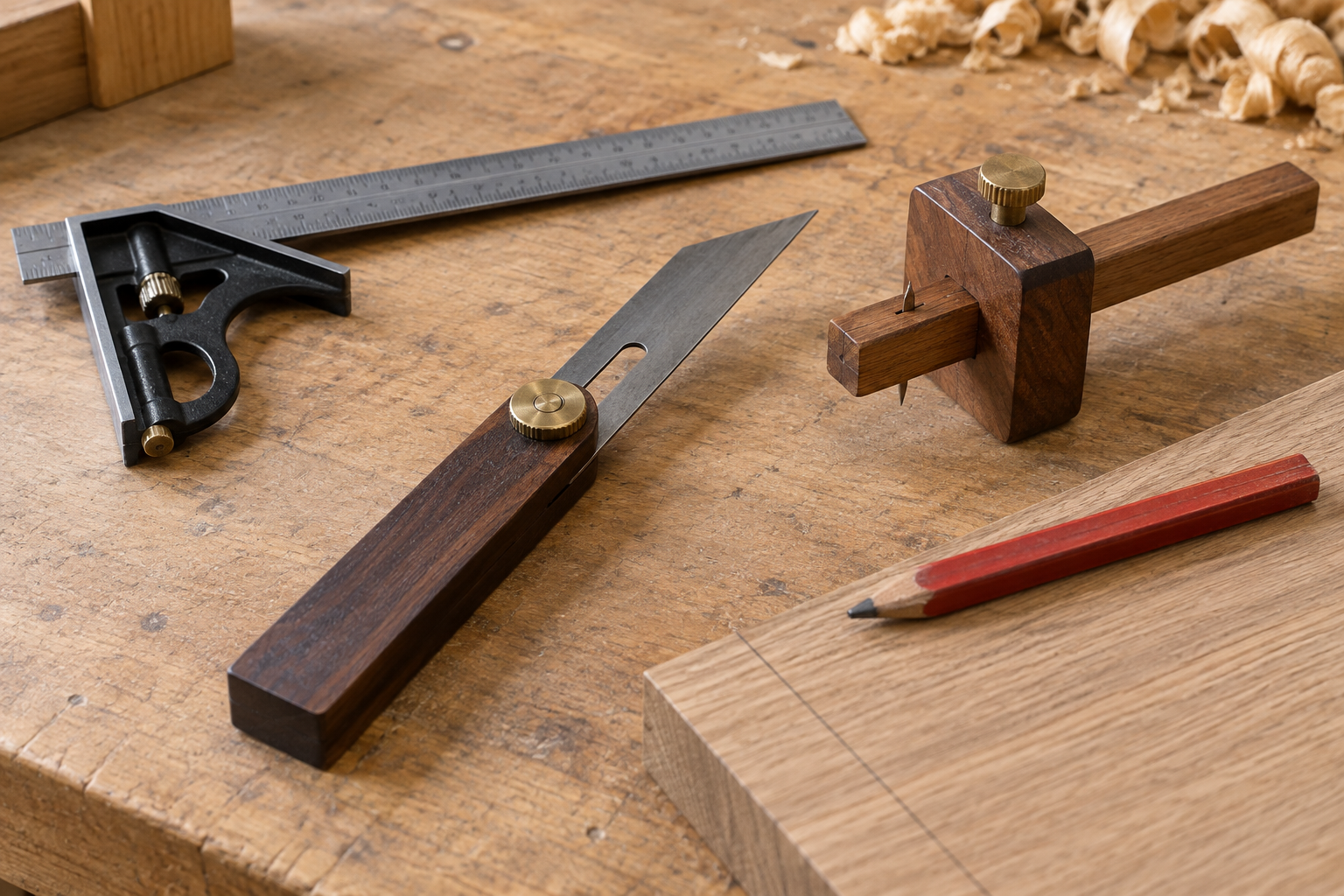
AI-generated editorial illustration: combination square, sliding bevel, marking gauge and carpenter pencil.

Short answer: choose for the marks you make most A combination square is more useful for general woodworking layout: it checks and marks 90- and 45-degree angles, measures short distances, and helps transfer measurements from one edge to another. A speed square is faster for marking common angles across boards, especially when laying out cuts … Read more

GearWrench Ratcheting Wrench vs Tekton Combination Wrench: Which Is Better in Confined Spaces?

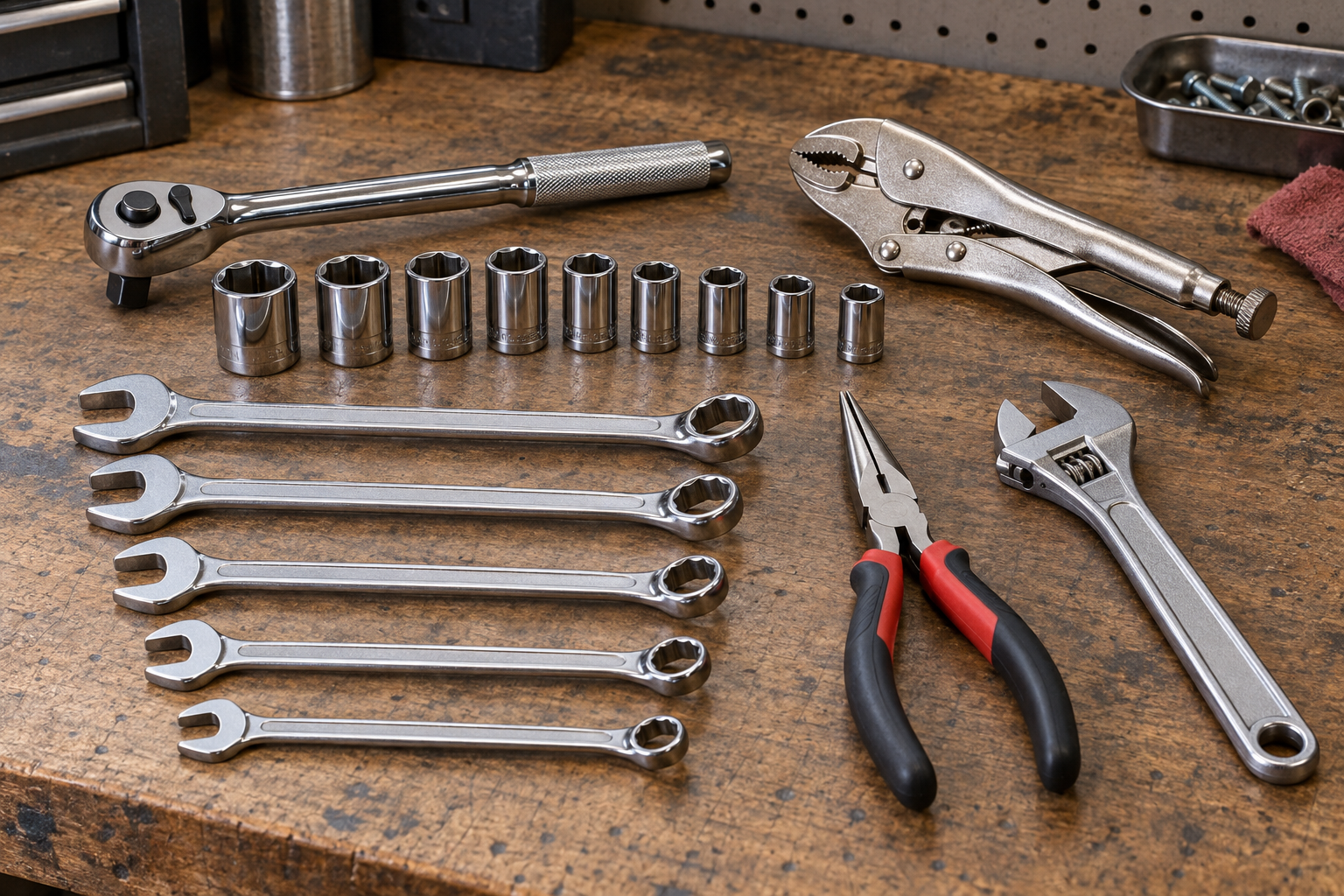
AI-generated editorial illustration of socket wrench pliers assortment

A ratcheting wrench is usually the faster choice in a tight spot, but it is not automatically the better wrench. A GearWrench ratcheting combination wrench lets you turn a fastener without lifting and repositioning the tool after every stroke. A standard Tekton combination wrench needs that reset, but its simpler box end is often a … Read more

Husky vs GearWrench Ratchets: Which Offers Better Access and Repairability?

Editorial illustration: ratchet wrench beside an assortment of sockets.

The short answer For most home garages, Husky ratchets are the better value: they’re usually less expensive, easy to find at Home Depot, and backed by a straightforward hand-tool warranty. GearWrench earns its higher price when you need a slimmer head, a finer swing arc, or more choices across specialty ratchets. Those details matter in … Read more

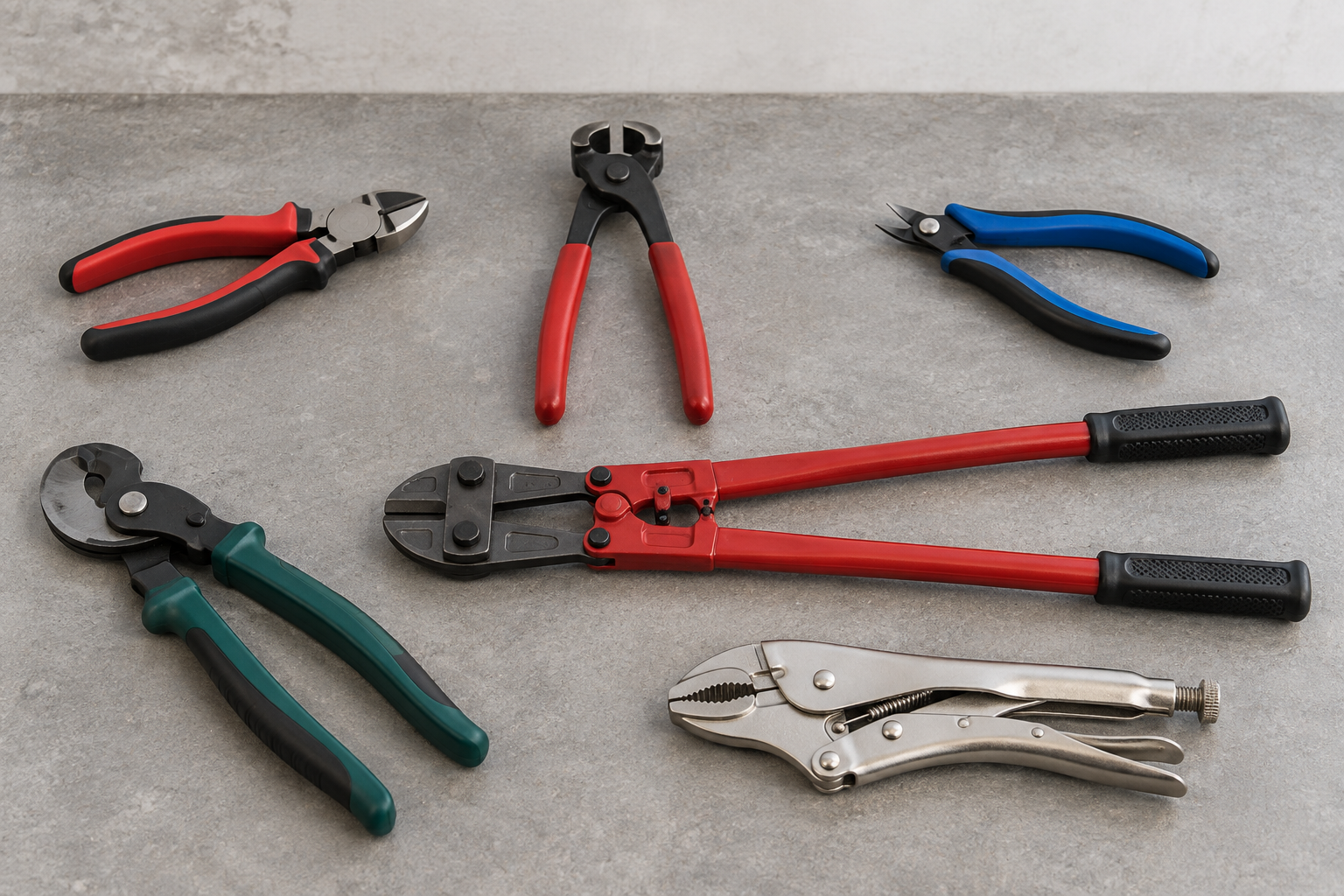
Diagonal Cutters vs End Cutting Nippers: Which Tool Is Better for Removing Wire and Nails?

AI-generated editorial illustration of hand cutting pliers and bolt cutters

Diagonal cutters and end cutting nippers both remove wire and nails, but they do it from different angles. Diagonal cutters are the everyday choice for snipping wire flush or nearly flush. End cutting nippers, often called end cutters or pincers, approach the material from the front and use the jaws to pull, lift, or cut … Read more

Deep Sockets vs Shallow Sockets: When Does Each Save Time on Automotive Repairs?

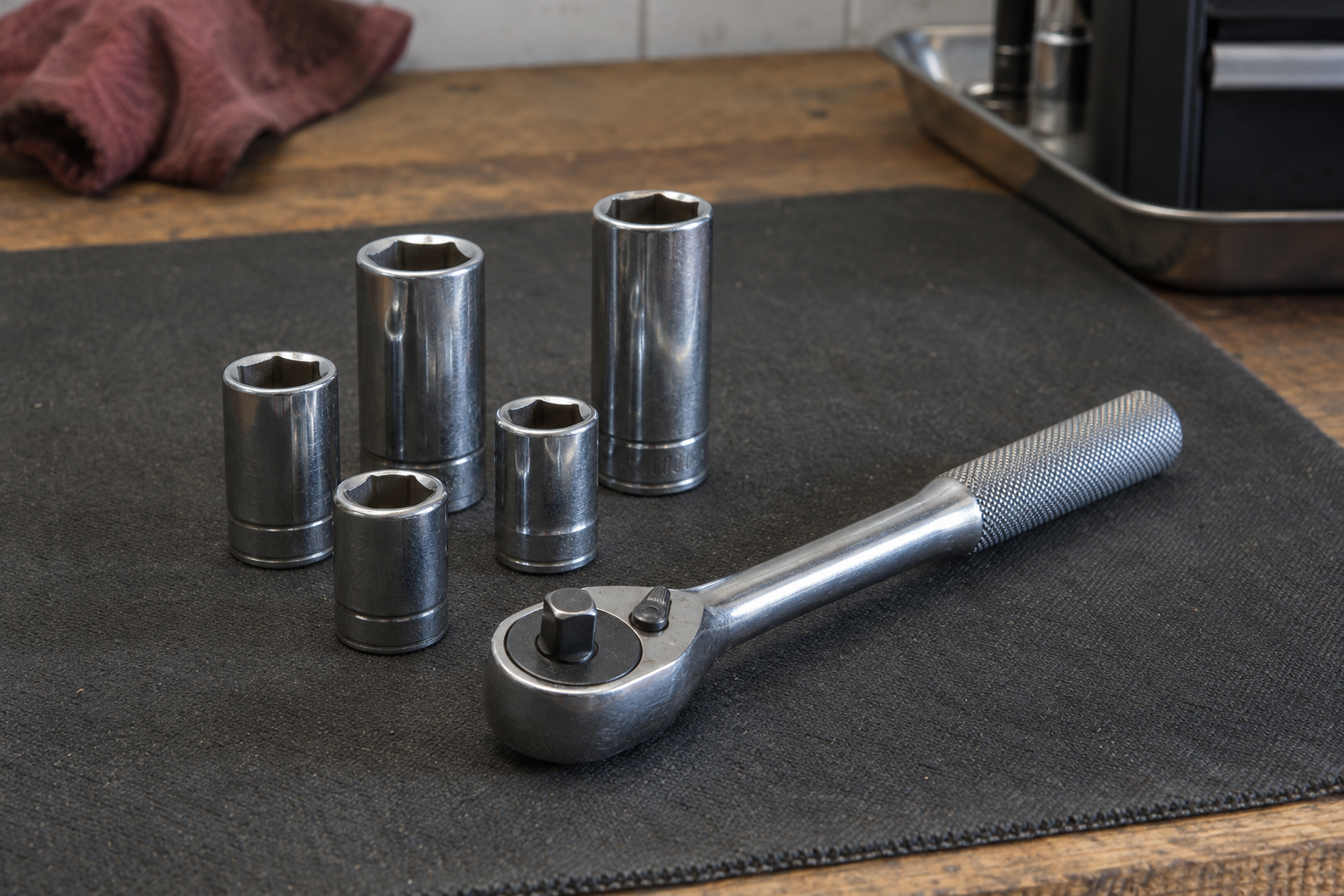
Editorial illustration: ratchet wrench beside an assortment of sockets.

Deep and shallow sockets do the same basic job, but their different lengths affect whether you can reach a fastener, keep the tool aligned and finish a repair without switching tools. For most automotive work, neither replaces the other. A useful set starts with shallow sockets for ordinary access and adds deep sockets in the … Read more

Order backlinks