Japanese Waterstone vs Oilstone for Honing Plane Irons

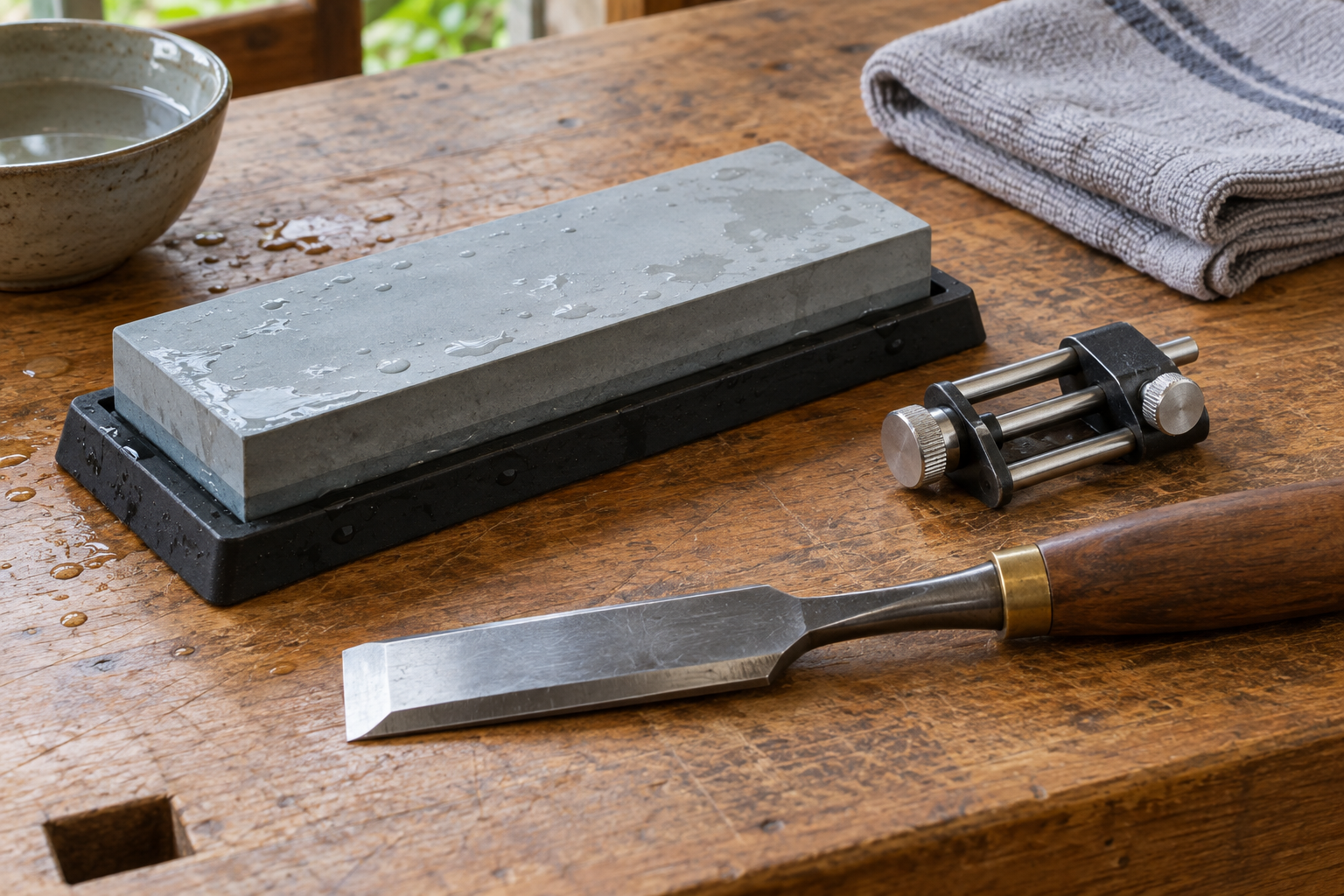
AI-generated editorial illustration of sharpening stone

Choosing between a Japanese waterstone and an oilstone for honing plane irons is mostly a decision about speed, mess, and maintenance. Both can produce a sharp edge. Neither fixes a badly damaged iron or replaces a reliable sharpening routine. The better choice depends on how often you sharpen, how much steel you remove, and whether … Read more

Honing Guide vs Freehand Sharpening for Narrow Carving Tools

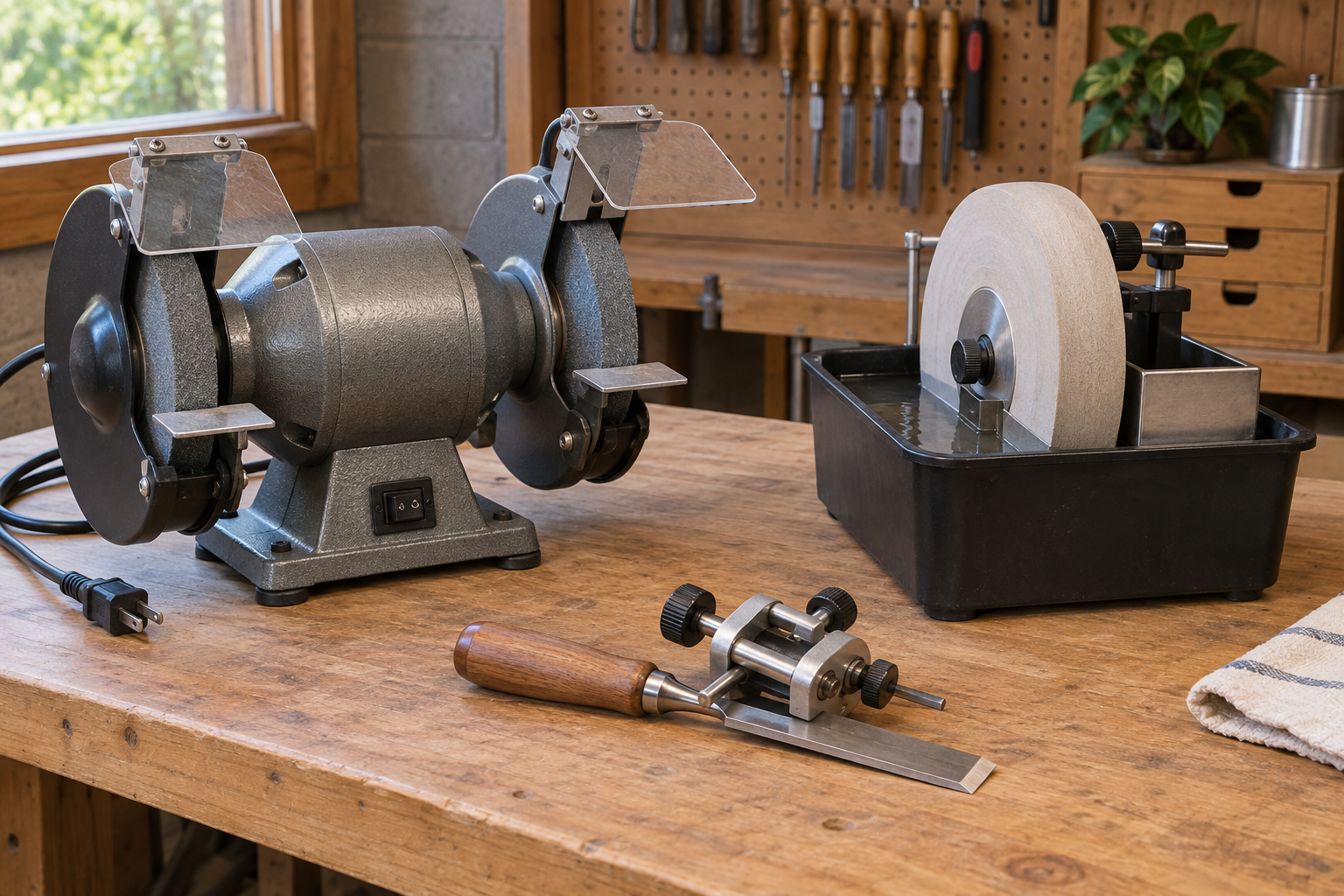
AI-generated editorial illustration of bench grinder and sharpening jig

The choice in brief For narrow carving tools, a honing guide gives you repeatable bevel angles, while freehand sharpening is faster, more flexible, and better suited to curved edges. Neither method is automatically sharper. The real difference is how easily you can hold the edge at the correct angle without rounding it over or grinding … Read more

Best Mortise Chisel Width for Cutting Traditional Door Joints

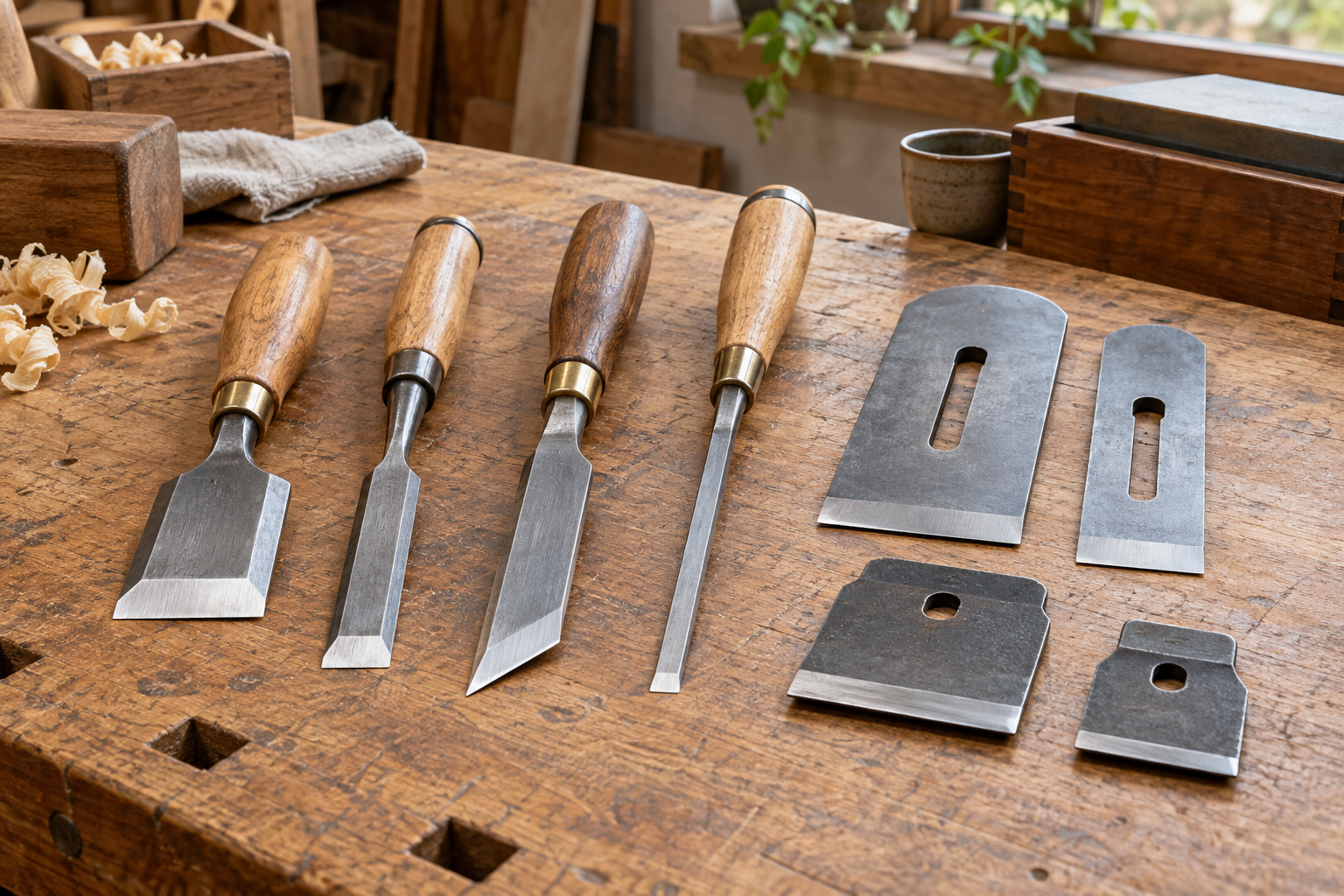
AI-generated editorial illustration of specialty chisels and plane irons

For traditional door mortise-and-tenon joints, a 3/8-inch mortise chisel is the best all-around starting point. It suits many interior door joints, is strong enough for controlled mallet work, and removes waste faster than a narrow paring chisel. But the correct width depends on the mortise, the tenon thickness, and whether you are chopping hardwood or … Read more

Diamond Plate vs Waterstone for Sharpening Bench Chisels

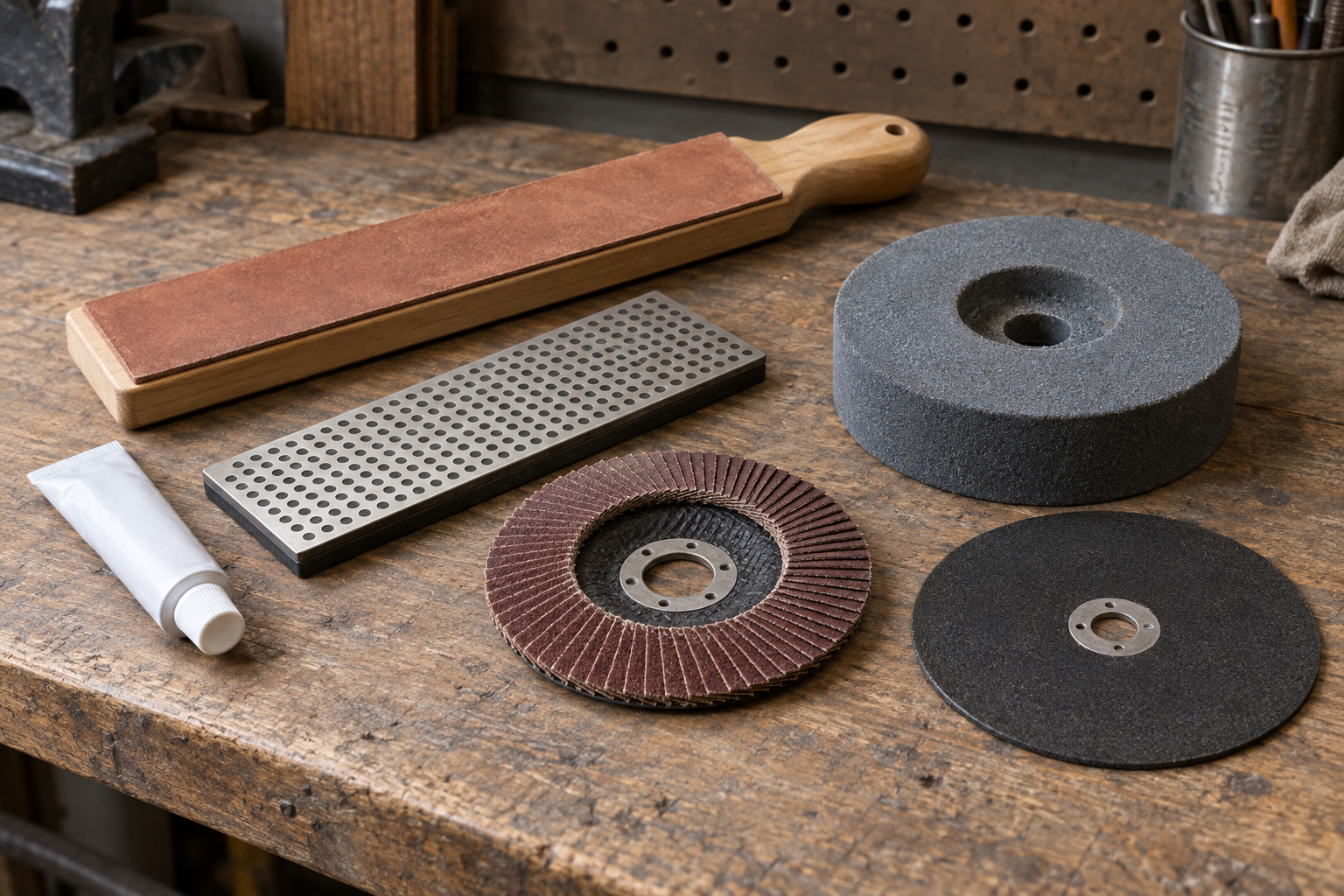
AI-generated editorial illustration of sharpening stone

For sharpening bench chisels, diamond plates and waterstones can both produce a keen, durable edge. The better choice depends less on ultimate sharpness than on how often you sharpen, how much maintenance you will tolerate, and whether you need to remove steel quickly. Diamond plates are fast, clean, and nearly maintenance-free. Waterstones give excellent feedback … Read more

How to Choose a Chisel Bevel Angle for Hardwood Paring

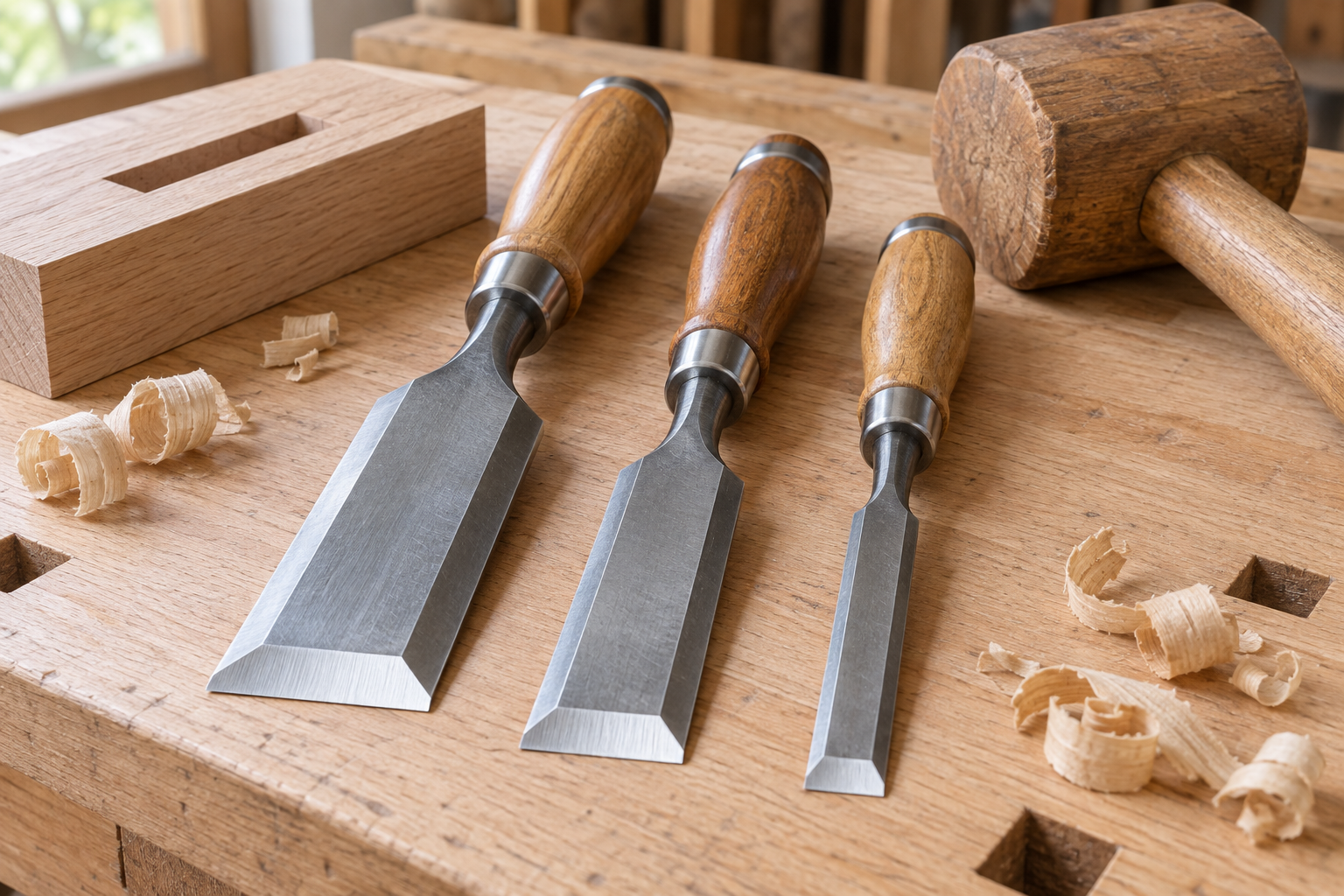
AI-generated editorial illustration of woodworking bench chisels, a wooden mallet and a mortise sample.

Choosing a chisel bevel angle for hardwood paring is a durability-versus-control decision. A low angle cuts with less resistance and leaves a cleaner surface, but its thin edge rolls or chips sooner. A steeper bevel survives harder, knotty stock better, though it takes more effort and is less pleasant for delicate trimming. For most hardwood … Read more

Best Shoulder Plane for Trimming Cabinet Door Tenons

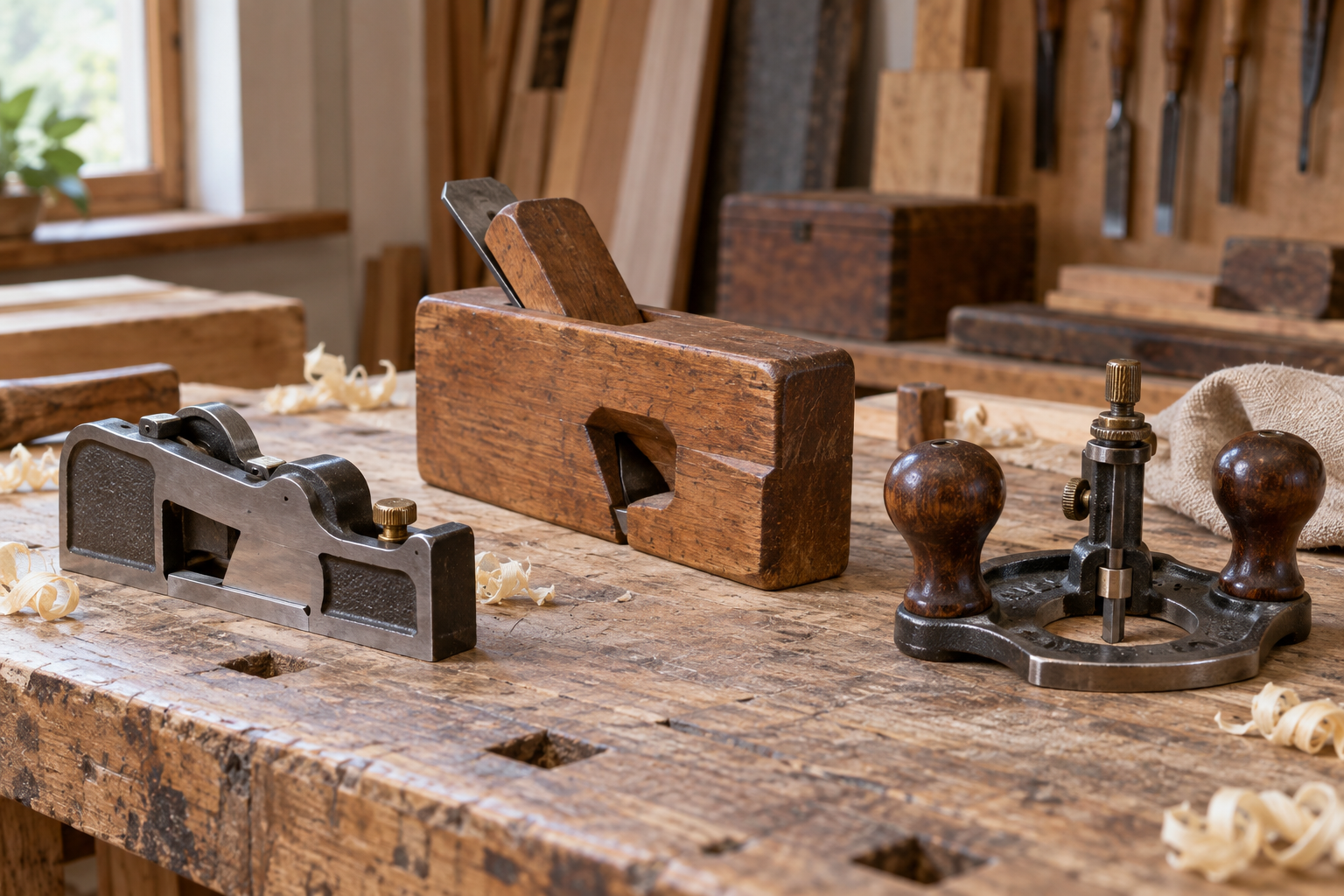
AI-generated editorial illustration of specialty hand planes

What Makes a Shoulder Plane Suitable for Cabinet Door Tenons A shoulder plane is the right tool when a cabinet door tenon is almost correct but needs a controlled trim on its shoulder. Unlike a rabbet plane, the iron runs across the full width of the body, so the cutting edge can reach into the … Read more

Order backlinks