Dead-Blow Hammer vs Rubber Mallet for Seating Woodworking Joints
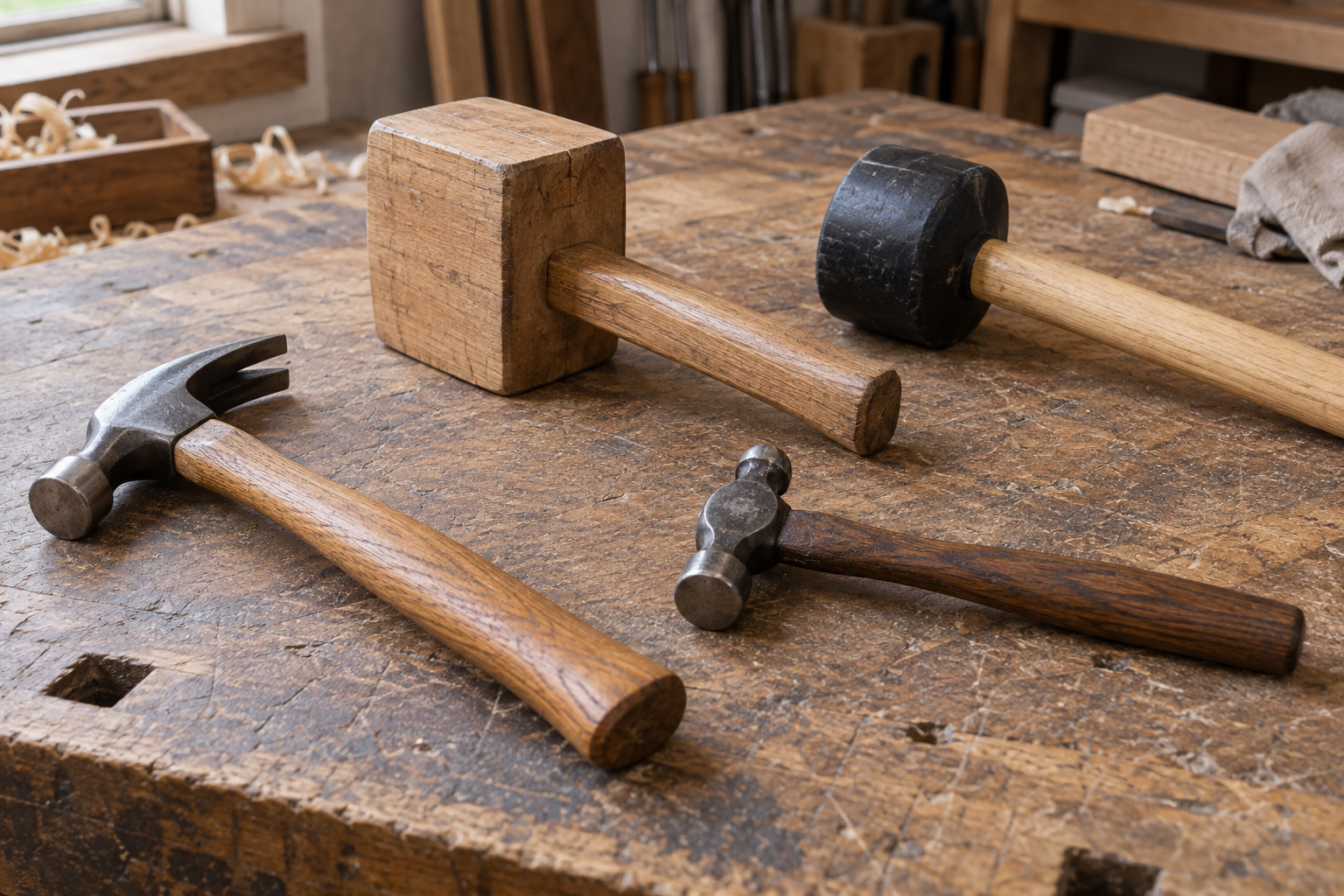
AI-generated editorial illustration of woodworking hammers mallets

The short answer For most woodworking joints, a rubber mallet is the better buy. It is inexpensive, easy to control, and gentle enough for seating dowels, mortise-and-tenon joints, loose-fitting splines, and cabinet parts without leaving obvious marks. A dead-blow hammer is the better specialist tool when you need more force without a sharp rebound. Its … Read more
How to Choose a Hammer Face Material for Driving Wood Chisels

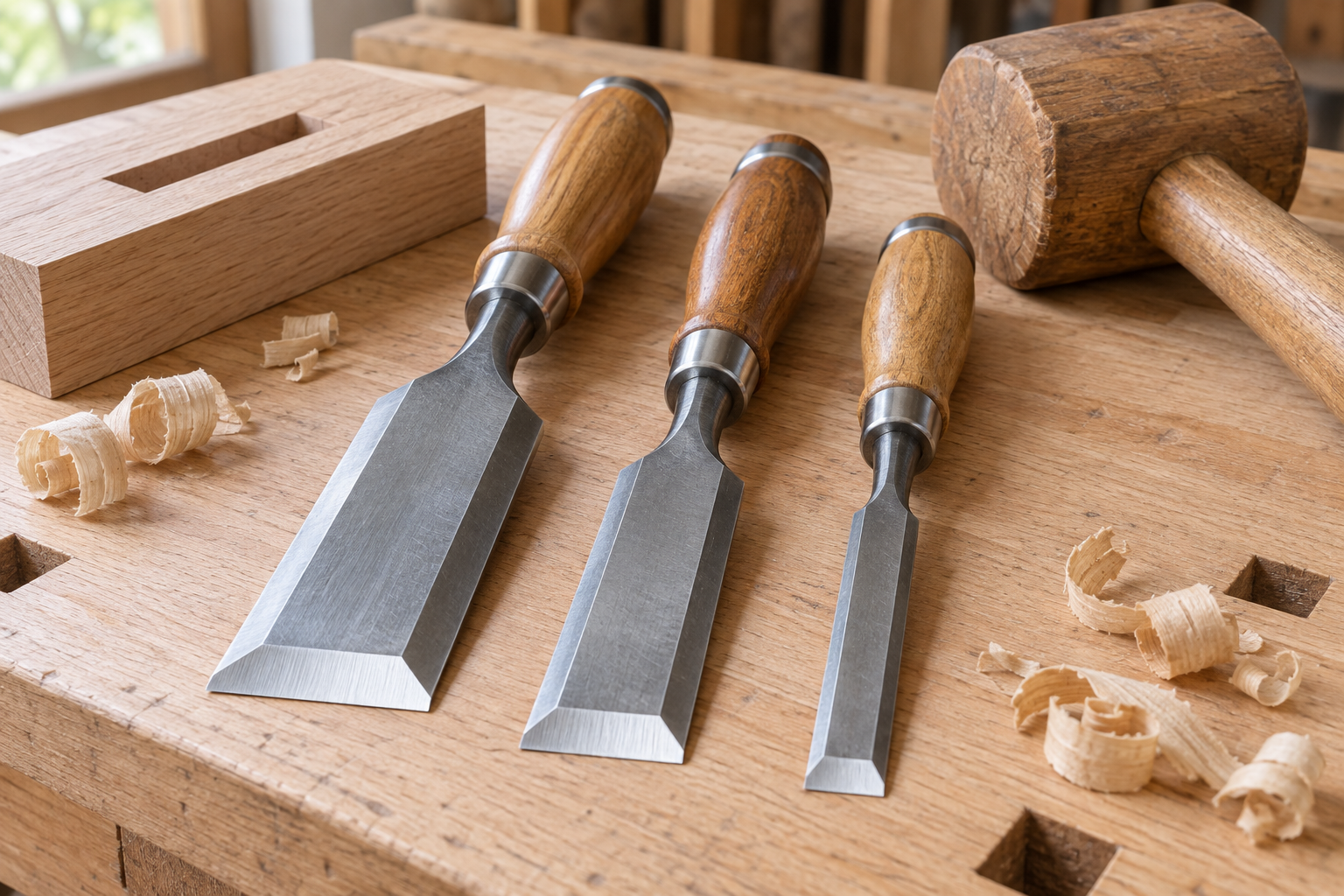
AI-generated editorial illustration of woodworking bench chisels, a wooden mallet and a mortise sample.

When you drive a wood chisel, the hammer face affects more than comfort. It controls how much force reaches the chisel, how quickly the handle and socket wear, and what happens when you miss. The right material depends on whether you are paring delicate joinery, chopping mortises, or using a chisel as a general-purpose demolition … Read more

Best Ball-Peen Hammer for Shaping Sheet Metal by Hand

AI-generated editorial illustration of woodworking hammers mallets

For shaping sheet metal by hand, the best ball-peen hammer is usually a 8-ounce hammer with a polished, smoothly rounded ball. It gives enough control to stretch a small area without the heavy dents and fatigue caused by a 16-ounce shop hammer. That recommendation comes with an important limitation: a ball-peen hammer is a stretching … Read more

Best Woodworking Mallet for Chopping Mortises in Oak

AI-generated editorial illustration of woodworking hammers mallets

Chopping mortises in oak is one of the jobs where the wrong mallet makes a good chisel feel useless. Oak resists the cut, rebounds hard, and punishes a tool that is too light, too soft, or poorly balanced. For most hand-cut mortises, the best choice is a heavy wooden joiner’s mallet with a compact head … Read more

Mallet vs Dead-Blow Hammer for Fitting Hardwood Joinery

AI-generated editorial illustration of woodworking hammers mallets

Fitting hardwood joinery is a controlled-force job. You need enough impact to seat a tenon, close a dovetail, or bring a housed joint home, but not enough to bruise the fibers, dent a finished surface, or split a thin component. A mallet and a dead-blow hammer can both work, but they deliver force differently and … Read more

Best Honing Guide for Sharpening Narrow Plane Blades

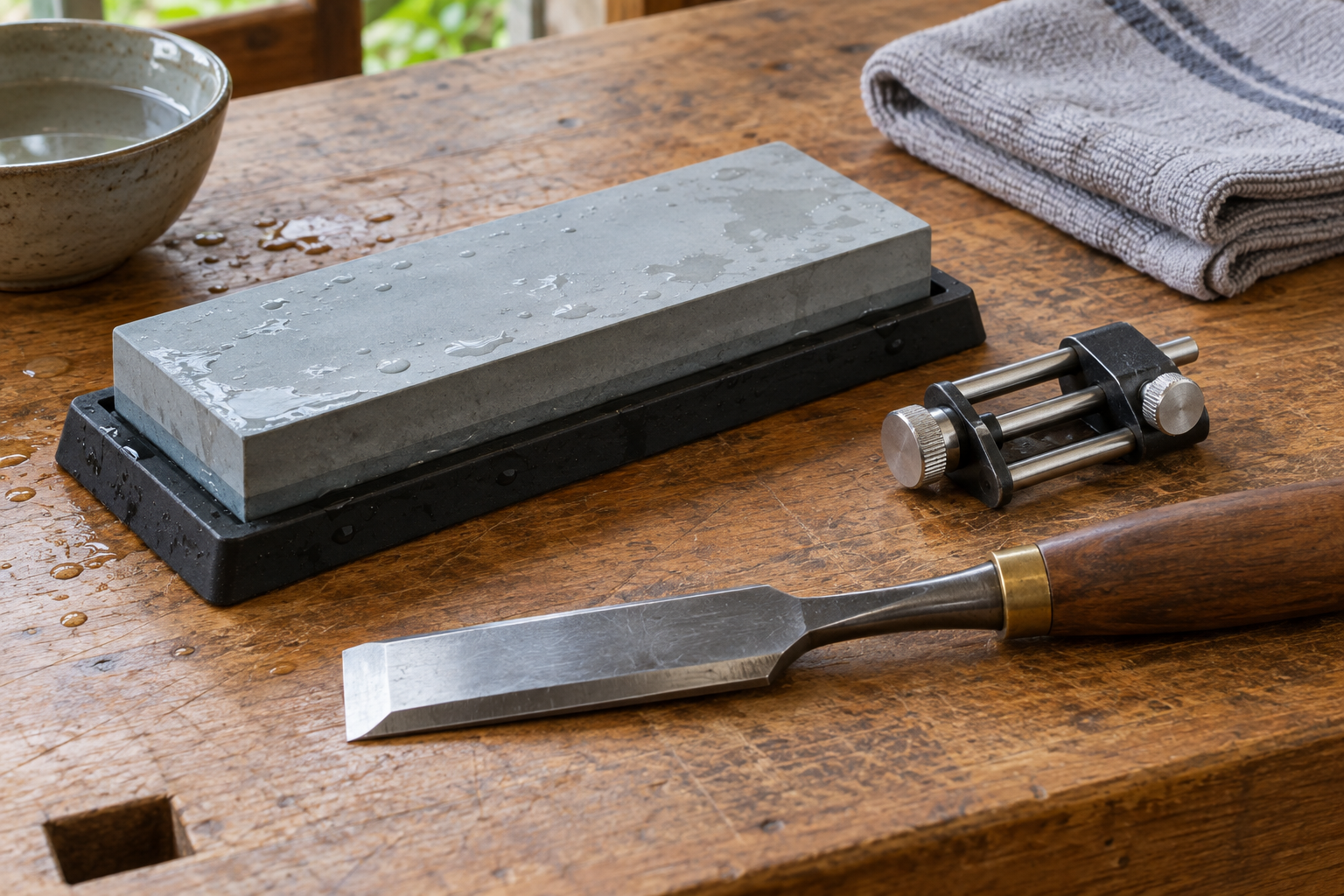
AI-generated editorial illustration of sharpening stone

Best Honing Guide for Sharpening Narrow Plane Blades Narrow plane blades are harder to sharpen consistently than wide irons. A 1/4-inch shoulder-plane iron, small rabbet-plane blade, or narrow chisel can sit awkwardly in a standard honing guide. The guide may not clamp securely, the blade may shift sideways, or the guide’s roller can contact the … Read more

Hollow Grind vs Flat Grind for a Bench Chisel Used in Joinery

AI-generated editorial illustration of woodworking bench chisels, a wooden mallet and a mortise sample.

For a bench chisel used in joinery, the hollow-versus-flat grind choice matters less than the cutting angle, edge quality, and how easily you can maintain it. Still, the two grinds behave differently at the bench. A hollow-ground chisel removes metal quickly during honing and feels nimble at the edge. A flat-ground chisel supports more steel … Read more

Order backlinks