What's inside
As an Amazon Associate I earn from qualifying purchases. This post may contain affiliate links at no extra cost to you.
Our Top Picks
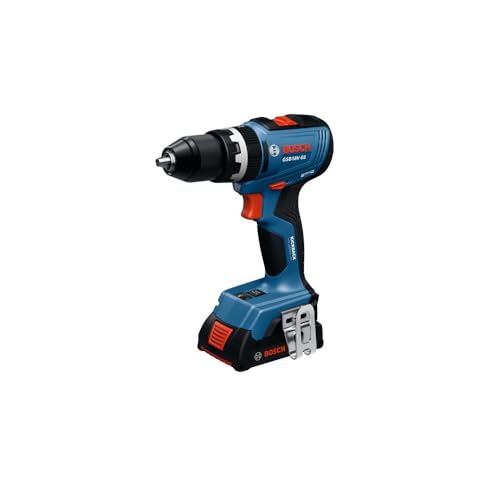 BOSCH GSB18V-65N 1/2 In. Brushless Hammer Drill/Driver6.9" in6.9 x 3 x 8.2 inches2.5 poundsCheck on Amazon

What These Drills Have in Common
The Bosch GSB18V-535 and DeWalt DCD800 are compact, brushless, 18/20-volt hammer drills aimed at the same jobs: drilling wood and metal, driving screws, and making occasional holes in brick or block. Neither is a heavy-duty masonry drill, but both are capable general-purpose tools for construction, maintenance, remodeling, and serious DIY work.
The Bosch is rated at 535 in-lb of torque. The DeWalt is rated at 619 in-lb, giving it a paper advantage of about 16 percent. Those numbers are not directly comparable across brands, but they point to the DCD800 having more reserve when driving long screws or drilling larger holes.
As an Amazon Associate we earn from qualifying purchases at no extra cost to you.


Both use a 1/2-inch keyless chuck, two-speed gearboxes, brushless motors, adjustable clutches, and hammer-drill modes. Bare-tool prices and kit contents change frequently, so compare the included battery size before treating one deal as cheaper.
Bosch GSB18V-535 vs DeWalt DCD800 Specifications
| Feature | Bosch GSB18V-535 | DeWalt DCD800 |
|---|---|---|
| Platform | 18V Bosch Professional | 20V MAX (18V nominal) |
| Motor | Brushless | Brushless |
| Maximum torque | 535 in-lb | 619 in-lb |
| Chuck capacity | 1/2 inch | 1/2 inch |
| High-speed no-load speed | Up to 1,900 rpm | Up to 2,000 rpm |
| Hammer speed | Up to about 28,500 bpm | Up to about 34,000 bpm |
| Special feature | KickBack Control and electronic protection | Three-position LED light and compact head |
Exact weight, length, and runtime depend on the battery. A compact 2.0Ah pack makes either tool easier to handle than a 5.0Ah pack, but gives up endurance. Check the manufacturer’s current specifications if size is critical, because regional kits and updated versions can differ.
Size and Handling
The DCD800’s main advantage is its short head. DeWalt designed it as a compact replacement for the popular DCD791/DCD796 generation, and its short front-to-back length is useful between studs, inside cabinets, and under joists. Its three-LED ring also throws more useful light around the chuck than a single light mounted below the trigger.
The Bosch is also compact and feels balanced with a small battery. Its handle has the typical Bosch Professional shape: relatively narrow through the grip, with good control when working overhead. The Bosch’s electronic KickBack Control is valuable when a large bit catches. It can shut the motor down before the tool twists hard against your wrist.
That protection is not a substitute for holding the drill correctly. A 2-9/16-inch self-feed bit can still produce a sudden reaction, especially in knotty lumber. Use the auxiliary handle when drilling large holes, and do not defeat the protection system just to prevent nuisance shutdowns.
Drilling and Driving Performance
For ordinary screwdriving, the two drills are close. Either handles cabinet screws, construction screws, and most deck work when fitted with a suitable battery and bit. The DeWalt has a little more top-end speed and torque, which helps when boring through framing lumber with spade bits or augers.
The Bosch’s 535 in-lb rating is still plenty for typical home repair. If your work consists of 3-inch screws, pilot holes, furniture assembly, and holes under 1 inch in wood, the extra DeWalt capacity will rarely change the job. A sharp bit and the correct gearbox matter more than a modest torque difference.
For metal, use the low gear for larger holes and cutting fluid for anything beyond thin sheet metal. Neither drill should be used to force a dull bit through steel. Overheating the bit creates more load, which overheats the motor and can trigger electronic protection or shorten battery life.
Both tools can drill masonry in hammer mode, but that feature is best treated as a convenience. They work for a few holes in brick or block with a quality carbide masonry bit. Repeated holes, hard concrete, or holes larger than roughly 1/2 inch are better handled by a dedicated cordless SDS-plus rotary hammer. A hammer drill’s vibration is comparatively inefficient and can burn through batteries quickly.
Battery Platform and Value
Platform ownership should drive this decision. Bosch 18V batteries work across Bosch’s Professional cordless tools, while DeWalt 20V MAX batteries fit its large cordless lineup. Do not buy a bare tool solely because it is cheaper if you then need a battery, charger, and case.
For a new user, a kit with a compact battery and charger is usually the better starting point. If you already own several DeWalt packs, the DCD800 is the practical choice even if the Bosch has a lower sale price. The same applies to Bosch owners who want to avoid maintaining a second battery system. When comparing kits, look for a Bosch 18V brushless drill kit or a DeWalt DCD800 drill kit that includes at least a 2.0Ah battery.
Which One Should You Buy?
Choose the DeWalt DCD800 if you regularly drill large holes in wood, want the shortest practical tool, value the three-LED work light, or already own DeWalt batteries. Its extra output is useful, but its compact size is the stronger everyday advantage.
Choose the Bosch GSB18V-535 if it is substantially cheaper, you already use Bosch 18V tools, or you place a high value on KickBack Control. It has enough performance for most household, cabinet, trim, and light construction work. The cheaper option is entirely sensible when the price difference is large and your work does not involve frequent large-hole drilling.
Whichever model you choose, budget for good bits. A premium drill bit set for wood, metal, and masonry will improve results more than moving from one of these drills to the other. Keep the chuck clean, remove the battery before clearing a jammed bit, and let the motor cool after demanding runs. Those habits prevent the common failures: slipping chucks, overheated bits, stalled motors, and batteries drained before the job is finished.