What's inside
As an Amazon Associate I earn from qualifying purchases. This post may contain affiliate links at no extra cost to you.
Our Top Picks
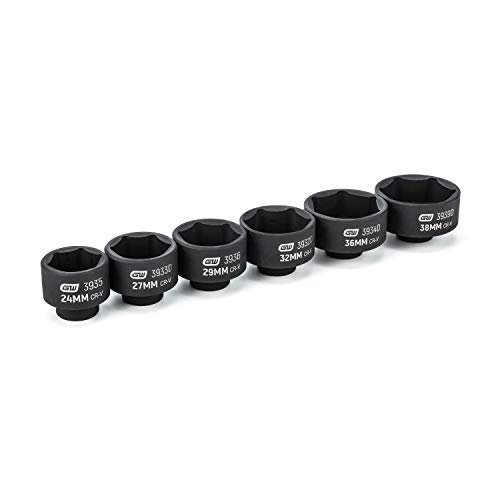 GEARWRENCH 6 Pc. Oil Canister Socket Set Service6 Piece Set6 x 5.18 x 2 inches1.9 poundsCheck on Amazon


Best Oil Filter Socket Set: The Right Fit Depends on Your Filter Housing
The best oil filter socket set is one that matches the exact outside profile of your vehicle’s filter housing, uses a drive size compatible with your torque wrench, and includes the sizes you actually need—not simply the most sockets in the box. For frequent work across several vehicles, choose a well-marked aluminum or steel set with broad metric coverage; for one vehicle, a single correctly sized socket is often the smarter buy.
Shortlist by Situation
- One vehicle, occasional changes: Buy the exact-size, 64 mm-style or other matching cap socket specified for your housing. A single socket avoids paying for sizes you may never use.
- Several vehicles or shared garage use: Choose a metric set with clearly labeled sockets and multiple drive adapters, then verify that its size range covers the housings in your vehicle list.
- Frequent professional use: Favor accurately machined, thick-walled sockets with a 3/8-inch or 1/2-inch drive, depending on the required torque and access. A smaller, durable set can be more useful than a large assortment of questionable fit.
- Tight access around the filter: Check socket depth and outside diameter. A socket can have the correct engagement profile but still be too bulky to fit between the housing and nearby components.
What’s in a Set—and What the Numbers Mean
Oil-filter cap sockets fit the fluted or faceted end of a reusable filter housing. They are different from strap wrenches and universal gripping tools, which wrap around or grip the outside of a spin-on filter. The right cap socket spreads force across the housing’s intended engagement points; an incorrect one may slip, round the housing, or crack a plastic cap.
As an Amazon Associate we earn from qualifying purchases at no extra cost to you.


Most sets are described by socket outside diameter in millimeters, but the number of flutes or points and the shape of the engagement matter too. Two sockets with the same listed diameter are not necessarily interchangeable. Before buying, compare the tool maker’s fitment information with the vehicle’s service information or the housing manufacturer’s specifications.
| Set type | Typical coverage | Drive compatibility | Typical construction | Best suited to |
|---|---|---|---|---|
| Single cap socket | 1 specified size, often about 64–86 mm depending on application | Commonly 3/8-inch or 1/2-inch square drive | Aluminum or steel | One known vehicle and occasional service |
| Compact metric set | About 8–15 sockets, often spanning roughly 64–100 mm | Usually one drive size; some include adapters | Aluminum, steel, or a mix | DIY maintenance on a few vehicles |
| Broad assortment | About 20–30 sockets, with overlapping metric sizes and some specialty profiles | May include 3/8-inch and 1/2-inch options | Typically aluminum or steel; case often included | Shared garages or varied vehicle coverage |
| Heavy-duty individual socket | 1 specified size and profile | Often 1/2-inch drive for higher-torque applications | Thicker-wall steel is common | Repeated service on a known application |
These are common category ranges, not a promise that any particular kit contains those sizes. Set contents vary, so check the included-size list and drive details rather than relying on the words “universal” or “professional.”
Choose by Fit, Drive, and Material
1. Match the housing before matching the vehicle name
Start with the exact year, make, model, engine, and filter-housing version. A model may use different engines or housings in the same year, and replacement housings can differ from factory parts. If the filter is exposed, count the flutes or points and measure the engagement diameter carefully. A digital caliper can help, but measure the housing’s wrenching profile—not the broadest outside dimension of the cap. Verify the result against a reliable fitment chart or service specification.
If a housing has already been replaced, its manufacturer and part number may be more useful than the vehicle’s original configuration. Never force a socket that rocks, catches only on corners, or will not seat fully.
2. Pick the drive that suits the job
A 3/8-inch drive is compact and convenient for many passenger-car housings. A 1/2-inch drive can suit larger sockets or applications with higher specified tightening torque, but the drive size alone does not tell you how much force to apply. Use the vehicle or housing maker’s torque specification and a torque wrench where required. Avoid using an impact wrench on a plastic filter cap unless its manufacturer explicitly permits it; impact can damage the cap even when the socket fits.
3. Decide between aluminum and steel
Aluminum sockets are light and resist rust, making them practical for occasional maintenance. Their engagement edges can deform if the socket is a poor fit or is repeatedly overloaded. Steel sockets are heavier and generally better suited to frequent use, but can corrode if stored wet and may be bulkier. In either material, accurate machining and a full-depth fit matter more than a “heavy-duty” label.
Comparison: Broad Kit or Exact-Fit Socket?
| Buying choice | Up-front cost | Fit risk | Storage and ownership trade-off |
|---|---|---|---|
| Exact-fit single socket | Usually lower | Low once the housing profile is confirmed | Simple to store; does not cover a different vehicle |
| Compact set | Moderate | Depends on size range and profile accuracy | Useful flexibility without a large case of rarely used tools |
| Large assortment | Usually higher | More chances of finding a size, but not a guarantee of correct profile | Needs more storage; duplicates and unused sockets add bulk |
As a simple coverage check, list every vehicle you plan to service and count how many distinct housing profiles it requires. If a household has three vehicles but only one uses a cartridge-style housing, a single matching socket plus a suitable tool for the other filter types may be more economical than buying a large cap-socket assortment. A set is worthwhile when its extra included profiles match actual vehicles you maintain.
Use and Care: Prevent the Most Common Damage
- Clean the housing first. Grit can stop the socket from seating fully and concentrate force on the cap’s edges.
- Seat it squarely. Confirm that the socket reaches the engagement features evenly before applying force.
- Loosen and tighten with control. Use a hand ratchet or breaker bar for removal and follow the specified tightening procedure. Do not treat removal effort as a tightening specification.
- Inspect the tool after slipping. Rounded or burred engagement edges are a warning that fit, alignment, or force was wrong. Retire a damaged socket rather than risking the next housing.
- Wipe and store dry. Oil residue attracts dirt; moisture can corrode steel sockets and make size markings harder to read. Keep the set organized so the correct size is easy to identify next time.
For a plastic housing, the housing itself is often the vulnerable part—not the socket. A socket that is slightly loose, used at an angle, or driven with an impact tool can cause expensive damage. If a housing is cracked, heavily rounded, or stuck beyond what the service procedure allows, stop rather than escalating force.
Bottom Line
For a single vehicle, buy the exact-profile socket and drive size required by its filter housing. For several vehicles, choose a compact or broad metric set only after confirming that its listed sizes and profiles cover those applications. Prioritize full engagement, accurate fit, and readable size markings over socket count; those details make filter changes easier and help protect the housing.