What's inside
As an Amazon Associate I earn from qualifying purchases. This post may contain affiliate links at no extra cost to you.
The best oboes for beginners are usually a reliable plastic student model—especially the Yamaha YOB-241 or Fox Renard 333—rather than an inexpensive unknown-brand instrument, because dependable keywork, easy repair, and stable response matter more than decorative wood.
As an Amazon Associate we earn from qualifying purchases at no extra cost to you.


Our Top Picks


Quick picks for different beginner situations
| Situation | Best fit | Why it makes sense | Typical 2026 market cost |
|---|---|---|---|
| First instrument, lowest sensible purchase cost | Yamaha YOB-241 | ABS resin body, conservative student keywork, predictable response | $2,000–$3,000 new; less used |
| Frequent practice and a more substantial student instrument | Fox Renard 333 | Durable synthetic body, established repair support, comfortable student layout | $2,800–$4,000 new; less used |
| School program or uncertain long-term commitment | Rental from a specialist woodwind shop | Lower initial outlay and access to a replacement if faults develop | Often $70–$150 per month, depending on region and coverage |
| Student likely to continue for several years | Higher-grade student or intermediate model | More refined key adjustment, ergonomics, and resale value | About $4,000–$8,000 new |
Prices vary substantially by country, tax, condition, and whether a professional setup is included. A used instrument inspected and adjusted by an oboe specialist can be a better purchase than a cheaper new instrument with poor tolerances.
What makes an oboe beginner-friendly?
Student keywork
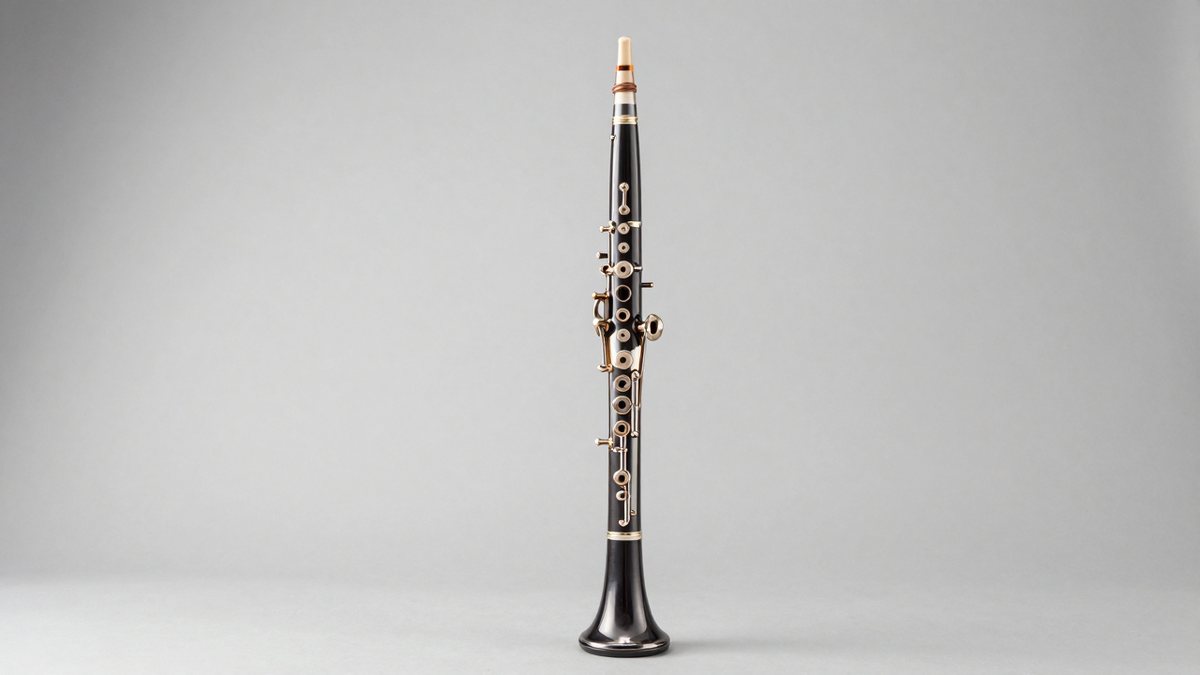
Beginner oboes generally use a full Conservatory system, giving the player the fingering options needed for school band, private lessons, and standard orchestral repertoire. Look for octave keys that operate cleanly, stable adjustment screws, comfortable palm keys, and a low B-flat mechanism that does not feel loose.
Some inexpensive instruments imitate the appearance of a professional oboe but use soft metal, poorly fitted rods, or inconsistent pad placement. These problems can make notes leak, stick, or fail to speak. A beginner may assume the problem is technique when the instrument actually needs specialist adjustment.
Body material: resin versus grenadilla wood
ABS resin or another durable synthetic body is normally the safest first choice. It tolerates changes in temperature and humidity better than grenadilla wood, is less vulnerable to cracking, and is usually cheaper to maintain. That makes it particularly suitable for children, school lockers, outdoor rehearsals, and players who cannot control room humidity.
Wooden oboes can offer a familiar professional feel and may be appropriate for an advanced student, but they need more careful acclimatization. A cold wooden oboe should not be suddenly exposed to a hot room, and it should be swabbed after every playing session. A beginner buying wood should budget for a case humidifier and periodic inspection.
Response and resistance
A useful beginner oboe should speak without excessive force across the middle register, respond reasonably well at soft dynamics, and not have a large difference in resistance between low and high notes. Reed quality has a major effect, so compare instruments using a properly made reed rather than the disposable reed sometimes included in a package.
Yamaha YOB-241 versus Fox Renard 333
| Feature | Yamaha YOB-241 | Fox Renard 333 |
|---|---|---|
| Body | Durable synthetic resin | Durable synthetic material |
| Intended level | Beginner and school use | Beginner through developing student |
| Key system | Full Conservatory student keywork | Full Conservatory student keywork |
| Weather tolerance | High, though pads and mechanisms still need care | High, though rapid temperature changes should be avoided |
| Repair considerations | Widely recognized design and generally accessible service | Strong specialist repair familiarity, particularly in North America |
| Best reason to choose it | Predictable first oboe with relatively simple ownership | More substantial-feeling student option with a long educational lifespan |
The YOB-241 is the simpler recommendation when the player is completely new, travels between school and home, or needs a durable instrument. The Renard 333 is attractive when the student expects to practice frequently and wants an instrument that can remain useful beyond the first lessons.
Other models and when to consider them
Yamaha YOB-441
The YOB-441 is a step above Yamaha’s most basic student model and is aimed at players who need more refined mechanism and response. It is worth considering when a teacher expects several years of study, but it may be unnecessary for a child who is still deciding whether to continue.
Howarth student oboes
Howarth’s student-oriented oboes are worth investigating where the brand has a nearby dealer or repair network. The practical advantage is often the quality of the setup and ongoing advice rather than a single headline specification. Ask whether the quoted price includes adjustment, a suitable reed, and a follow-up inspection.
Used professional oboes
A used wooden professional oboe can look like a bargain, but it is not automatically beginner-friendly. Worn pads, loose rods, cracked wood, tired springs, and an outdated key configuration can produce a large repair bill. Only buy one after an oboe specialist examines it, and obtain a written estimate for immediate work.
Rental versus buying: a worked ownership calculation
Suppose a specialist rental costs $100 per month and includes basic maintenance. Renting for one school year of nine months costs about $900. Buying a $2,500 synthetic student oboe and keeping it for four years costs roughly $52 per month before repairs and resale:
($2,500 purchase price − $1,000 estimated resale value) ÷ 48 months = about $31 per month
Adding two routine service visits at $180 each raises the effective cost to about $38 per month. Buying therefore becomes financially attractive if the player continues for several years, while renting is sensible when commitment is uncertain, the child may change instruments, or the rental includes damage protection and easy exchanges.
Check the rental agreement carefully. Some plans apply part of the payment toward purchase; others do not. Confirm who pays for lost parts, accidental damage, cracked wooden bodies, pad replacement, and shipping.
Accessories that actually matter
- Two or three good reeds: Reeds are consumables. A beginner may use one for several weeks or damage one in a day, depending on practice and handling.
- Reed case: A ventilated case protects reeds better than leaving them in a sealed plastic tube while wet.
- Cleaning swab: Use an oboe-specific swab that passes safely through the bore. Never force a bulky swab through a tight joint.
- Cork grease: Apply sparingly to joint corks; excessive grease can make joints unstable and attract dirt.
- Music stand and metronome: These often improve practice more than cosmetic upgrades to the instrument.
- Spare octave-key or tenon supplies: Useful eventually, but not a reason to buy a large accessory bundle on day one.
A package should include a case, swab, cleaning materials, and at least one usable reed. Treat a free tuner, stand, or large reed assortment as a bonus rather than evidence that the oboe itself is good.
Maintenance and repair realities
After every session, remove moisture from the bore and tone holes, wipe fingerprints from the keywork, and leave the case open briefly if the instrument is damp. Assemble joints with gentle pressure and a slight twisting motion; never rock them sideways, which can bend posts or damage corks.
The parts most likely to need attention are pads, corks, springs, adjustment screws, and the small linkage mechanisms around the octave keys. A minor leak can make several notes unreliable. Have a specialist inspect a new or used oboe after the first few weeks, then arrange professional maintenance at least annually for regular players.
Do not attempt to tighten random screws, bend keys, or glue loose pads. Oboe mechanisms are compact and interdependent, and a small amateur adjustment can turn a minor service job into an expensive repair.
Buying checklist
- Ask a teacher or oboe specialist to play and inspect the instrument.
- Test low notes, octave transitions, and soft attacks, not just loud middle-register notes.
- Check that every key returns promptly and that rods do not rattle.
- Inspect synthetic bodies for damaged tenons and wooden bodies for cracks or repaired splits.
- Confirm the exact warranty, return period, adjustment coverage, and local repair options.
- Budget separately for reeds, annual servicing, and possible shipping to a specialist.
Bottom line
For most new players, the Yamaha YOB-241 is the safest all-purpose starting point, while the Fox Renard 333 is a stronger choice for a committed student who expects frequent practice. Rent first when the playing commitment is uncertain. Whichever route you choose, prioritize accurate keywork, a professional setup, durable construction, and accessible repair over an attractive finish or an oversized accessory package.