What's inside
As an Amazon Associate I earn from qualifying purchases. This post may contain affiliate links at no extra cost to you.
Our Top Picks


Quick answer
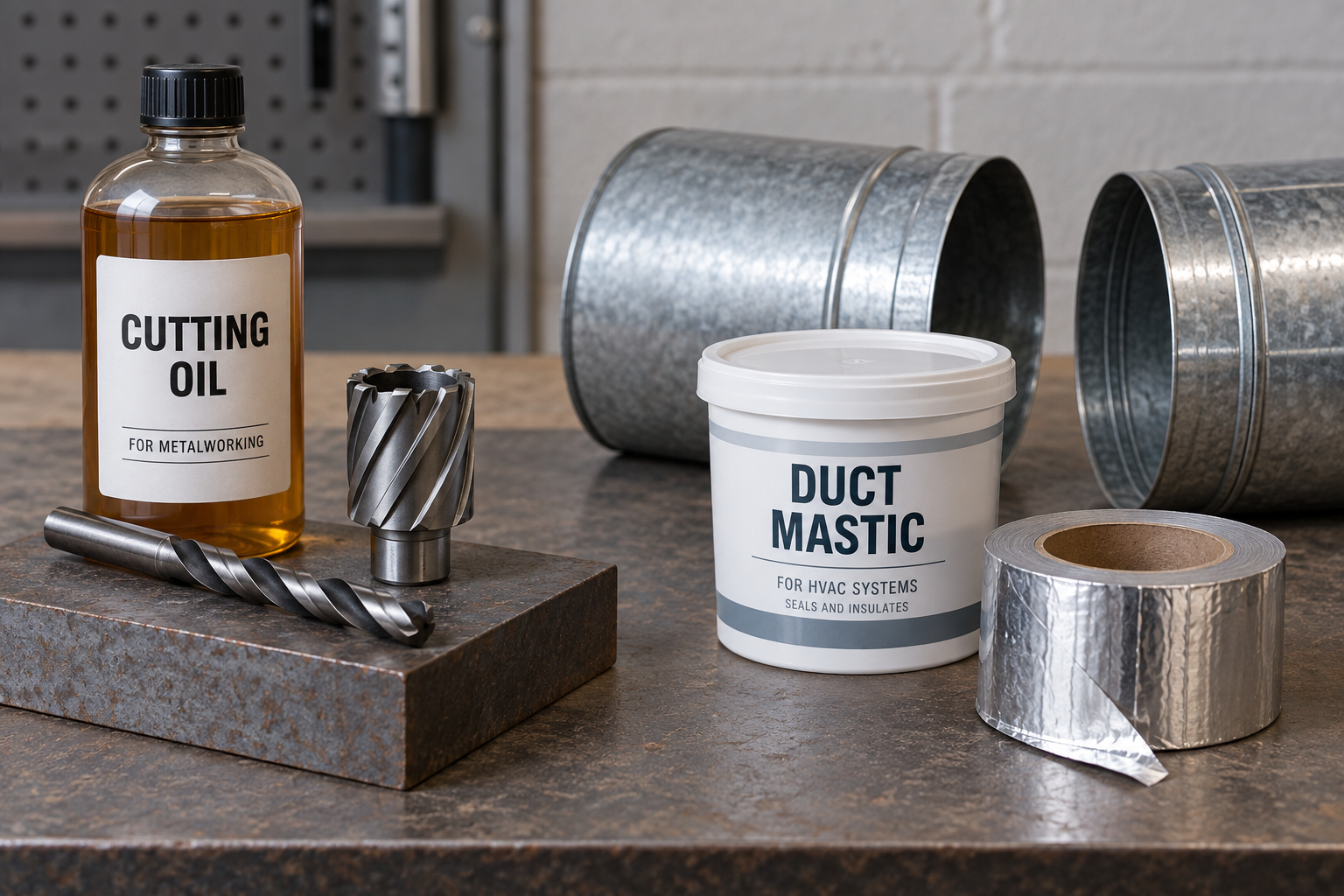
For annular cutters drilling mild steel, use a cutting fluid made for metal cutting—not ordinary motor oil or a general-purpose spray lubricant. For most shop and site work, a sulfurized cutting oil is a dependable choice: it clings to the teeth, reduces heat and friction, and helps carry chips out of the cut. A water-miscible cutting fluid can be a better fit for repeated production work with a coolant-fed machine, but it needs mixing and upkeep.
Use the fluid the cutter and drill manufacturer allows, and follow the fluid label for application and handling. If you are making only a few holes in mild steel, a small bottle of suitable cutting oil is usually more practical than buying a coolant system or a large pail.
As an Amazon Associate we earn from qualifying purchases at no extra cost to you.


Cutting-fluid options compared
| Fluid type | Best fit | Advantages | Trade-offs |
|---|---|---|---|
| Sulfurized cutting oil | Hand-applied work and general-purpose magnetic drills | Clings well; good boundary lubrication under heavy tooth load | Messy; can leave residue and a strong odor |
| Water-miscible cutting fluid | Repeated work with a coolant-fed setup | Can remove heat effectively; easy to apply as a circulating coolant | Requires correct dilution, clean equipment, and fluid maintenance |
| Light cutting oil | Occasional holes and cleaner work areas | Easy to apply and clean up; often less heavy than sulfurized oil | May not protect as well during a long, demanding cut |
| Dry cutting | Only when the cutter or process specifically permits it | No fluid to buy or clean up | More heat and wear; chips can weld to the teeth and ruin the cutter |
What to buy for typical mild-steel work
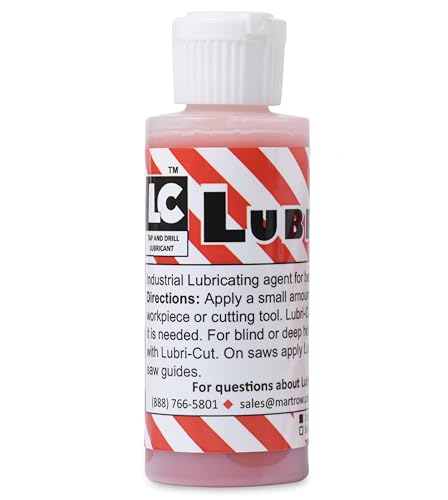
A sulfurized cutting oil is the safest default when you apply fluid by hand. It stays on the cutting edge better than a thin household oil and provides lubrication where the annular cutter’s teeth meet the steel. Look for a product labeled for metal cutting or drilling, and check that it is suitable for the material and application. A sulfurized metal-cutting oil is a practical choice for a portable magnetic drill that does not have a recirculating coolant system.
For a shop drilling many holes, a compatible water-miscible metalworking fluid may be more economical and easier to deliver continuously. It works only if the machine can supply coolant where the cutter needs it. Follow the manufacturer’s mixing ratio rather than guessing: an overly weak mix may not protect the cut, while a stronger-than-directed mix can create residue, skin irritation, or disposal problems. Use a water-miscible metalworking fluid when the machine and job suit it, not simply because it is water-based.
Thin, general-purpose cutting oil can be enough for a few shallow holes in mild steel if the cutter maker permits it and you keep the cut lubricated. It is less costly and easier to clean than a heavy oil. For thick plate, a large cutter, or a long cut, choose a product intended for heavier metal-cutting duty instead of assuming any spray lubricant will do.
How to apply fluid and avoid a failed cut
Secure the work, set the cutter and pilot pin correctly, and apply fluid to the teeth and cutting area before starting. Keep the teeth wet through the cut. With a coolant-fed drill, make sure coolant actually reaches the cutter; a full reservoir is no help if a blocked passage leaves the teeth dry. Do not pour fluid onto electrical parts or use a flood method that conflicts with the drill’s instructions.
Use steady feed pressure. Forcing the drill can overload the teeth, stall the machine, or make the cutter chatter. Too little feed can also be a problem: the teeth rub instead of cutting, generating heat and wearing quickly. Let the cutter make a continuous chip rather than polishing the surface. Clear packed chips when the cut demands it, following the drill’s procedure and keeping hands away from the cutter.
Heat is a useful warning, but do not wait for smoke. A cutter that squeals, produces blue chips, or stops making a clean ring of chips may be running too hot, feeding poorly, or working with worn teeth. Stop, let the tool settle, check chip clearance and lubrication, and inspect the cutter. Continuing to push can blunt the teeth or cause a tooth to break. Keep hot chips and the cut slug under control; both can cause burns, and a loose slug can drop when the cut completes.
Common mistakes and when cheaper is fine
Do not substitute penetrating oil, motor oil, or an aerosol lubricant just because it is nearby. Those products are not necessarily formulated to lubricate a heavily loaded cutting edge. Dry drilling is also a poor way to save a small amount of fluid: excess heat shortens cutter life and raises the chance of welded chips or a rough, oversized hole. If the cutter instructions permit dry use for a particular application, follow those instructions rather than applying a blanket rule.
For two or three holes in ordinary mild-steel plate, a small container of suitable cutting oil is usually sufficient. You do not need a large drum, mixing station, or automatic coolant system. Step up to a maintained water-miscible system when hole volume, heat control, or cleanup justifies the extra setup. Store fluids according to the label, avoid prolonged skin contact, and collect used fluid and oily rags for disposal under local rules.
Finally, match the lubricant to the cutter and machine—not just the steel. Stainless steel, aluminum, and other materials can call for different fluids and cutting practices. For mild steel, a properly applied metal-cutting oil is a straightforward, low-cost way to protect the cutter and get a clean hole without overcomplicating the job.