What's inside
As an Amazon Associate I earn from qualifying purchases. This post may contain affiliate links at no extra cost to you.
Installing a few hinges is easy. Installing hundreds of hinge screws in hardwood is a battery, clutch, bit, and fatigue test. The best tool for the job is usually a compact brushless drill driver with a real mechanical clutch—not an impact driver and not a full-size hammer drill.
For most cabinet, furniture, and door-hardware work, a 12V or compact 18V drill driver gives the best control. It should accept a 1/4-inch hex bit holder, have a two-speed gearbox, and offer a clutch with enough low settings to stop before the screw strips or the hinge pulls out of alignment. A 12V brushless drill driver kit is the sensible starting point if the screws are small and the pilot holes are prepared correctly.
As an Amazon Associate we earn from qualifying purchases at no extra cost to you.


Our Top Picks
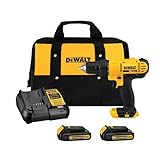
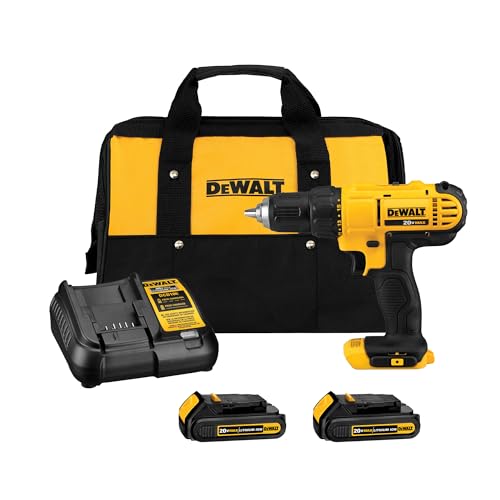
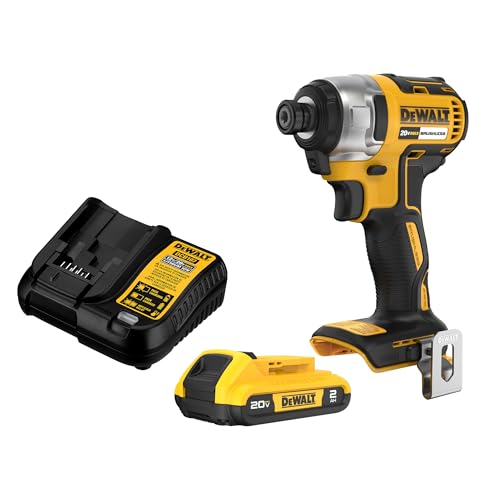
 DEWALT 20V MAX Cordless Drill and Impact DriverOne Size15.06 x 6.4 x 9.88 inches3.6 poundsCheck on Amazon
 ATOMIC 20-Volt Lithium-Ion Cordless Compact 1/2 in. Drill/DriverOne Size7.97 x 2.49 x 7.97 inches0 PoundsCheck on Amazon

What the Job Demands
Hardwood creates more resistance than softwood, but the main problem is not maximum torque. It is repeating the same operation without damaging screw heads, hinge plates, or the wood. Hundreds of screws also magnify small ergonomic problems. A tool that feels fine for 20 screws can become tiring after 200.
Most hinge screws are No. 6 or No. 8, often between 1 and 1-1/4 inches long. They need a correctly sized driver bit and, in hardwood, a pilot hole close to the screw’s root diameter. For a typical No. 8 screw, a 1/8-inch pilot bit is a useful starting point, although the exact size should match the screw and species of wood. The pilot hole should be at least as deep as the screw, and slightly deeper if the hole will collect chips.
Without a pilot hole, the screw may split the hinge stile, snap near the head, or require enough torque to overpower the clutch. Even if it does not break, driving directly into dense oak, maple, or beech can push the hinge out of position.
Drill Driver Options Compared
| Tool type | Best use | Advantages | Drawbacks |
|---|---|---|---|
| 12V compact drill driver | Small hinge screws and repeated cabinet work | Light, narrow, easy clutch control, less wrist fatigue | Less reserve torque; smaller batteries may need charging |
| Compact 18V brushless drill driver | Hardwood doors, long screws, and mixed jobs | More runtime and torque without being excessively large | Heavier and easier to overtighten screws |
| Full-size 18V drill driver | Large structural or construction work | Strong, long runtime, broad accessory compatibility | Bulky for hinge work; tiring and less precise |
| Impact driver | Occasional stubborn screws or large fasteners | High torque and good screw-driving speed | No conventional clutch; impact action can strip heads and damage hinges |
The Best Choice for Most Users
A compact brushless 12V drill driver is the best dedicated hinge-screw tool when the work is repetitive and the screws are modest in size. Its lower weight matters more than headline torque. Look for a tool under roughly 2.5 pounds with its battery installed, a two-speed selector, a 3/8-inch or 1/2-inch chuck, and a clutch with clearly defined settings.
Use the low-speed range for starting screws and the clutch at a low or medium setting. The right setting depends on the screw, wood, and hinge, so test on scrap or an unseen hinge hole first. The goal is for the clutch to slip just as the screw head reaches the hinge surface. If the head sits proud, increase the setting slightly. If the hinge flexes, the head strips, or the screw keeps turning after it is seated, reduce it.
A compact 18V model is the better buy if you are working on heavy doors, driving 1-1/2-inch screws, or already own batteries in that system. Choose a compact 18V brushless drill driver rather than a large construction drill. It will handle hardwood with more margin, but use that margin carefully: extra torque makes it easier to strip a Phillips recess or bury a screw below the hinge leaf.
Why an Impact Driver Is Usually Wrong
An impact driver can install hinge screws quickly, but speed is not the same as control. Most impact drivers do not have a useful torque-limiting clutch. Their pulsing action can cam a bit out of a Phillips screw, enlarge the recess, or mark a painted hinge. It can also snap small screws when the pilot hole is undersized.
An impact driver is reasonable for removing damaged or over-tightened screws, or for occasional heavy hinge work when you already own one. For hundreds of visible hardware screws, a drill driver with a clutch is the safer and more consistent choice. If you do use an impact driver, use a quality impact-rated bit, the lowest practical speed, and stop before the screw is fully seated.
Bits, Batteries, and Accessories
Bit quality has a greater effect on results than a small difference in motor power. Use a fresh, correctly sized Phillips or square-drive bit. A magnetic 1/4-inch hex holder with a short bit makes bit changes fast, while a long bit can flex and slip. Keep several spare bits available; a worn bit wastes time and damages screw heads.
For repetitive work, a magnetic impact-rated bit holder and a set of matching driver bits are worthwhile even if you are using a drill driver. Use a separate countersink or pilot bit if the hinge holes need cleaning. Do not use the drill’s clutch to control a pilot bit; drill the hole cleanly, clear the chips, then switch to the driver bit.
For battery choice, a 2.0Ah pack keeps a compact tool light and is generally enough for a day of hinge installation when you have two batteries. A 4.0Ah pack lasts longer but adds noticeable weight. Two smaller packs are often more comfortable than one large pack. If the job includes drilling hundreds of pilot holes as well as driving screws, carry a spare charged battery and let hot packs cool before charging.
A Repeatable Installation Method
Mark every hinge position before driving anything. Clamp or hold the hinge firmly, drill the pilot hole through the hinge hole, and keep the drill square to the surface. For production work, a simple depth stop or tape flag prevents drilling too deep. Drive the first screw only partway, install the remaining screws, then snug them in stages.
Do not use the drill to force a misaligned hinge into place. If the screw will not start straight, back it out, clean the hole, and correct the hinge position. When the clutch slips consistently at the same setting, the process is ready for repetition. A driver with a belt hook, work light, and comfortable trigger is preferable to a more powerful tool with poor balance.
When the Cheaper Tool Is Enough
A basic brushed 12V drill driver can handle this job if you are installing only a few dozen screws, already own the battery platform, or are working in softer hardwood with properly drilled pilots. Brushless construction improves efficiency and usually provides better runtime, but it does not make up for a wrong bit or poor technique.
For several hundred screws, however, the lighter compact brushless model is worth paying for. The practical gains are reduced hand fatigue, smoother low-speed control, less heat, and better battery endurance. Spend money first on the right size tool, spare battery, pilot-bit setup, and quality driver bits; maximum torque is the least important specification here.