What's inside
As an Amazon Associate I earn from qualifying purchases. This post may contain affiliate links at no extra cost to you.
Accurate dowel holes in hardwood depend on more than the bit. A brad-point bit helps locate the center and cut a clean rim, but a drill that wanders, a poorly supported workpiece, or drilling too deep can still spoil the joint. For most home woodworkers, a sharp, standard-length brad-point set is the sensible buy. Spend more when you need repeatable depth, frequent use, or cleaner results in especially hard stock.
As an Amazon Associate we earn from qualifying purchases at no extra cost to you.

Our Top Picks

What makes a brad-point bit suitable
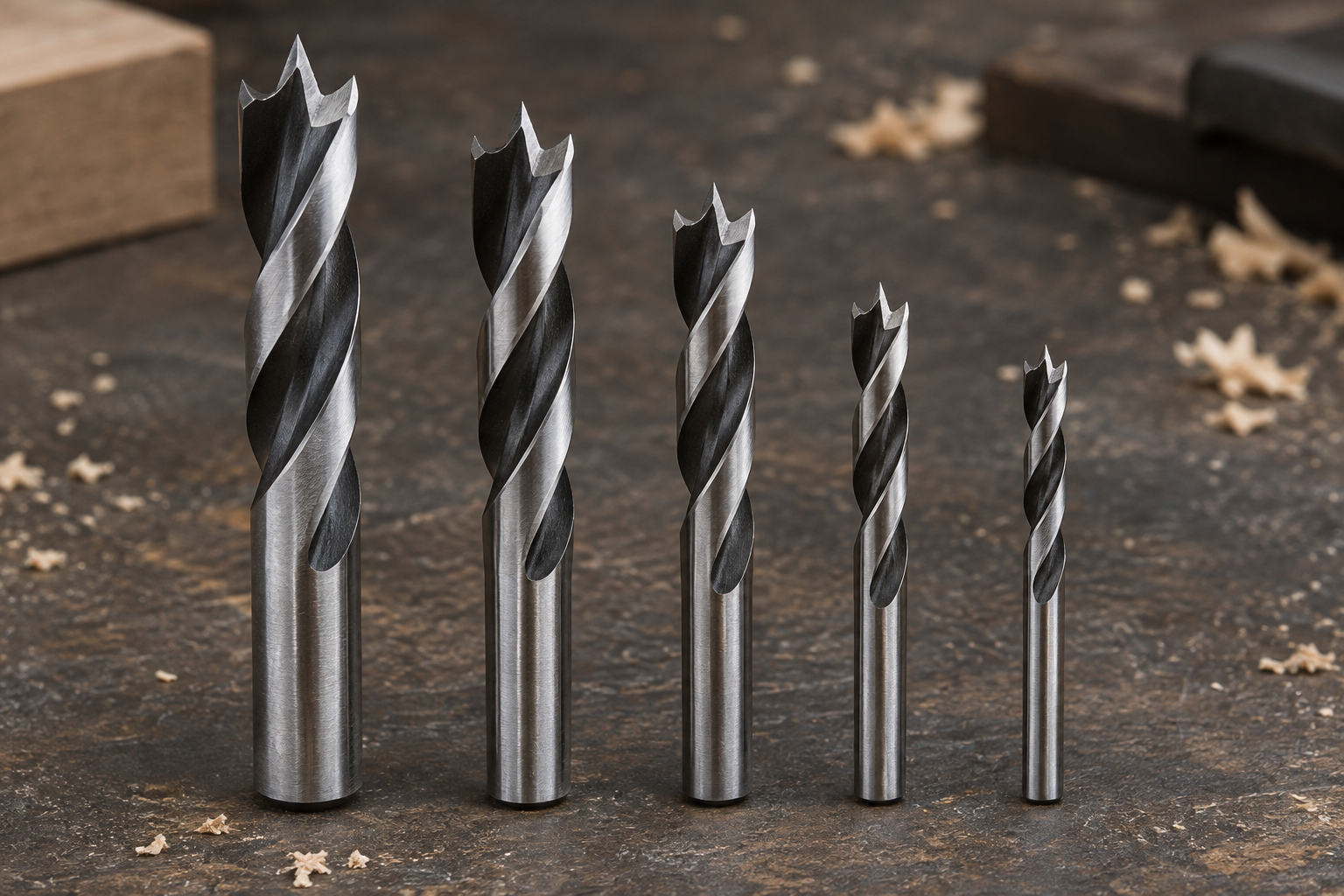
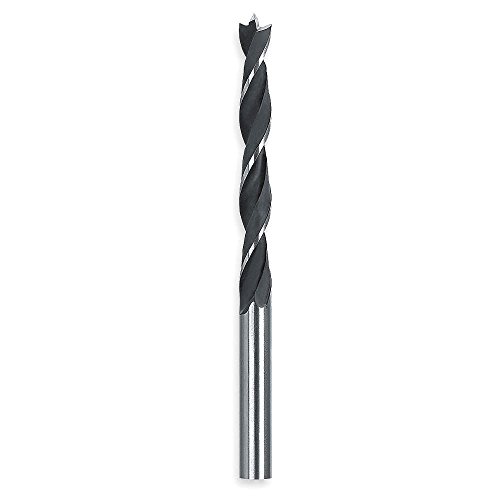
A brad-point bit has a sharp center spur that locates the hole and outer spurs that score the perimeter before the cutting edges remove material. That layout is useful for dowel holes because it reduces the tendency to skate across a board and can leave a cleaner entry than a general-purpose twist bit. It does not guarantee a perfectly placed hole: the spur can still drift on rough, figured, or angled grain.
For common dowels, match the bit to the dowel’s actual diameter, not just its label. A nominal 3/8-inch dowel may be slightly undersized, and a tight hole can prevent glue from escaping. If possible, test the fit in offcuts. The dowel should go in with firm hand pressure, not require hammering. A hole that is too loose weakens the joint; one that is too tight can split the receiving piece or trap the dowel before it seats.
A set or a single bit?
If you only need one dowel size, a single quality bit is often a better purchase than a large assortment. Choose a set when you regularly work across several common sizes or want matching bits for pilot and clearance holes. Cheap sets can be adequate for occasional work in pine or softer hardwoods, but inconsistent sharpening and poor sizing become more noticeable when several holes must line up.
| Option | Best for | Trade-off |
|---|---|---|
| Budget brad-point set | Occasional holes and mixed sizes | May need slower drilling; edge life and size consistency vary |
| Quality single bit | Repeated holes in one dowel size | Costs more per bit if you later need several sizes |
| Long brad-point bit | Deep holes or access past an obstruction | More prone to flex and wandering than a short bit |
| Drill-press setup | Repeatable, square holes in batches | Requires a drill press and careful workholding |
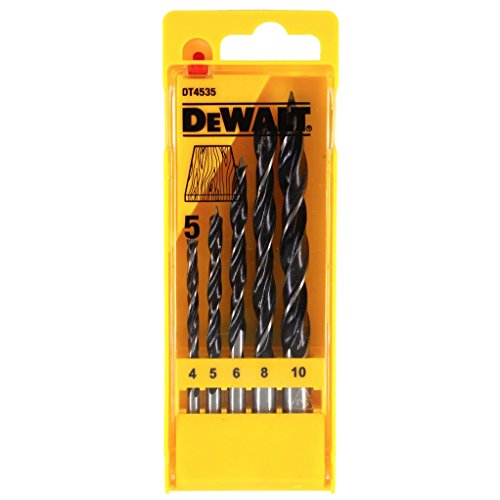
For general furniture and repair work, compare a brad-point drill bit set for wood with buying the exact size individually. Favor clearly marked diameters, a useful range, and a case that keeps bits from knocking against each other. A set with more bits is not automatically better if the sizes you use are inaccurate or the edges arrive dull.
Choose length and quality for the job
Standard-length bits are usually the right choice for dowel joinery. A shorter bit is stiffer and easier to keep on line, while a long bit is helpful only when the workpiece or fixture requires extra reach. Long bits can flex under side pressure, leaving a hole that is not square or that exits off-center. Do not choose extra length simply because it seems more versatile.
Brad-point bits are commonly sold in high-speed steel (HSS), with some premium options using improved coatings or higher-grade steel. For ordinary shop use, a sharp HSS bit is generally enough. Coatings can reduce friction, but they do not compensate for a poorly ground cutting edge or careless feed. If you drill hardwood every week, a better-finished bit that holds an edge can save time; if you make a few joints a year, a budget set may be entirely reasonable. Look at brad-point bits for hardwood and check whether the advertised sizes include the one you need before comparing price.
How to drill accurate dowel holes
Mark the center carefully and use a square or drilling guide to keep the bit perpendicular. A drill press is the easiest way to repeat square holes, but a hand drill can work well with a simple guide block. Clamp the stock: holding it by hand is a common cause of tilted holes, torn edges, and injury. For a face-to-edge joint, transfer hole positions with a doweling jig or another registration method rather than relying on separate ruler measurements.
Set a depth stop, or wrap tape around the bit as a visual marker. Drill slightly deeper than half the dowel’s length so glue has room to collect; for a 1-inch dowel, a hole about 9/16 inch deep is a practical starting point on each side. Confirm that the combined hole depth leaves enough room for the dowel and glue without forcing the joint open. Drill at a moderate speed with steady pressure. Pull the bit out periodically to clear chips, especially in a deep hole. Packed chips can overheat the bit, burn the wood, or make the hole shallower than expected.
Keep the bit sharp. A dull brad point often burns hardwood, takes excessive force, or tears fibers around the rim instead of cutting cleanly. If the bit begins to squeal or the hole darkens, stop and inspect it rather than pushing harder. Avoid rocking the drill to widen a tight hole; that makes the hole oval and weakens alignment. If a test dowel is too tight, check the bit diameter, dowel size, and chip clearance before changing the whole setup.
What to buy
For one or two dowel sizes and occasional projects, buy a sharp, standard-length HSS brad-point bit in the exact diameter you need. A low-cost set is a fair choice for light use if you can test the critical sizes before drilling finished parts. For frequent hardwood joinery or batches of matching holes, prioritize consistent sizing, cleanly ground spurs, and a drill-press or jig setup; those choices usually improve accuracy more than buying the longest or most heavily marketed bit. If you need several sizes for ongoing shop work, a metric and imperial brad-point set can reduce mid-project trips, but verify the dowel fit with scrap first.