What's inside
As an Amazon Associate I earn from qualifying purchases. This post may contain affiliate links at no extra cost to you.
Our Top Picks
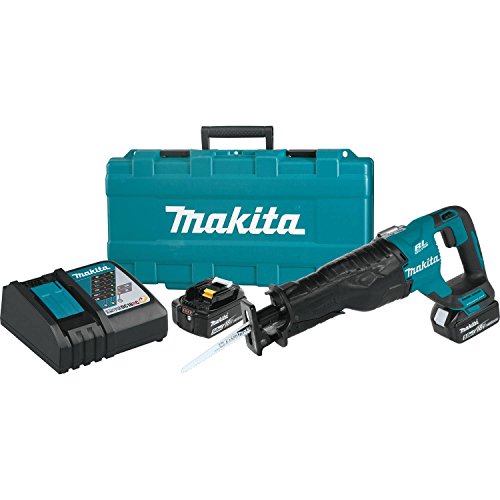
 Makita XRJ05Z 18V LXT Lithium-Ion Brushless Cordless ReciproNo Size4.61 x 18.94 x 8.62 Inches7.8 poundsCheck on Amazon
 Makita XRJ04Z 18V LXT Lithium-Ion Cordless Recipro SawOne Size4.69 x 20.5 x 8.62 inches8 poundsCheck on Amazon
Short answer: the blade matters more than the saw
There is no dependable published, apples-to-apples test showing that the Milwaukee M18 FUEL reciprocating saw or Makita XRJ08 cuts cast iron faster. The result depends heavily on the particular saw generation, battery, blade and pipe condition. If you already own either platform, buy a suitable carbide-grit blade, secure the work and make a short test cut before choosing a saw on speed alone.
For cast iron, “faster” is not the only useful measure. A blade that cuts a little slower but stays cool and lasts through the job can beat a fast-cutting blade that loses its edge or wanders. Cast iron is brittle, too: poor support or forcing the saw can crack a fitting or send the blade binding.
As an Amazon Associate we earn from qualifying purchases at no extra cost to you.


What you are comparing
Milwaukee sells multiple generations of M18 FUEL reciprocating saws, and their length, balance and performance are not identical. Makita’s XRJ08 is a brushless 18V LXT reciprocating saw. Neither tool is a cast-iron specialist; both are general-purpose saws whose performance changes with battery capacity and blade choice.
Use a fully charged, healthy battery in each saw. A compact pack may save weight, but a larger pack can sustain demanding cuts better. Compare the exact Milwaukee model you intend to buy against the XRJ08, rather than assuming every M18 FUEL version behaves the same.
| Factor | Milwaukee M18 FUEL | Makita XRJ08 |
|---|---|---|
| Platform | M18 battery system; model generation affects handling and cutting behavior | 18V LXT battery system |
| Cast-iron result | Depends on blade, battery, pipe and technique; no fair universal speed winner | Depends on the same conditions; not inherently faster just because it is brushless |
| Best reason to choose | You already own M18 batteries, or the specific saw fits your balance and service needs | You already own LXT batteries, or the XRJ08’s handling suits your work |
| Likely bottleneck | Blade wear, vibration, poor pipe support or a weak battery | Blade wear, vibration, poor pipe support or a weak battery |
Choose the blade before judging the saw
For cast iron, look for a carbide-grit or other manufacturer-approved blade specifically rated for cast iron or abrasive masonry-like materials. Do not assume a standard wood-cutting blade or ordinary bi-metal demolition blade is suitable. A toothed blade can snag, lose teeth or make an erratic cut; the right abrasive blade removes material by grinding, so it may feel slower but is generally better suited to the job.
Blade length matters. The blade needs enough reach to pass through the pipe wall without the shoe or nose binding against the work. Keep as much of the shoe against a stable surface as the cut allows. For a wall or pipe that is difficult to access, a shorter blade can be easier to control, provided it reaches all the way through. Compare carbide-grit reciprocating saw blades for cast iron by material rating and length, not just pack count.
How to make a fair speed test
If speed will decide the purchase, time both saws on the same kind of scrap or a comparable section of pipe. Use new, identical blades, the same battery capacity and charge level, and the same cut location and pipe support. Record the time from blade contact to full separation, but also note whether either saw stalls, wanders, overheats or uses markedly more battery. One cut is a rough comparison, not a lab result; blade condition and small differences in cast iron can skew it.
Start at a controlled speed and let the blade do the work. Pressing harder does not necessarily cut faster: it can increase vibration, heat and blade wear, and may make the blade bind. If the cut slows sharply, stop and check for a worn blade, pinched kerf, loose workpiece or poor blade alignment. Don’t keep leaning on a hot or stalled saw.
Support the pipe and control the hazards
Cast-iron pipe is heavy and brittle. Support both sides of the intended cut so the section cannot drop, twist or pinch the blade when it separates. A pipe clamp or other stable support is preferable to having someone hold the work. Check for water, gas or electrical hazards before cutting, and confirm the pipe is isolated and drained where relevant.
Grinding cast iron creates fine dust and hot particles. Wear eye protection, hearing protection and suitable respiratory protection; keep bystanders clear, and remove combustible material from the spark path. A reciprocating saw is not a good choice if the pipe is under tension, inaccessible, or positioned where a broken section could injure someone. In those cases, change the support plan or use a cutting method better suited to the access and material.
Which one should you buy?
If you own M18 batteries, the Milwaukee is the practical choice unless a direct test of your exact saw and blade shows a reason to switch. The same logic applies to the XRJ08 for someone already invested in Makita LXT. Buying a second battery platform for occasional cast-iron cuts is hard to justify on an unverified speed advantage.
If you are starting from scratch, compare the complete kit price, battery compatibility with other tools, weight and how the saw feels in your hands. The more expensive saw is not automatically the better cast-iron cutter. A suitable blade, secure pipe support and enough battery capacity often matter more than a small difference in advertised stroke specifications. For occasional repair work, a compatible saw in good condition and a proper blade are usually enough; for repeated demolition, check local rental options before paying extra for a platform you do not otherwise need.
Whichever saw you choose, budget for the correct consumable rather than treating any reciprocating blade as interchangeable. A cast-iron-rated reciprocating saw blade is a more useful upgrade than chasing an extra advertised stroke per minute.