What's inside
As an Amazon Associate I earn from qualifying purchases. This post may contain affiliate links at no extra cost to you.
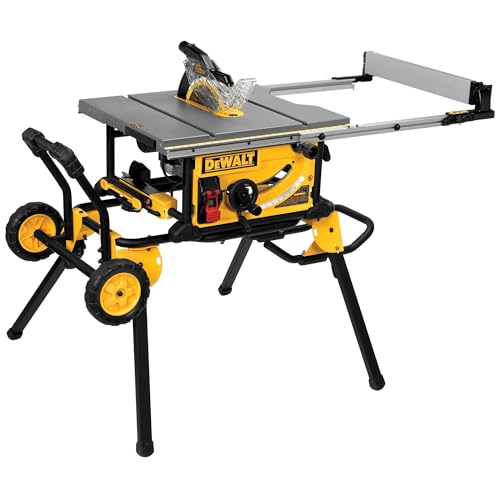
The DeWalt DWE7491RS has the larger rip capacity: 32½ inches to the right of the blade, compared with 25 inches for the Makita 2705. That extra 7½ inches matters if you regularly break down full 4-by-8-foot sheet goods. The Makita can still handle many cabinet and framing jobs, but its shorter fence reach means more cuts require repositioning the work or using another setup.
As an Amazon Associate we earn from qualifying purchases at no extra cost to you.


Our Top Picks
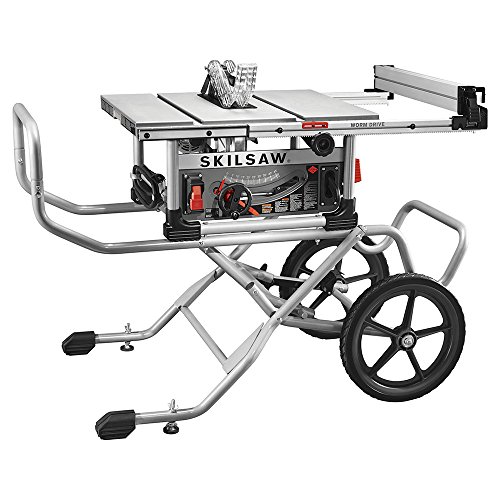 SKIL 10 Inch Heavy Duty Worm Drive Table52.6 x 29.5 x 35 inches52.6 x 29.53 x 35.08 inches94.3 poundsCheck on Amazon

Rip capacity at a glance
| Feature | Makita 2705 | DeWalt DWE7491RS |
|---|---|---|
| Maximum rip to the right | 25 in. | 32½ in. |
| Maximum rip to the left | 11¾ in. | 22 in. |
| Blade diameter | 10 in. | 10 in. |
| Motor rating | 15 amp | 15 amp |
| Stand included | No | Yes; rolling stand |
Specifications are manufacturer-stated capacities; usable clearance can vary with setup and accessories. In practice, the right-side figures are the headline numbers because they determine whether a saw can rip a wide panel in one pass with the fence on the right side of the blade.
What rip capacity means on site
A standard 4-by-8-foot sheet is 48 inches wide. Neither saw can rip it in half in one pass using its fence. But the DWE7491RS can cut a sheet into a 32½-inch strip and a 15½-inch remainder; the Makita’s 25-inch limit leaves a 23-inch remainder. That difference can decide whether a cabinet side or shelving blank comes off at its intended width without an intermediate breakdown cut.
Large sheet goods are awkward on a contractor saw regardless of the fence measurement. A ¾-inch plywood sheet is heavy, flexible and easy to tip or bind if it is unsupported. Use a helper or a panel support, keep the offcut from trapping the blade, and check that the fence is locked parallel to the blade. For a full-sheet breakdown, a track saw or circular saw with a straightedge is often safer and easier to control than balancing the panel on a table saw.
DeWalt’s capacity advantage
The DWE7491RS is the clear pick when wide ripping is routine. Its 32½-inch right capacity and 22-inch left capacity give more options for placing the fence, and the rack-and-pinion fence system makes it straightforward to move and lock across that range. That is useful when switching from narrow framing stock to plywood panels during the same job.
The included rolling stand is another practical difference. It saves a separate stand purchase and makes it easier to move the saw between a truck and a work area. It also adds bulk: the saw and stand need more storage space than a bare saw, and the stand has to be unfolded on reasonably stable ground. A large capacity does not remove the need for infeed and outfeed support; long boards can still lever the saw or wander if they are unsupported.
Where the Makita fits
The Makita 2705’s 25-inch right capacity is enough for many common tasks: ripping dimensional lumber, trimming cabinet parts within that width, and cutting narrower sheet-goods sections. If you mainly work with framing lumber and bring panels down to manageable sizes with a circular saw first, paying for the DeWalt’s extra fence reach may not improve your day-to-day work.
The Makita is sold without a stand, so include the cost and footprint of a compatible stand or workbench in your comparison. That can make the apparent price gap smaller. Its smaller rip capacity is also a real limit, not something an extension table alone fixes: the fence must guide the work at the required distance from the blade. Before buying, check the exact package and current specifications, since included accessories can vary by retailer.
Accuracy and cutting trade-offs
Rip capacity tells you how wide a cut the fence can support; it does not guarantee accuracy or cut quality. Both saws use a 10-inch blade and a 15-amp motor. A dull or poorly suited blade can tear plywood veneer, burn hardwood, or make the saw labor, even when the fence is set correctly. For clean sheet-goods cuts, use a sharp blade intended for the material and support both the sheet and the offcut throughout the cut.
Long, wide rips also expose setup problems. If the fence is out of alignment, the stock can pinch the blade and kick back. Verify alignment and the blade guard and riving-knife setup before work; do not remove safety equipment simply to make a cut easier. Keep hands clear of the blade and use a push stick for narrow stock. Neither saw turns a risky unsupported panel cut into a safe one just by offering more capacity.
Which one to buy
Choose the DeWalt if you often rip plywood, melamine or other panels wider than 25 inches, or if the included rolling stand suits your jobsite. Its 32½-inch capacity is a meaningful working advantage, not a cosmetic spec. Compare current DWE7491RS availability with the cost of any supports you will need.
Choose the Makita if most of your cuts are in lumber or narrower stock, you already have a stable stand, and you can break down full sheets with another tool. The 25-inch limit is workable for plenty of contractors; it simply asks for more planning when a job calls for wide rips. If you are setting up a sheet-goods workflow, compare a track saw and guide-rail setup as well. For full panels, that may be a better first cut than forcing either table saw to do the whole breakdown.