What's inside
As an Amazon Associate I earn from qualifying purchases. This post may contain affiliate links at no extra cost to you.
Our Top Picks
 Milwaukee M18 Fuel Sawzall Brushless Cordless Reciprocating Saw10 x 6 x 4 inches6.8 poundsCheck on Amazon
 Milwaukee 2821-22 18V Li-Ion Brushless Cordless SAWZALL Reciprocating22 x 17 x 6.5 inches6.8 poundsCheck on Amazon


The short answer
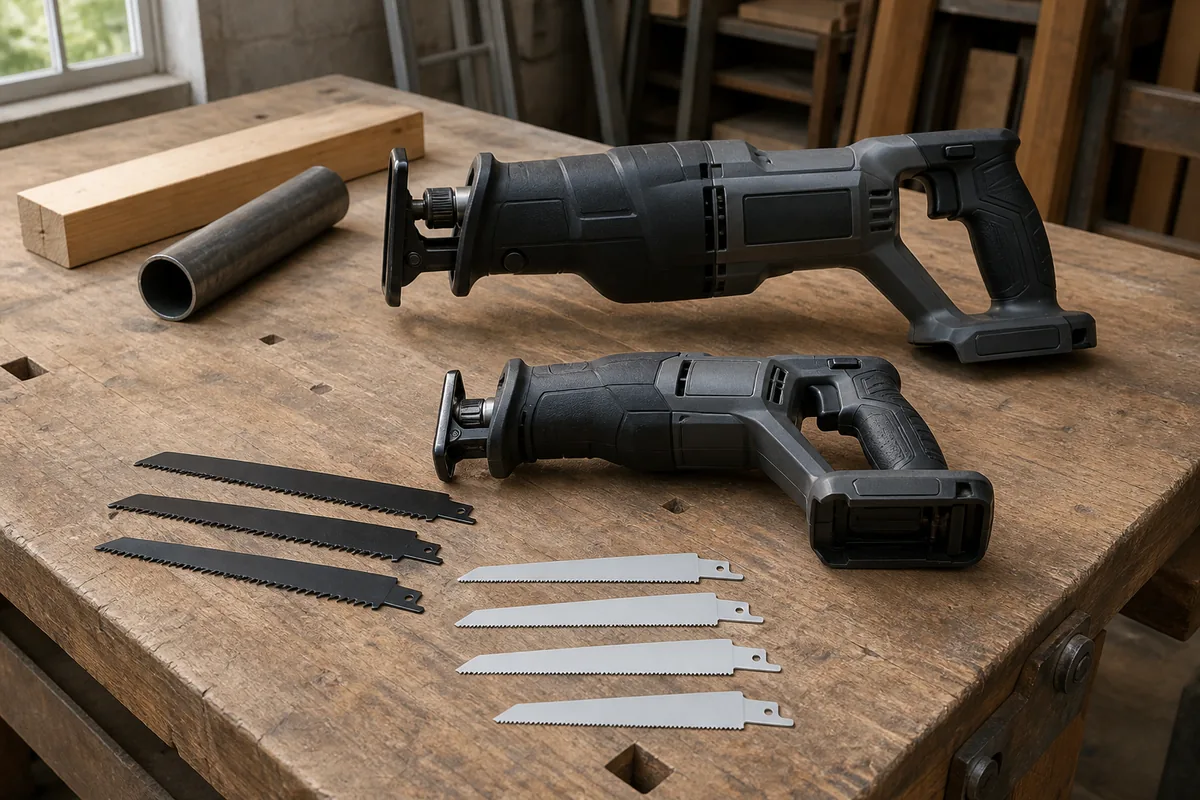
The Milwaukee M18 FUEL reciprocating saw and DeWalt DCS382 are both cordless 18-volt-class saws built for demolition, but their published specifications do not establish that one will cut faster in every material. Milwaukee lists a 1-1/4-inch stroke and up to 3,000 strokes per minute for its M18 FUEL Sawzall. DeWalt lists a 1-1/8-inch stroke and up to 3,000 strokes per minute for the DCS382. That gives Milwaukee more travel per stroke on paper, not a guaranteed time advantage on site.
Blade choice, battery condition, material, and how firmly you control the shoe often matter more than that difference. For frequent, demanding cutting, Milwaukee’s longer stroke is a useful advantage. The DeWalt is a sound choice if you already own compatible batteries and want a capable saw without paying extra for a platform change.
As an Amazon Associate we earn from qualifying purchases at no extra cost to you.


Specifications that matter for demolition
| Feature | Milwaukee M18 FUEL Sawzall | DeWalt DCS382 |
|---|---|---|
| Maximum speed | Up to 3,000 strokes per minute | Up to 3,000 strokes per minute |
| Stroke length | 1-1/4 inches | 1-1/8 inches |
| Action | Orbital action available | Orbital action available |
| Blade change | Keyless clamp | Keyless clamp |
| Best fit | Frequent heavy cutting and M18 users | DeWalt 20V MAX users and general demolition |
Both saws have variable-speed triggers, so the maximum speed is not the whole story. A slow, controlled start helps keep a blade from skating across pipe or sheet metal. Orbital action speeds aggressive cuts in wood, but it is generally the wrong setting for clean metal cuts, where a straight stroke and suitable blade reduce chatter and tooth damage.
Which one cuts faster?
In thick wood, framing lumber, or a wood-and-nail stack, Milwaukee’s longer stroke can move more blade through the cut per cycle. With a sharp demolition blade and a high-output battery, it has the stronger specification-based case for speed. But if the blade is dull, the shoe is not planted, or the battery is near empty, that advantage can disappear. Neither tool can make a short wood blade cut efficiently through a deep stack.
In nail-embedded lumber, use a blade rated for wood with nails rather than a fine-tooth wood blade. If the blade binds, stop and reposition rather than twisting the saw sideways; that can bend or break the blade. A longer blade can reach behind a stud or cut a protruding nail, but excessive blade length also flexes more and makes control harder.
For steel pipe and other metal, there is no reliable winner from stroke length alone. Tooth pitch, blade thickness, pipe-wall thickness, and pressure are decisive. Use a metal-cutting blade and let the teeth do the work; pushing hard creates heat, wears teeth, and can stall the saw. Thin sheet can snag and vibrate, so clamp it or support it close to the cut. For these jobs, compare metal-cutting reciprocating-saw blades by material and tooth count, not just pack price.
Control, comfort, and common failure points
In overhead or cramped work, balance and grip can matter more than a small difference in cutting speed. Both saws are substantial cordless tools, and adding a large battery improves runtime but adds weight. If you expect repeated overhead cuts, handle each saw with the battery size you intend to use; a bare-tool comparison can give a misleading impression.
Typical demolition trouble is familiar: a blade pinches as a section falls, the shoe loses contact and the saw bucks, or a long blade bends when pushed sideways. Keep the shoe against the work, support the offcut, and plan where it will move when the cut finishes. For flush cuts, use a flexible blade and angle it carefully rather than levering the tool against the surface. Eye protection is essential; cutting old material can also release dust or coatings that require appropriate protection and disposal.
Keyless blade clamps save time, but they do not remove the need to check that a blade is seated and locked. Let a hot blade cool before changing it, and remove the battery before clearing debris or inspecting a jam. A jammed blade is not a reason to pull the trigger harder: release the pressure, secure the work, and free it without twisting the blade.
Battery platform and value
If you already own M18 batteries and chargers, the Milwaukee is an easy fit; DeWalt 20V MAX batteries are likewise a strong reason to choose the DCS382. Buying into a second battery system just to gain a modest specification advantage rarely makes sense for occasional repairs. For a first cordless saw, compare kit prices, battery capacity, and warranty terms as well as bare-tool prices. A high-demand saw used for long cuts benefits from a suitable, healthy battery; a small, worn pack can limit sustained performance on either platform.
For occasional pipe cuts, pruning, or a few remodel cuts a year, the DeWalt is fine if it is the better-value option in your battery system. If demolition is a regular part of your work and you often cut thick wood or mixed material, Milwaukee’s longer stroke is a sensible edge, though blade selection and technique still decide the result. Browse Milwaukee M18 FUEL reciprocating saw options and DeWalt DCS382 options with batteries included if you need a complete setup.
A practical buying decision
Choose the Milwaukee if you value the longer stroke, cut demolition material often, and are already invested in M18. Choose the DCS382 if you use DeWalt batteries, find it at a better price, or need a capable general-purpose saw rather than the fastest possible cut. For either one, budget for the right blades: a good demolition blade matched to wood, nails, or metal will make a more noticeable difference than chasing a small theoretical speed advantage.