What's inside
As an Amazon Associate I earn from qualifying purchases. This post may contain affiliate links at no extra cost to you.
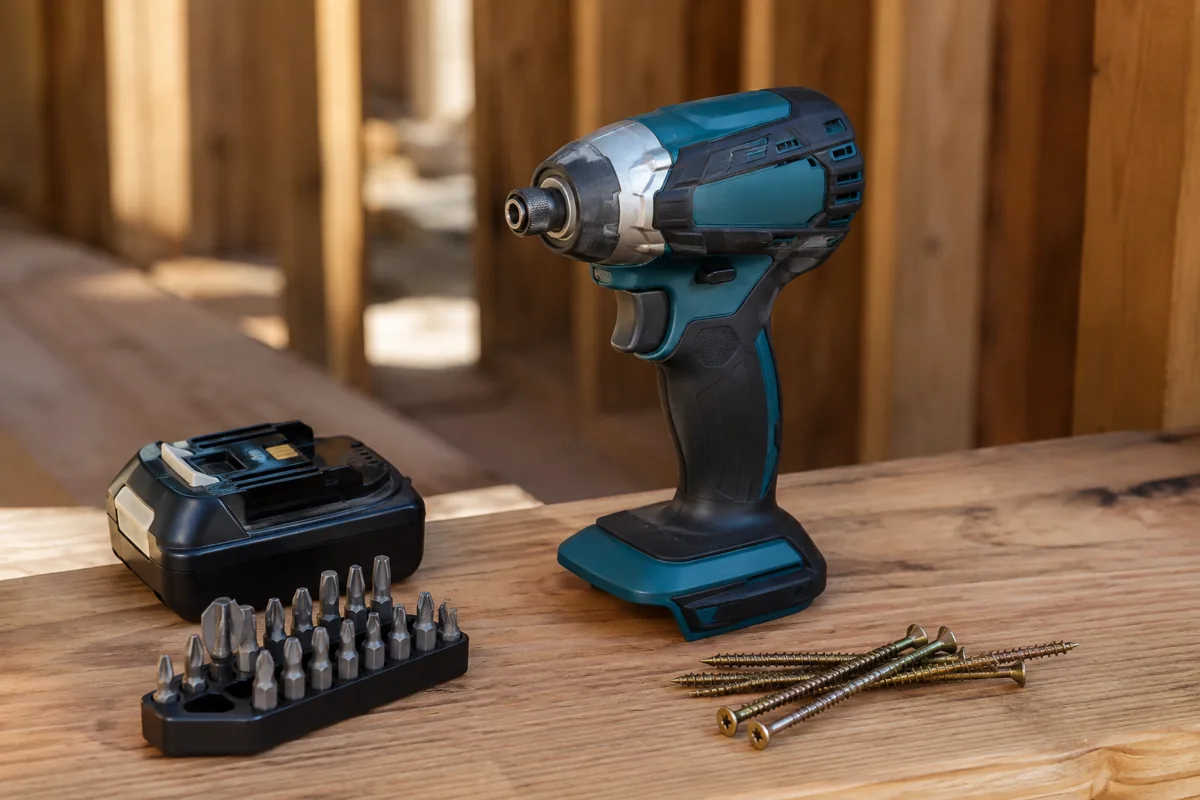
The Ryobi PBLID02 and DeWalt DCF809 are compact, 18V-class brushless impact drivers aimed at everyday fastening. Both can drive construction screws and handle routine drilling with an impact-rated hex-shank bit. The main value question is less about brand reputation than what you already own: the right battery platform can outweigh a modest difference in tool price.
As an Amazon Associate we earn from qualifying purchases at no extra cost to you.


Our Top Picks
 DEWALT 20V MAX Cordless Drill and Impact DriverOne Size15.06 x 6.4 x 9.88 inches3.6 poundsCheck on Amazon


At a glance
| Feature | Ryobi PBLID02 | DeWalt DCF809 |
|---|---|---|
| Platform | Ryobi 18V ONE+ | DeWalt 20V MAX |
| Motor | Brushless | Brushless |
| Maximum torque | About 2,200 in-lb | About 1,700 in-lb |
| Maximum speed | Up to 2,900 rpm | Up to 2,800 rpm |
| Impacts per minute | Up to 4,000 ipm | Up to 3,200 ipm |
| Bare-tool weight | About 2.2 lb | About 2.1 lb |
Specifications are manufacturer-rated maximums; battery choice and the fastener, material, and bit affect real-world results. Check the current package details before buying, since kits and included batteries vary.
Power and control
On paper, Ryobi has the higher torque and impact-rate ratings. That gives it a useful edge when driving long structural screws or repeating heavy fastening tasks, provided you use a suitable battery and sharp, well-fitting bits. It is not a guarantee that every job will finish faster: a poor bit fit, dense wood, or a fastener that is too long can stall either tool or damage the screw head.
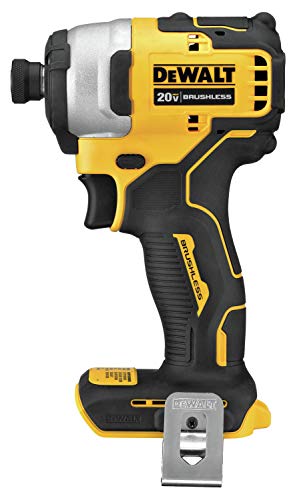
The DeWalt’s lower published torque is still ample for common work: cabinet installation, decking repairs, assembling fixtures, and driving ordinary construction screws. For most homeowners, the difference matters less than managing trigger pressure and choosing the right bit. Neither tool replaces a drill for making clean, controlled holes with standard round-shank bits.
Impact drivers deliver rotational blows, which help with fasteners but can make them less pleasant for delicate work. Start slowly, keep the driver straight, and stop before the head strips or the fastener sinks too far. For small screws, soft wood, or finish hardware, a drill-driver with a clutch offers better control.
Size and handling
These are compact drivers, and their bare-tool weights are close. Add a battery and the difference in working weight depends on the pack you choose. A compact battery is easier overhead and in a cabinet; a larger pack can be more practical for repeated heavy fastening, but adds bulk and may make the tool feel nose-heavy.
Both use a 1/4-inch hex collet for quick bit changes. That is convenient on a ladder, but the bit must be seated securely: a loose bit can wobble, slip, or chew up a screw head. Keep a few spare impact-rated bits nearby, especially when driving into hardwood or using long screws. Standard drill bits with round shanks will not fit the collet.
Battery platform and total cost
If you already own Ryobi ONE+ batteries and a charger, the PBLID02 is often the better value even if its bare-tool price is not the lowest on a particular day. The same applies to the DCF809 if you have DeWalt 20V MAX batteries. Starting from scratch changes the calculation: compare the complete kit price, battery capacity, charger, and warranty rather than comparing bare tools alone.
Battery compatibility is a real commitment. Buying into a new platform for one driver can cost more than the tool itself once you add a battery and charger. If your garage already has compatible packs, look for a bare tool; otherwise, compare Ryobi 18V impact driver kits and DeWalt 20V MAX impact driver kits with equivalent battery sizes.
Do not pay extra just for a larger battery if the tool will mostly drive occasional screws. Conversely, for deck building or other long sessions, a small pack may mean frequent swaps. A second compatible battery can be more useful than a small increase in tool power.
Reliability and work limits
Brushless motors avoid the brush wear found in brushed designs and can use battery power efficiently, but they do not make an impact driver immune to overload. Let the tool work instead of leaning hard into it. Excess pressure can reduce control, overheat the tool, and snap a bit or fastener. If the housing or battery becomes unusually hot, pause and let it cool.
For long, thick structural screws, pilot holes can reduce splitting and strain, particularly near board ends. For nuts and bolts, use impact-rated sockets and the correct adapter; the hex collet is not a direct square-drive anvil. Neither compact driver is the right choice for loosening stubborn automotive fasteners or tightening critical bolts to a specified torque. Use a breaker bar or a torque wrench where the job requires one.
Which should you buy?
Choose the Ryobi PBLID02 if you already own ONE+ batteries, want the higher published torque, or expect frequent heavy screw driving. It is also a sensible buy when the kit is substantially cheaper than an equivalent DeWalt package. For occasional home repairs, the extra rated output is not a reason by itself to replace a working driver.
Choose the DeWalt DCF809 if you are already invested in 20V MAX or find a better-priced kit with the battery and charger you need. Its ratings are enough for the bulk of household and light construction fastening, and its compact size suits close quarters. If you own neither platform, compare current kit prices and local battery availability before deciding; the cheaper complete system is usually the better value.
For a buyer without batteries who expects only light, occasional use, either driver may be more tool than necessary. A basic drill-driver kit can be cheaper and offers a clutch for controlled screw work. Pick an impact driver when you regularly drive larger fasteners, need quick bit changes, or want a compact tool that is less likely to bog down than a drill-driver.