What's inside
- Best Quality Ratchet Wrenches for Durable, Smooth Operation
- Choose by the work, not by tooth count alone
- Specs that make a practical difference
- Which type is right for your shop?
- Reversing mechanisms and build details to inspect
- What wears first—and how to extend service life
- Buying takeaway
- Related Guides
As an Amazon Associate I earn from qualifying purchases. This post may contain affiliate links at no extra cost to you.
Our Top Picks


Best Quality Ratchet Wrenches for Durable, Smooth Operation
For regular shop use, the best quality ratchet wrenches are a well-made combination set with a fine-tooth ratcheting box end, a dependable reversing lever, clearly marked sizes, and a corrosion-resistant finish; choose the tooth count and size range to suit the clearances and fasteners you encounter most.
Choose by the work, not by tooth count alone
A fine-tooth ratchet needs less handle movement before it engages, which helps around brackets, engine bays, and machinery. But a high tooth count does not automatically mean a stronger or longer-lasting wrench. Gear design, pawl engagement, manufacturing quality, and careful use all matter. For stubborn fasteners, a ratcheting wrench is not a substitute for a breaker bar or a properly sized fixed wrench.
As an Amazon Associate we earn from qualifying purchases at no extra cost to you.


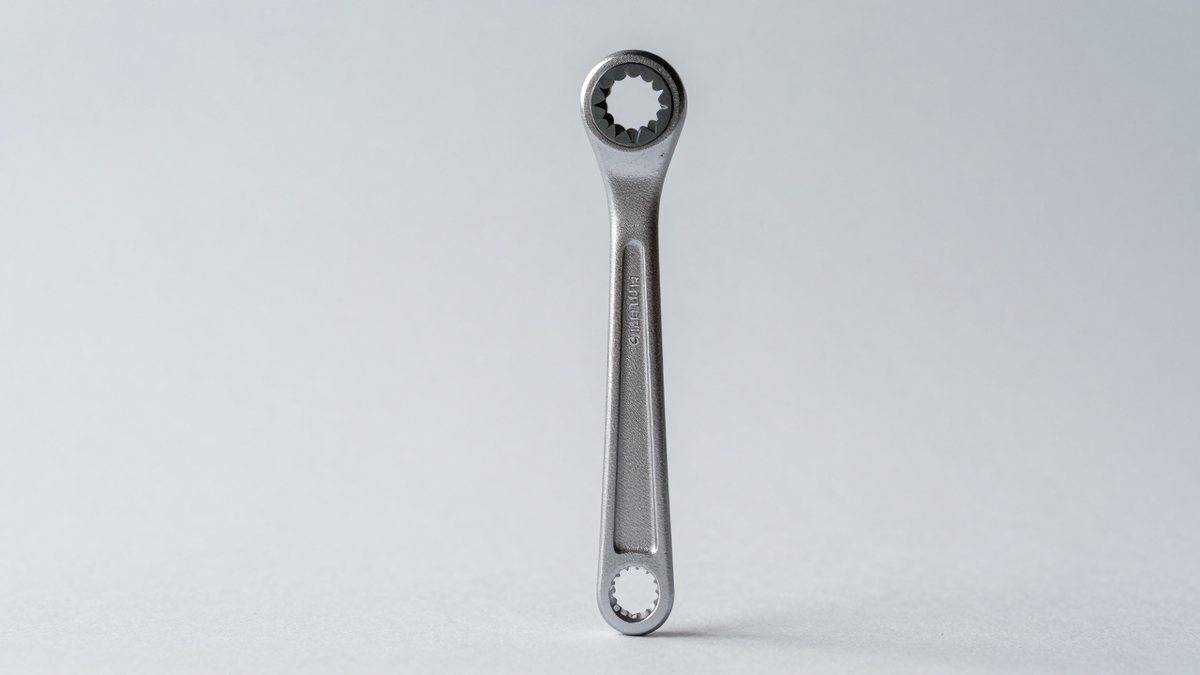
Most combination ratcheting wrenches have an open end on one side and a ratcheting box end on the other. The open end is useful for quick placement and access from the side; the box end grips more sides of a fastener and is generally the better choice when applying torque. Look for a box end shaped to reduce rounding, such as a flank-drive-style profile, and avoid using either end on a fastener that is already badly damaged.
Specs that make a practical difference
| Feature | Common options | What it means in use |
|---|---|---|
| Gear-tooth count | 72 or 90 teeth | About 5° or 4° of handle swing per tooth, respectively, assuming even spacing. A finer mechanism can help in tight access. |
| Typical combination set | 8–19 mm, 12 pieces | Covers many common metric fasteners, though exact sizes included vary by set. |
| Typical compact set | 8–17 mm, 10 pieces | Uses less storage space but may omit larger sizes needed for suspension or machinery work. |
| Common materials | Chrome vanadium steel; some premium lines use other alloy steels | Steel grade is only one factor; heat treatment and gear construction also affect service life. |
| Common finishes | Polished chrome or matte/satin finish | Chrome is easy to wipe clean; a less reflective finish can make the wrench easier to handle under bright lights. |
Tooth-count figures are useful for comparing access, but they do not tell you how much force a wrench can safely take. Manufacturers do not always specify drive strength in a directly comparable way, and a wrench’s allowable torque depends on its design and size. Use the maker’s guidance, keep the wrench square on the fastener, and never add a pipe to lengthen the handle.
Which type is right for your shop?
- Frequent work in cramped spaces: Choose a fine-tooth set, such as a 90-tooth design, with a low-profile reversing lever that is easy to reach. Check that the lever will not snag nearby wiring or fittings.
- General automotive or machinery maintenance: A 72-tooth set with metric sizes around 8–19 mm is a sensible starting point. Add the sizes you use most rather than paying for a large range that will sit unused.
- Occasional home repairs on a budget: A smaller, clearly marked set from an established tool maker can be more useful than a very large set with inconsistent fit or a flimsy case. Prioritize the sizes that match your equipment.
- Work involving both metric and SAE fasteners: Buy a matched metric and SAE set, or two clearly separated trays. Do not force a near-fitting wrench onto a fastener; even a small mismatch can damage its corners.
- High-torque or rough service: Use ratcheting wrenches for speed, then switch to a fixed wrench or socket and breaker bar when the fastener is tight or seized. This protects the ratchet mechanism from shock loads.
Reversing mechanisms and build details to inspect
Reversing systems generally use either a small lever on the head or a mechanism that requires flipping the wrench. A lever is quicker when access is limited, provided it is not so exposed that it changes direction accidentally. Flip-style designs have fewer external controls, but turning the wrench over may be inconvenient in a crowded assembly. Whichever style you choose, the selector should move positively and remain in position.
Before buying, inspect the head for smooth operation in both directions and consistent engagement. Excessive free play, gritty movement, a selector that feels loose, or visible gaps around the mechanism are reasons to choose another set. Confirm that size markings are stamped or deeply engraved and remain legible after ordinary shop wear. A useful case should hold each wrench securely without making it difficult to remove.
Chrome vanadium is common in durable hand tools, while some higher-end manufacturers use alternative alloy steels. Neither a polished finish nor a premium-sounding steel label guarantees longevity on its own. Look for even finishing, cleanly formed jaws, solid fit around fasteners, and a warranty with clear coverage terms. General market pricing ranges from roughly $20–$50 for entry-level sets to $60–$150 or more for established professional-grade sets; prices vary by size range, finish, and included storage.
What wears first—and how to extend service life
In a ratcheting wrench, the small internal pawls and gear teeth are more vulnerable than the solid handle. Dirt, corrosion, impact, and excessive torque can wear or damage those parts. The open end can also spread or round over time if it is used on the wrong size fastener or overloaded. A wrench that skips, slips, or no longer holds its direction should be removed from service rather than trusted on a loaded fastener.
- Brush off grit after use. Abrasive dust can work into the ratchet head and accelerate wear.
- Wipe away oil and moisture. Dry the tool before storing it, especially after exposure to coolant or water.
- Keep the mechanism clean. If the manufacturer permits lubrication or service, follow its instructions; avoid flooding the head with thick grease that can trap dirt.
- Use the correct tool for breakaway torque. Loosen seized fasteners with a suitable fixed wrench or breaker bar, then use the ratcheting wrench to run them off.
- Store the set in its slots. This prevents tools from rubbing together and makes missing sizes obvious.
For a quick check, place the box end on a clean, correctly sized fastener and apply moderate hand pressure in both directions. Engagement should feel consistent, with no skipping. This is not a torque test, but it can catch a damaged mechanism before the wrench is used in a harder-to-reach location.
Buying takeaway
For most regular shop users, a 72- or 90-tooth combination set in the sizes used most often is a better investment than the set with the highest tooth count or most pieces. Pick a lever or flip-style reverser based on access, check that the box end fits fasteners closely, and judge durability by the mechanism, finish quality, markings, storage, and service support together. Use the ratchet for speed—not as a replacement for a breaker bar—and a quality set should stay useful through years of routine maintenance.