What's inside
As an Amazon Associate I earn from qualifying purchases. This post may contain affiliate links at no extra cost to you.
For thin sheet metal, a cutoff tool is usually easier to control, while an angle grinder is the better choice when you also need to grind welds, clean edges, or remove rust. The cheaper option can be perfectly adequate for a few cuts, but the right choice depends on the metal thickness, cut shape, finish, and how much control you need.
As an Amazon Associate we earn from qualifying purchases at no extra cost to you.


Our Top Picks
 DEWALT 20V MAX* Angle Grinder Tool Cordless BrushlessOne Size12.2 x 4.7 x 6 inches3.75 poundsCheck on Amazon


What the two tools are designed to do
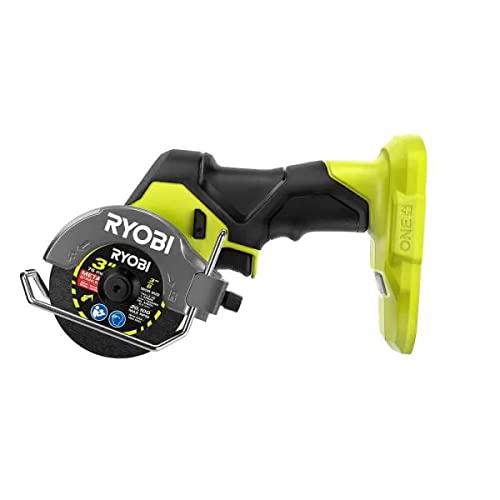
A cutoff tool is a small, straight-bodied pneumatic or cordless tool that uses a thin abrasive cutoff wheel. Its narrow body and inline wheel make it comfortable for short, controlled cuts in sheet metal. Many models accept 3-inch wheels, with some using 2-inch or 3-1/2-inch accessories.
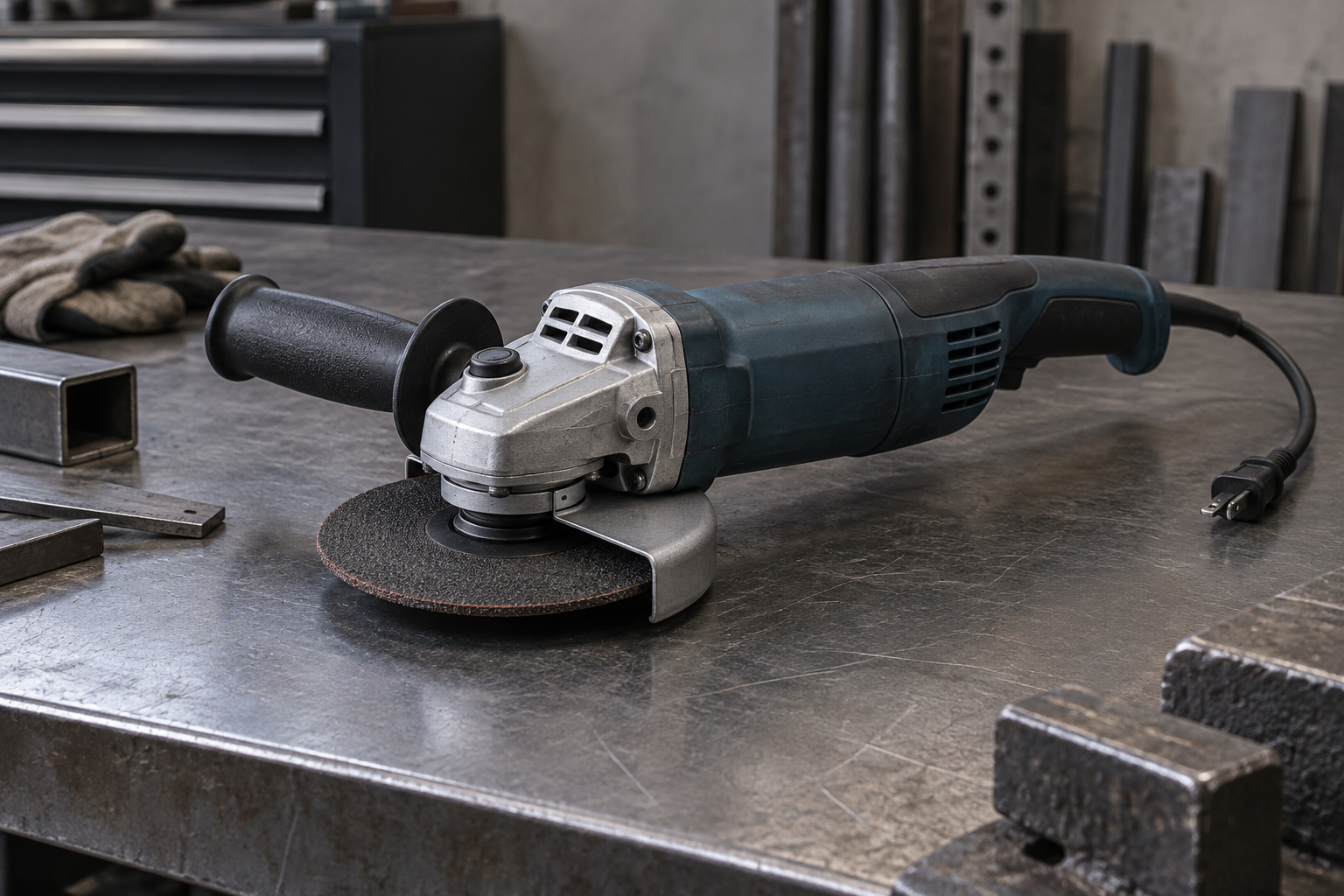
An angle grinder has a side-mounted spindle and typically uses 4-1/2-inch or 5-inch wheels. It is more powerful, but also heavier and easier to twist out of line. A grinder can cut sheet metal, but its main advantage is versatility: the same tool can use grinding wheels, flap discs, wire wheels, and polishing accessories.
For occasional work on steel flashing, ductwork, brackets, or automotive panels, a 3-inch cutoff tool gives good access and control. If you already own a grinder, buying the correct thin cutoff wheels may be all you need.
Angle grinder vs cutoff tool for sheet metal
| Factor | Angle grinder | Cutoff tool |
|---|---|---|
| Typical wheel size | 4-1/2 to 5 inches | 2 to 3-1/2 inches |
| Control on thin sheet | Good, but easier to overcut | Very good for short cuts |
| Cut speed | Fast and powerful | Moderate; can bog down in thicker steel |
| Best cut length | Long straight cuts and heavier stock | Short cuts, notches, and tight access |
| Edge finish | Often needs more cleanup | Usually easier to keep narrow |
| Other uses | Grinding, sanding, brushing, polishing | Primarily cutting |
| Main drawback | Bulk, kickback potential, and heat | Limited versatility and wheel capacity |
When a cutoff tool is the better buy
Choose a cutoff tool when the job involves thin panels, small openings, or cuts in awkward places. The smaller wheel is less likely to remove excess material, and the tool is easier to hold close to the work without the side handle and large guard getting in the way.
It is particularly useful for cutting sheet under roughly 1/8 inch thick, including 18- to 24-gauge mild steel. It also works well on aluminum, although abrasive wheels can load up quickly. Use an accessory rated for aluminum rather than assuming a steel wheel is suitable.
A cutoff tool is not automatically safer. Its wheel is small, but it still spins at several thousand revolutions per minute. If the wheel catches in a closing cut, the tool can jump. Keep both hands on the tool where possible, support the sheet on both sides of the cut, and avoid forcing the wheel sideways.
Air-powered cutoff tools are inexpensive and light, but they need a compressor that can deliver their stated air volume continuously. A small compressor may run constantly and still allow the tool to slow down. Cordless versions cost more but are convenient for field work and occasional repairs.
When an angle grinder makes more sense
An angle grinder wins when you need one tool for several operations. A 4-1/2-inch grinder can cut sheet, remove sharp burrs, flatten welds, strip paint, and smooth a damaged edge. If you are fabricating a bracket or modifying a vehicle panel, those extra capabilities often matter more than the grinder’s larger size.
For thin sheet, use a dedicated thin cutoff wheel, commonly around 0.040 to 0.045 inch thick. A thick grinding wheel is the wrong accessory for slicing sheet: it removes more material, creates more heat, and is harder to control. Do not use the side of a cutoff wheel for grinding; it can fracture under side loading.
The grinder’s larger wheel reaches farther into a panel and cuts faster through thicker material. That power becomes a disadvantage on very thin sheet. It can grab a loose edge, distort the panel, or cut past a marked line before you react. A variable-speed model can help with control, but it does not replace a light touch.
If you need a grinder, look for a model with a tool-free guard, a side handle, and a paddle or dead-man switch that suits your work position. A variable-speed angle grinder is useful if you also plan to use flap discs or surface-conditioning wheels.
How to cut thin sheet without ruining it
Clamp the sheet firmly, but do not clamp directly across the waste piece if it can vibrate. Vibration makes the wheel chatter and leaves a rough, wandering cut. For a long cut, support the work every 12 to 18 inches. Mark the line with a scribe or permanent marker, then cover the surrounding surface with masking tape to reduce scratches.
Start the wheel before touching the metal. Use light pressure and let the abrasive do the cutting. On sheet thinner than about 1/16 inch, a series of shallow passes often produces a straighter result than trying to cut through in one push. If the metal begins turning blue or the paint blisters, you are applying too much pressure or moving too slowly.
Make relief cuts at inside corners instead of trying to pivot the wheel sharply. Abrasive wheels prefer straight travel. For a rectangular opening, cut the long sides first and finish the corners with short cuts. Leave a small amount of material at the line, then remove it with a file or flap disc.
After cutting, deburr both sides. A hand deburring tool is controlled and quiet; a fine flap disc is faster but can enlarge the opening. For a metal deburring tool, scrape the edge with several light passes rather than trying to remove the burr in one stroke.
Safety and consumables that matter
Wear safety glasses under a face shield, hearing protection, gloves that fit closely, and long sleeves. Abrasive wheels throw hot sparks and sharp fragments. Keep sparks away from solvents, sawdust, batteries, and vehicle fuel systems. Inspect every wheel for cracks, check its maximum RPM against the tool, and replace it when it is worn below the manufacturer’s limit.
Thin sheet can hide wiring, insulation, fuel lines, or plumbing. Check the back side before cutting, especially on vehicles and finished walls. For painted or galvanized steel, use ventilation and avoid breathing the dust or fumes. A dust mask alone is not suitable protection for every coating; unknown or lead-based paint requires more careful controls.
Which should you buy?
Buy a cutoff tool if your work is mainly short cuts in thin sheet, tight access, and clean control. It is the better specialized tool and is often cheaper if you do not need grinding capability.
Buy an angle grinder if you expect to cut thicker steel, make long cuts, remove welds, or use sanding and wire-wheel accessories. If you already own one, start with quality thin cutoff wheels and a proper guard rather than adding another tool. For a single small repair, either tool is fine; technique, support, and the correct wheel will affect the result more than the brand.