What's inside
As an Amazon Associate I earn from qualifying purchases. This post may contain affiliate links at no extra cost to you.
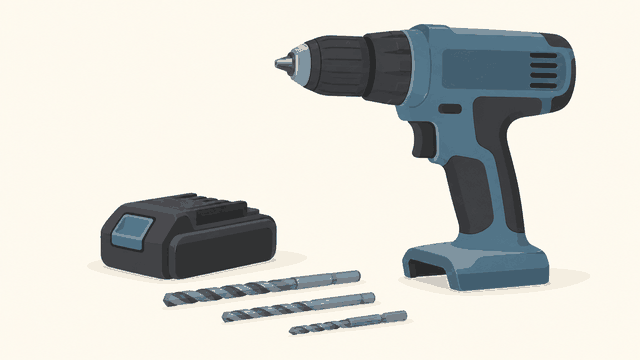
For most masonry anchors, a hammer drill is the necessary tool. A standard drill driver can make a hole in soft brick, mortar, or lightweight block, but it is slower and more likely to struggle as the masonry gets harder. For occasional small holes, the cheaper tool may be perfectly adequate. For concrete, large anchors, or repeated drilling, step up to a rotary hammer rather than either tool.
As an Amazon Associate we earn from qualifying purchases at no extra cost to you.



Our Top Picks
 Dewalt DCD798B 20V MAX Brushless 1/2 in. CordlessLarge7.44 x 9.33 x 3.03 inches2.67 poundsCheck on Amazon
 DYRECELVE 12-Piece Masonry Drill Bit Set and Concrete5.51 x 2.95 x 0.64 inches0.45 PoundsCheck on Amazon


What Each Tool Does
A drill driver spins the bit only. Its chuck accepts round-shank drill bits, and its adjustable clutch helps prevent overdriving screws. It is useful for pilot holes, wood, metal, plastic, and light masonry work.
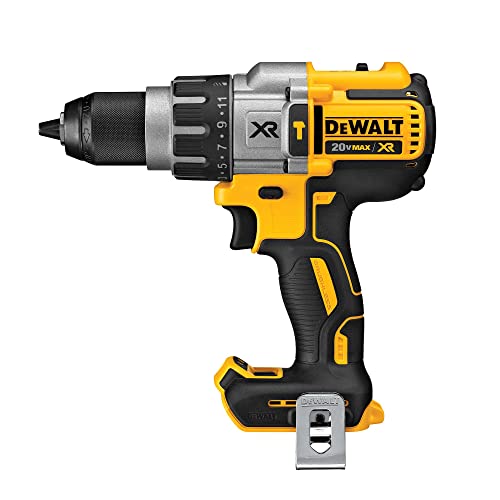
A hammer drill spins the bit while adding a rapid, forward-and-back tapping action. That percussion helps a carbide-tipped masonry bit chip the material instead of relying entirely on abrasion. The hammer function is usually selected with a switch or collar and can be turned off for ordinary drilling.
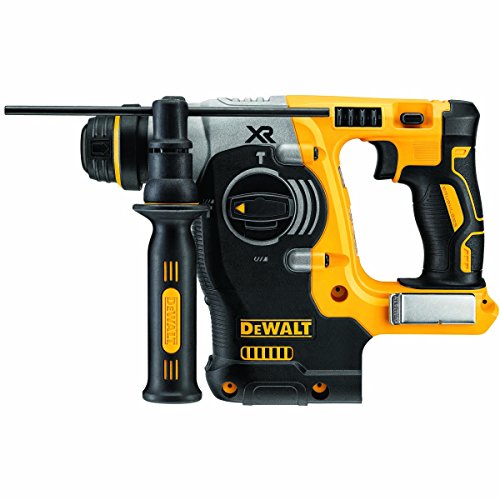
A rotary hammer uses a more powerful piston mechanism and usually accepts SDS-Plus or SDS-Max bits. It delivers substantially more impact energy than a hammer drill. Many rotary hammers also have a hammer-only mode for chiseling, though that feature is unnecessary for installing ordinary anchors.
| Tool | Best masonry use | Typical anchor range | Main limitation |
|---|---|---|---|
| Drill driver | Soft brick, mortar, small plastic plugs | About 1/4 inch and smaller | Slow in hard masonry; can overheat bits |
| Hammer drill | Brick, block, and occasional concrete holes | About 1/4 to 1/2 inch | Less powerful and slower than a rotary hammer |
| Rotary hammer | Frequent or large holes in concrete and masonry | About 3/8 inch and larger | Costs more and is bulkier for light work |
When a Drill Driver Is Enough
Use a drill driver when you need a few small holes in relatively soft material. Mortar joints, common red brick, aerated concrete block, and some lightweight concrete products can be drilled with a sharp masonry bit and moderate pressure. A plastic expansion plug for a small picture, cable clip, or light shelf may not justify buying another tool.
Expect the process to take longer. A 1/4-inch hole 1 1/2 inches deep might take 15 to 30 seconds in soft brick with a good bit, but several minutes in hard concrete. Do not force the drill continuously if the bit stops cutting. Withdraw it every few seconds to clear dust and let both bit and motor cool.
A drill driver is also the better tool for driving the screw after the hole is made. Set the clutch low enough to avoid stripping the screw or crushing a plastic plug. If the anchor spins while tightening, the hole may be oversized, dusty, or drilled into a weak mortar joint.
If you only own a drill driver, buy a carbide-tipped masonry bit set. Do not use a wood twist bit; it will dull quickly and may overheat before making useful progress.
Why a Hammer Drill Usually Wins
For concrete block, dense brick, and routine sleeve or plastic anchor installation, a hammer drill is the practical choice. Its impact action breaks the masonry ahead of the cutting edge, so the bit removes material faster and with less heat. It also produces a cleaner, more consistent hole when used with the correct bit.
For a typical 1/4-inch plastic anchor, drill to the anchor manufacturer’s specified depth, usually slightly deeper than the plug length. For a 3/8-inch sleeve anchor, the hole may need to be 2 to 3 inches deep, depending on the anchor design. The diameter must match the anchor exactly; a “close enough” bit can leave the expansion sleeve unable to grip.
Choose a cordless hammer drill if you already use batteries in that tool system. A corded model can deliver consistent power for long jobs, but the cable is inconvenient on ladders and outdoors. Variable speed is useful: start slowly to keep the bit from wandering, then increase speed once the hole is established.
Do not assume the hammer setting is always better. Turn it off when drilling tile, brittle brick, or near a fragile edge. Percussion can crack tile and can blow out the back of hollow block. In those situations, drilling slowly with rotation only may produce a better result.
When You Need a Rotary Hammer
A rotary hammer becomes worthwhile when drilling into structural concrete, reinforced concrete, foundations, stairs, or a large number of holes. It is also the safer choice for large-diameter anchors, such as holes around 1/2 inch or more, because it removes material without demanding excessive pressure from the operator.
Use an SDS-Plus rotary hammer and the correct SDS masonry bit for most homeowner anchor work. The tool’s impact energy is much higher than a hammer drill’s, so a 3/8-inch hole may take only a few seconds. That speed comes with more noise, vibration, dust, and a greater chance of damaging a weak surface.
A rotary hammer is not automatically suitable for every anchor. Chemical anchors, concrete screws, wedge anchors, and sleeve anchors each have specific diameter, depth, cleaning, and tightening requirements. Follow the anchor instructions rather than relying on the bit size printed on a generic package.
For frequent concrete work, compare SDS-Plus rotary hammers instead of buying the most powerful hammer drill available. The rotary hammer costs more, but faster drilling and less operator pressure usually repay that difference on a larger project.
Avoiding Anchor Failures
Mark the hole and check for wiring and plumbing before drilling. Hold the tool square to the surface. A tilted hole can prevent a screw from seating properly and can reduce the effective grip of an expansion anchor.
Clean the hole thoroughly. For small plastic plugs, withdraw the bit repeatedly and blow or vacuum out the dust. For deeper concrete anchors, brush and blow the hole according to the anchor instructions. Dust left on the hole walls acts like a lubricant and can dramatically reduce holding power.
Avoid placing anchors too close to an edge. The required distance varies, but a practical starting point is at least four anchor diameters from an unsupported edge unless the manufacturer specifies otherwise. Keep anchors spaced far enough apart that expanding one does not split the masonry around another.
The Practical Buying Decision
Choose a drill driver if you need only a few small holes in soft masonry and already own one. Choose a hammer drill for general-purpose masonry anchors in brick, block, and occasional concrete. Choose a rotary hammer for hard concrete, large holes, repeated installations, or any job where drilling time and operator fatigue matter.
The tool is only one part of the result. The right bit, exact hole diameter, sufficient depth, clean hole, and correct tightening torque matter just as much. A basic drill driver used carefully can outperform an expensive hammer drill used with a worn or incorrectly sized bit.