What's inside
As an Amazon Associate I earn from qualifying purchases. This post may contain affiliate links at no extra cost to you.
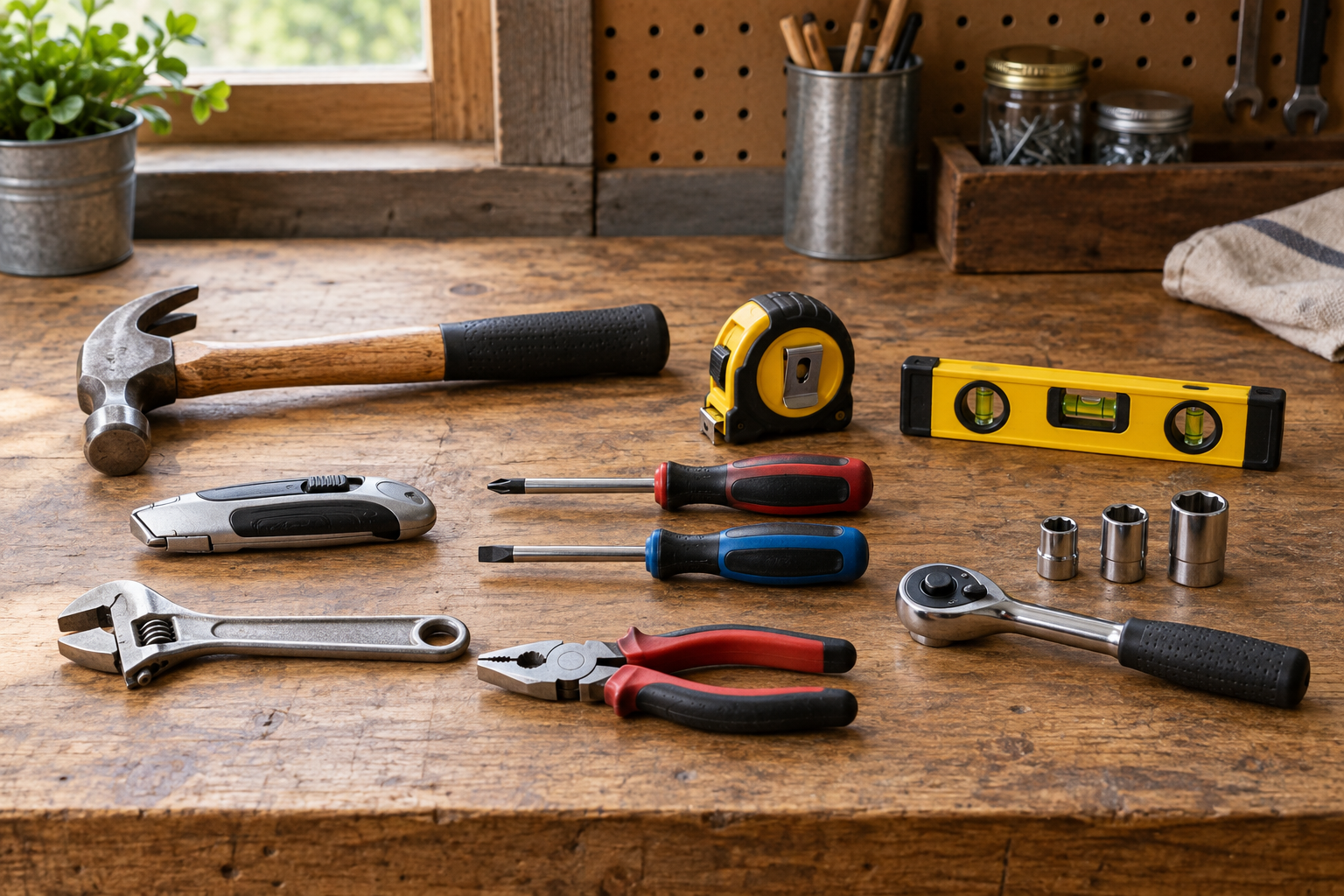
Removing a recessed nail is less about brute force than getting the claw behind the head without damaging the surrounding wood. The right hammer can make that job quick; the wrong one can gouge the board, bend the nail, or leave you pounding at an angle with no useful leverage.
For most general nail pulling, a curved-claw hammer is the better all-rounder. A straight-claw hammer becomes more useful when the nail is deeply buried, access is tight, or you need to dig into wood to expose the head. The best choice depends on how recessed the nail is and whether the surface will be visible afterward.
As an Amazon Associate we earn from qualifying purchases at no extra cost to you.



Our Top Picks

How the Two Claws Differ
A curved claw sweeps in a pronounced arc from the hammer head. When the claw catches a nail, that curve gives you leverage as you pull the handle backward. It is fast and efficient on exposed or slightly recessed nails, particularly in framing lumber, pallets, and demolition work.
A straight claw is flatter and more pointed. Its tips can be driven into the wood alongside a buried nail head, giving you a better chance of reaching a nail that a curved claw cannot hook. The trade-off is leverage: once the claw is engaged, a straight claw usually does not pull as far in one movement. You may need to rock the hammer, add a small pry bar, or pull in stages.
| Feature | Curved-claw hammer | Straight-claw hammer |
|---|---|---|
| Best nail position | Exposed or recessed up to roughly 1/8 inch | Deeply recessed or buried below the surface |
| Pulling leverage | Higher; often removes a nail in one motion | Moderate; usually requires rocking or repositioning |
| Surface damage | Can crush wood around the head | More likely to chip or puncture the surface while gaining access |
| Demolition work | Good | Very good for prying and digging |
| General household use | Usually the easier choice | Better for specialized repair and removal work |
When a Curved Claw Is Better
Choose a curved claw if the nail head is visible, even if it sits slightly below the wood surface. The hook shape naturally centers on the nail and converts the handle movement into pulling force. A 16-ounce curved-claw hammer is a practical size for most home repairs and trim removal. A 20-ounce version gives more momentum for framing nails but is less comfortable for delicate work.
Curved claws are also faster when you have many nails to remove. Pulling a dozen nails from a board is noticeably less tiring when each one comes out in a single controlled rock. The curved profile can act as a fulcrum, so avoid placing it directly on finished wood. Put a scrap of plywood, a steel plate, or a dedicated nail-puller pad under the head to spread the load.
The main failure mode is crushing the wood around the recessed head. If the claw slips off, it can leave a crescent-shaped mark or tear out a chunk of grain. A 16-ounce curved-claw hammer is the sensible low-cost option when you are removing ordinary nails and the surface is not especially fragile.
When a Straight Claw Is Better
A straight claw earns its keep when the nail head is recessed more than about 1/8 inch or covered by paint, filler, and damaged wood. Its narrow tips can be driven into the material beside the head. Once one tip is under the nail, rotate the hammer slightly and work the other tip into position.
It is particularly useful on old trim, flooring, crates, and reclaimed lumber where nails have been hammered below the surface. It also works well as a light pry tool. You can split a small section of soft wood, expose the head, and then pull the nail with pliers or a nail puller.
Do not treat a straight claw as a precision tool for finished hardwood. Driving the claw into the surface can create a hole larger than the original nail recess. On painted trim, it may lift a broad flake of paint. If the material will remain visible, make a shallow access notch with a utility knife or chisel first, rather than forcing the hammer through the finish.
A straight-claw framing hammer is worth considering for demolition, framing repairs, and stubborn buried fasteners. For occasional household use, however, its extra digging ability may not justify replacing a hammer you already own.
The Best Method for Recessed Nails
Start by clearing paint, caulk, or loose fibers from around the nail. Use a sharp nail set or small cold chisel to expose one edge of the head. Strike lightly; two or three controlled taps are safer than one heavy blow. If the nail is bent, clamp the exposed section with locking pliers and twist before pulling. A bent nail often releases more easily when rotated than when pulled straight.
Place the claw under the head as far as it will go. If using a curved claw, keep the hammer head close to the surface and pull gradually. If using a straight claw, rock the handle only a few degrees at a time. For a nail longer than 3 inches, expect to pull it partway, reset the claw, and repeat. Trying to remove a long nail in one extreme lever movement can split the board.
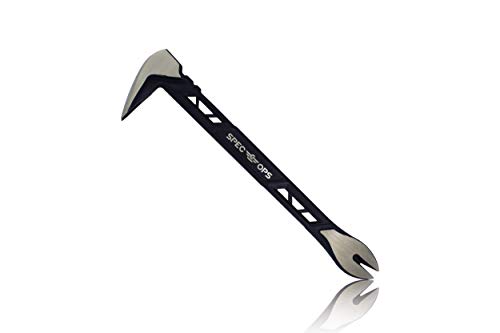
For delicate wood, a dedicated nail puller for recessed nails is often safer than either hammer claw. These tools grip the nail below the head and use a broad jaw or sliding action, reducing surface damage. They cost more and are slower for ordinary exposed nails, but the difference is worthwhile on flooring, cabinet parts, and visible trim.
What to Buy
Buy a curved claw if you want one hammer for normal repairs, furniture assembly, trim removal, and occasional framing. Look for a forged steel head, a claw opening that is not overly thick, and a comfortable 16-ounce handle. A smooth face is preferable for finish work; a milled face is useful for framing but marks wood easily.
Buy a straight claw if your work regularly involves buried nails, demolition, reclaimed lumber, or prying apart nailed joints. A 20- to 28-ounce tool provides useful striking weight, but it also increases fatigue and damage when accuracy matters. For most homeowners, the cheaper curved hammer is fine unless recessed nails are a recurring problem. Add a nail set, small chisel, and scrap block before spending more on a heavy specialized hammer.