What's inside
As an Amazon Associate I earn from qualifying purchases. This post may contain affiliate links at no extra cost to you.
Our Top Picks
The short answer
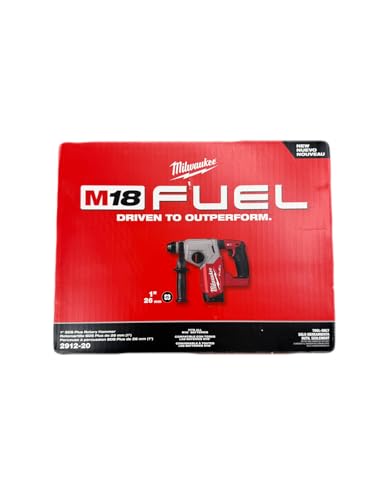
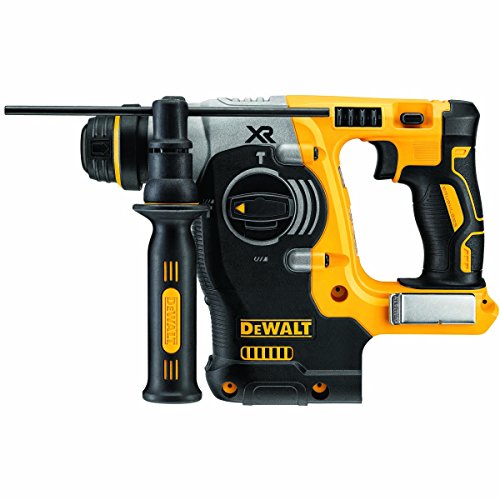
For drilling anchor holes in concrete, both Milwaukee’s M18 FUEL rotary hammer and Makita’s XRH10 are cordless SDS-Plus tools aimed at the same general job: drilling smaller holes without dragging out a cord or compressor. The better choice usually depends less on a headline power claim than on the batteries, dust-control setup and other tools you already own.
These names cover tool configurations and generations that may differ by market, so check the exact model number and manufacturer specifications before buying. In particular, confirm whether the listing includes batteries, a charger, a side handle and a dust-extraction attachment. A bare tool can look like a bargain until the battery cost is added.
As an Amazon Associate we earn from qualifying purchases at no extra cost to you.
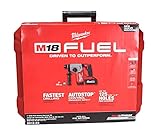

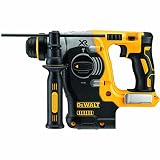
What matters for anchor holes
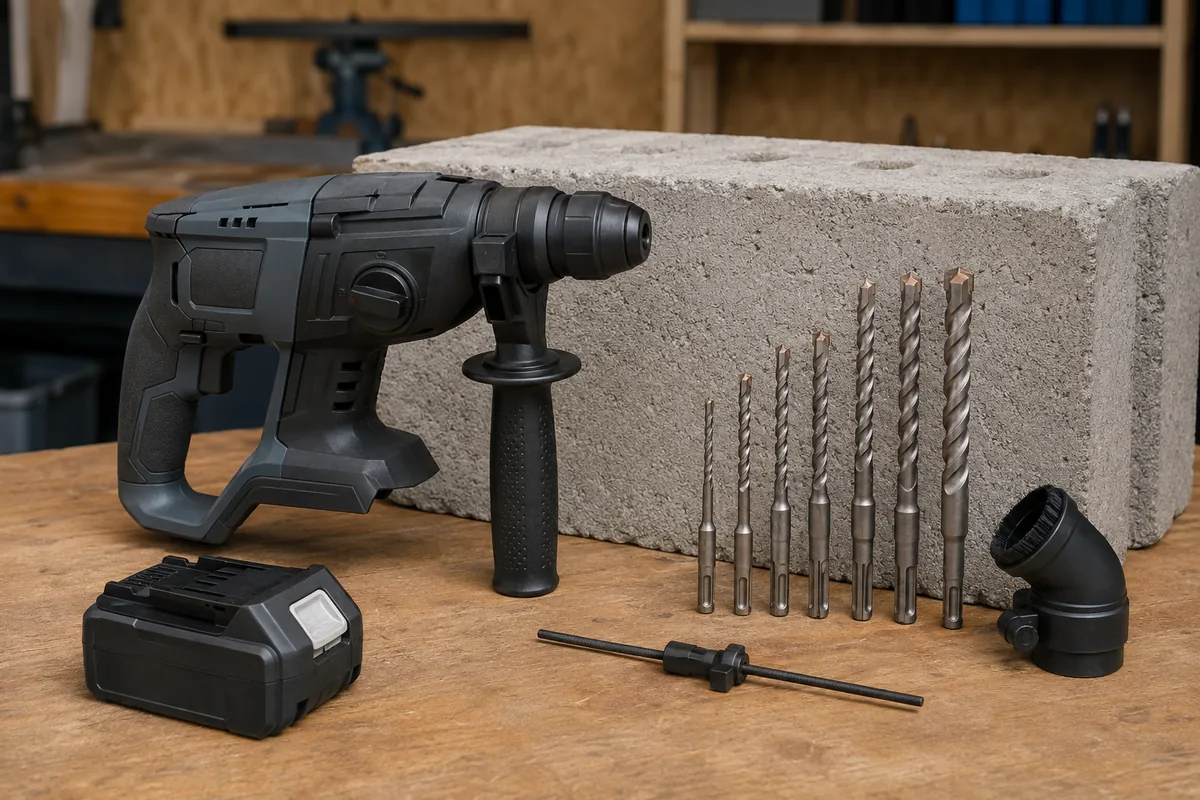
Most common concrete anchors need relatively small holes, often around 1/4 to 1/2 inch in diameter, though the anchor maker’s instructions decide the actual size and depth. In that range, an SDS-Plus rotary hammer is usually a more practical choice than a standard hammer drill: the hammer mechanism is designed for masonry drilling, and SDS-Plus bits change quickly without a conventional chuck.
For a few holes in sound concrete, either tool should be capable when fitted with a sharp, appropriate SDS-Plus bit. Rebar, aggregate and overhead drilling slow the work and can make a light tool feel underpowered. If you repeatedly need large-diameter holes or deep drilling, step up to a larger rotary hammer rather than expecting a compact SDS-Plus tool to do that work comfortably.
Hole cleaning matters too. Dust left in the hole can interfere with some anchors, especially adhesive systems. Follow the anchor manufacturer’s cleaning instructions; a vacuum or suitable blow-out method may be required. For repeated drilling, a compatible dust extractor reduces airborne dust, but it adds cost and bulk.
Side-by-side comparison
| Factor | Milwaukee M18 FUEL | Makita XRH10 |
|---|---|---|
| Platform | M18 battery system | Makita 18V LXT battery system |
| Bit type | SDS-Plus | SDS-Plus |
| Best fit | Users already carrying M18 batteries and chargers | Users already carrying Makita 18V LXT batteries and chargers |
| Anchor-hole work | Suitable for routine small and medium holes within the tool’s rated capacity | Suitable for routine small and medium holes within the tool’s rated capacity |
| Purchase check | Verify exact variant, kit contents and dust-control compatibility | Verify exact variant, kit contents and dust-control compatibility |
This comparison deliberately avoids treating the platform labels as a performance test. Milwaukee has sold multiple M18 FUEL rotary hammers, and specifications vary by model. Confirm the tool’s stated maximum drilling capacity, impact energy, weight and operating modes against the exact model number. Do the same for the XRH10 listing. A close name or similar photo is not enough to establish that two packages contain the same tool or accessories.
Handling, batteries and runtime
Weight matters when making a few holes at waist height; it matters more when drilling overhead or working from a ladder. Compare tool weight with the battery attached, not just the bare-tool figure. A large-capacity pack may extend runtime but also make a compact hammer more tiring to hold. For occasional anchor work, a smaller compatible battery can be easier to handle if it provides enough runtime for the job.
Runtime has no reliable single number for this comparison. Hole diameter, depth, concrete hardness, bit condition and pauses all change battery use. A dull bit makes the motor work harder and wastes time. If drilling starts to slow, check the bit for wear and clear dust from the hole before assuming the tool has failed.
If you own neither battery platform, compare the price of a complete kit with the cost of the bare tool plus batteries and charger. If you already have several usable packs, staying on that platform is often the sensible budget choice. See current Milwaukee M18 FUEL rotary hammer options and Makita XRH10 options, but verify the model and package details before ordering.
Which one to buy
Choose the Milwaukee if your batteries, charger and other cordless tools are already on M18, and the exact hammer’s capacity suits the holes you drill. Choose the Makita if you are already invested in 18V LXT. Neither platform is automatically the better buy when the work is occasional; the price of batteries and charger can outweigh a small difference in tool features.
If you are starting from scratch, compare the cost of complete kits and check which package includes the accessories you actually need. Do not pay extra for a dust attachment unless it fits your work and extraction setup. For a handful of anchors each year, a less expensive cordless SDS-Plus hammer may be entirely adequate; reserve a premium kit for frequent drilling, demanding sites or a battery system you already use.
Drill clean, accurate holes
Mark the anchor locations and check for hidden services before drilling. Use the diameter and minimum embedment specified for the anchor, then set a depth mark on the bit or use a depth stop. Hold the hammer square to the surface and let the tool do the work; forcing it can make the bit wander, overheat or bind.
Stop if the bit hits steel rather than pushing harder. Forcing through rebar can damage the bit and may compromise the concrete or the planned anchor location. Move the hole only if the layout and required edge distances allow it. After drilling, clean the hole as the anchor instructions require and install the fastener to its specified torque or setting procedure. For structural or safety-critical anchors, follow the manufacturer’s instructions and applicable local requirements rather than relying on a general-purpose drilling guide.