What's inside
As an Amazon Associate I earn from qualifying purchases. This post may contain affiliate links at no extra cost to you.
The Milwaukee 2836-20 and the Fein Multimaster created the brushless oscillating tool market from opposite ends. Milwaukee built the 2836-20 as a fast, aggressive cutter for the M18 system. Fein invented the category and still sells the Multimaster as a precision, low-vibration tool for fine work. Both are brushless, both use Starlock-style interfaces now, but they feel and cut very differently on the job.
As an Amazon Associate we earn from qualifying purchases at no extra cost to you.


Our Top Picks
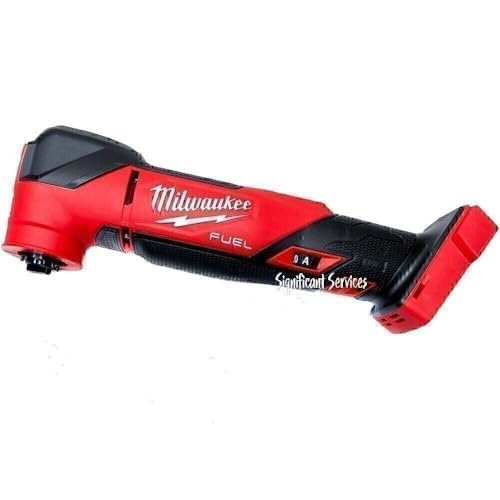 Milwaukee 2836-20 M18 FUEL Brushless Lithium-Ion Cordless Oscillating13x5x3 inches13 x 5 x 3 Inches3.09 PoundsCheck on Amazon
 Bosch OSL114JF-10 1-1/4" Bi-Metal Blades for Multi-Tool1-1/4 in1.31 x 1.88 x 6.04 InchesCheck on Amazon


At a Glance: Two Different Philosophies
The Milwaukee 2836-20 is the M18 FUEL Oscillating Multi-Tool — a cordless, 18V brushless tool with a variable speed dial from 10,000 to 20,000 OPM and a wide 4.2-degree oscillation angle (2.1 degrees per side). It uses the StarlockMax-compatible interface and Milwaukee’s FIXTEC-style tool-free blade change.
The Fein Multimaster is a family, not one tool. For a fair comparison, most buyers are cross-shopping the 2836-20 against either the corded FMM 350 QSL or the cordless AMM 500/700 series. All current Fein Multimasters are brushless, run 10,000 to 19,500 OPM, use a narrower 3.4-degree angle (1.7 degrees per side), and use the genuine StarlockPlus / StarlockMax mount with the QuickIN rapid-clamp system. The corded 350W Fein is still the benchmark for continuous power; the cordless Feins run on either Fein/Bosch 18V AMPShare batteries or, with an adapter, other platforms.
Power, Speed, and Cut Quality
On paper Milwaukee wins on aggression. That larger oscillation angle means each stroke removes more material. In wood with nails, drywall plunge cuts, or cutting out subfloor, the 2836-20 is noticeably faster than any Fein Multimaster. It also holds speed better under load thanks to the M18 FUEL motor and auto-load control. If you bury a 3-1/2″ bi-metal blade in oak or do long rip-style cuts with a segment blade, the Milwaukee won’t bog as quickly.
Fein trades that raw removal rate for control. The smaller angle and lower peak OPM (19,500 vs 20,000) produce a smoother cut with less tearing, especially in delicate tasks: trimming door jambs for flooring, flush-cutting without scarring adjacent surfaces, sanding with triangular pads, or cutting fiberglass and carbon. Vibration is the tell. Fein’s counterbalanced motor and better isolated head keep the tool steadier at high speed, which matters when you’re doing 30 minutes of sanding or working overhead.
Sanding and scraping is where Fein pulls ahead. The Milwaukee vibrates more and transfers more heat to the head. The dust extraction and pad stability on the Multimaster are better, and Fein’s sanding pads and scrapers actually stay put without loosening. Milwaukee is fine for quick scuff-sanding or removing caulk, but it’s not a finish sander replacement.
| Feature | Milwaukee 2836-20 | Fein Multimaster (AMM 500 / FMM 350 QSL) |
|---|---|---|
| Power Source | M18 18V cordless only (tool only) | FMM 350 QSL: Corded 350W / AMM 500: 18V AMPShare cordless |
| Motor | Brushless FUEL | Brushless |
| Oscillations | 10,000 – 20,000 OPM, dial + variable trigger | 10,000 – 19,500 OPM, dial + variable trigger (cordless) / dial only (corded) |
| Oscillation Angle | 4.2 degrees total | 3.4 degrees total |
| Blade Mount | StarlockMax compatible, FIXTEC lever | StarlockPlus / StarlockMax (genuine Starlock), QuickIN clamp |
| Weight (tool only) | ~2.9 lbs without battery, ~4.1 lbs with 5.0Ah | FMM 350: 3.1 lbs / AMM 500: ~2.8 lbs without battery |
| Noise / Vibration | Higher vibration, louder at max speed | Significantly lower vibration, better balancing |
| Warranty | 5 years limited | 3 years with registration (Fein Plus) |
Vibration, Noise, and Ergonomics
This is the biggest real-world difference. Put both tools on a vibration meter or just hold them for 10 minutes and the Fein is in another class. Milwaukee’s head transmits more buzz into your hand and forearm, and the body is bulkier at the nose to accommodate the larger motor. After extended use, especially sanding or cutting with a long blade, hand fatigue comes faster.
Fein’s Multimaster is slimmer, better balanced, and the rubber overmold actually dampens. It’s also quieter under no load and doesn’t have the high-pitched whine the 2836-20 gets above 18,000 OPM. If you work in occupied homes, do detail trim work, or have to make precise plunge cuts against finished surfaces, that control is worth money.
Milwaukee counters with a more jobsite-friendly form factor: integrated LED light, 10-setting speed dial that’s easier to bump with gloves, and a slightly shorter overall length when fitted with an M18 compact battery. The FIXTEC adapter works well, but it sticks up higher than Fein’s low-profile QuickIN head, which can be an issue in tight quarters like inside cabinets.
Blade Change and Accessory Ecosystem
Both now support Starlock, but they are not equal. Fein co-developed Starlock and its QuickIN system clamps Starlock, StarlockPlus and StarlockMax blades with perfect centering and no adapter. Milwaukee’s 2836-20 accepts StarlockMax blades natively and comes with a FIXTEC adapter that also lets you use standard OIS blades. In practice, both hold blades securely, but Fein’s clamp is faster with one hand and less prone to getting packed with dust.
Accessory cost favors Milwaukee if you buy in bulk. You can run cheap OIS blades with the adapter and Starlock oscillating tool blades from Milwaukee, Diablo, or Imperial without issues for rough work. Fein’s own blades are expensive but measurably better for longevity — their bi-metal and carbide blades last 30-50% longer in nail-embedded wood and their sanding sheets don’t delaminate as fast. If you already own Fein Multimaster accessories, they will all fit the Milwaukee, but the reverse isn’t always true for the tightest-tolerance StarlockPlus blades.
Failure modes to know: Milwaukee’s FIXTEC lever can loosen if you don’t fully seat a Starlock blade — you’ll hear a rattle and lose oscillation power. Fein’s QuickIN lever is more reliable but the clamping pin area needs occasional cleaning or it will stick open. Both tools will overheat and thermally shut down if you lean on a dull blade at max speed; Milwaukee recovers faster, Fein protects itself sooner.
Battery Platform and Value
Here Milwaukee has a clear advantage for most US buyers. If you already own M18 batteries, the 2836-20 as a bare tool is often $179-$219 and you’re done. It runs on any M18 battery, from the compact 2.0Ah to the 12.0Ah High Output, though a 5.0Ah is the sweet spot for weight vs runtime. Expect 20-35 minutes of hard cutting per 5.0Ah charge.
Fein cordless tools run on the AMPShare system shared with Bosch 18V. If you don’t own those batteries, you’re buying into a smaller ecosystem. The AMM 500 Plus kit with 2x 4.0Ah batteries is typically $350-$450, significantly more than Milwaukee. The corded FMM 350 QSL at around $250-$300 avoids batteries entirely and will outrun any cordless for all-day grinding, grout removal, or boat work where you have power.
For a shop that already has a dozen M18 tools, buying the Fein makes less financial sense unless you need its finesse. For a finish carpenter, flooring installer, or restoration contractor who oscillates for hours a day, the Fein pays back in less fatigue and cleaner cuts. Check current pricing on Milwaukee M18 Fuel oscillating tools versus the Fein kits before you decide — sales swing the math by $100 or more.
Which Should You Buy?
Choose the Milwaukee 2836-20 if your work is rough-in, remodel, or mixed-use: cutting out drywall, notching studs, cutting nails and screws, undercutting jambs quickly, and occasional sanding. It’s faster, cheaper if you’re on M18, and more forgiving with cheap blades. It’s the better demolition multi-tool.
Choose the Fein Multimaster if your work is finish-focused: detailed trim, hardwood flooring, window glazing, fiberglass or tile grout work, and long sanding sessions. The lower vibration, better balance, and superior depth control make precise work easier and less tiring. The corded FMM 350 QSL is still the best choice if you want unlimited runtime and the smoothest operation and don’t mind a cord.
Don’t overthink durability — both now use brushless motors and metal gear cases and will survive jobsite use if you keep the head clean and use sharp blades. The cheaper option is fine if you only oscillate a few times a month; a $30 OIS blade set and the Milwaukee will handle 90% of what a homeowner or general handyman needs. Buy the Fein when your hands and your finish quality tell you the Milwaukee is too coarse.