What's inside
As an Amazon Associate I earn from qualifying purchases. This post may contain affiliate links at no extra cost to you.
Our Top Picks
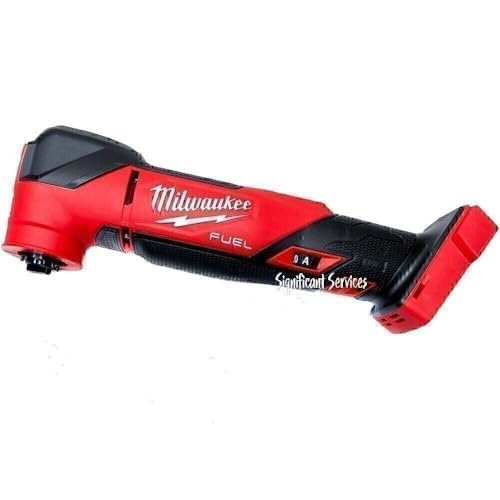 Milwaukee 2836-20 M18 FUEL Brushless Lithium-Ion Cordless Oscillating13x5x3 inches13 x 5 x 3 Inches3.09 PoundsCheck on Amazon



Quick verdict
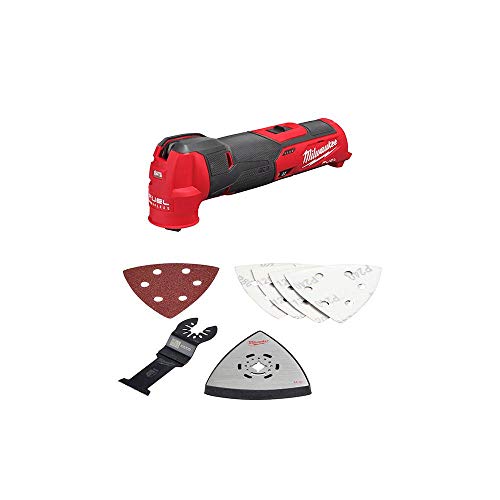
The Fein MultiMaster AMM 700 and Milwaukee M18 2836 are both high-end oscillating multi-tools, but they suit different work habits. The Fein is a corded tool rated at 450 W, so it delivers steady power without a battery or runtime limit. The Milwaukee is an 18 V cordless tool built for mobility, with a brushless motor and a 10,000–20,000 oscillations-per-minute speed range. Choose the Fein for long sessions near an outlet; choose the Milwaukee when moving between rooms, working overhead or already carrying M18 batteries.
Neither makes every cut clean or fast. Oscillating tools are most useful for plunge cuts, flush trimming, grout removal and detail work where a circular saw or reciprocating saw cannot fit. For long straight cuts, they are slow by design.
As an Amazon Associate we earn from qualifying purchases at no extra cost to you.


At a glance
| Feature | Fein MultiMaster AMM 700 | Milwaukee M18 2836 |
|---|---|---|
| Power source | Corded, 450 W | M18 battery, 18 V |
| Speed range | 10,000–19,500 oscillations per minute | 10,000–20,000 oscillations per minute |
| Oscillation angle | 2 × 2.0° | 4.2° total |
| Tool changes | QuickIN, tool-free | FIXTEC, tool-free |
| Dust extraction | Compatible with an optional extraction setup | Compatible with an optional dust-extraction attachment |
| Best fit | Long, stationary work and users who want corded power | Mobile renovation work and M18 battery owners |
Speed figures alone do not predict cutting speed. Blade type, material, pressure and technique matter more than a difference of 500 oscillations per minute. The Milwaukee’s larger oscillation angle can help it remove material quickly, but it may also feel more aggressive in delicate work.
Cutting and control
The AMM 700 is a strong choice for repeated cuts in wood, drywall and plastics, especially when the work is close to a bench or outlet. Its variable speed and soft-start control help with careful starts, while its cord means output does not taper as a battery empties. The trade-off is obvious on a renovation site: the cord can snag on trim, catch around a ladder, or get in the way when you are reaching into a cabinet.
The M18 2836 removes that tether and has enough speed for common renovation jobs. Its brushless motor and broad speed range suit both cutting and sanding attachments. With a fresh, suitable battery, it is convenient for cutting doorjambs, trimming flooring edges and removing old caulk. But a battery is not free weight: a larger pack adds bulk, and extended cutting can drain it faster than intermittent detail work. Keep a spare charged if the tool will be used through a full workday.
Both tools can burn wood or dull a blade quickly if you lean on them. Let the accessory do the work, use a short plunge to establish a cut, and back out to clear dust. A blade that is too wide for a tight corner can bind; a worn blade may take so long that users compensate by pushing harder, increasing heat and vibration. For clean cuts in finished surfaces, test on scrap first and use a sharp blade suited to the material.
Handling, accessories and dust
Tool-free accessory changes are useful when switching between a plunge-cut blade, scraper and sanding pad. Both systems are designed for quick changes, but check compatibility before buying accessories: the mount and any included adapter can affect which blades fit. If your current kit has a mix of older accessories, confirm the interface rather than assuming every blade will attach directly.
Dust control is a practical limitation, not a minor add-on. Plunge-cutting drywall or sanding filler can create a cloud in a small room. Connect compatible extraction where possible, wear eye protection and a suitable respirator, and keep the cut area clear. An extraction attachment can improve collection, but it does not replace a vacuum or make dusty work safe without appropriate protection.
For a broad accessory selection, compare oscillating-tool blades and accessories by material and cut type, not just by package count. Bi-metal blades are useful around nails, while carbide or diamond accessories are better suited to abrasive grout and tile-related work.
Which one should you buy?
Buy the Fein if you regularly use an oscillating tool for sustained work, prefer predictable corded power, and can manage a cord safely. It is also the sensible pick if you already have compatible accessories and do not want to invest in batteries. The cord is a real drawback on stairs, in tight rooms and anywhere you must keep repositioning.
Choose the Milwaukee if cordless convenience will save time across a renovation, especially if you already own M18 batteries and a charger. If you do not, include the battery and charger cost in the comparison. A bare tool can look much cheaper than a complete working setup. An existing M18 owner may get more practical value from the Milwaukee than from the Fein, even if the Fein’s corded operation is attractive for long cuts.
For occasional trim cuts, removing a small section of drywall or scraping adhesive, a less expensive oscillating tool may be adequate. Spend more only if you expect regular use, need better control, or value the specific corded or cordless setup. Compare current options in corded oscillating multi-tools or 18 V cordless oscillating multi-tools before paying a premium.
Whichever you choose, budget for replacement blades. A cheap blade that dulls halfway through a doorway cut can cost more time than it saves, while premium blades are hard to justify for a single short job. Match the accessory to the material, avoid forcing the tool, and use a different saw when the cut is long and accessible.