What's inside
As an Amazon Associate I earn from qualifying purchases. This post may contain affiliate links at no extra cost to you.
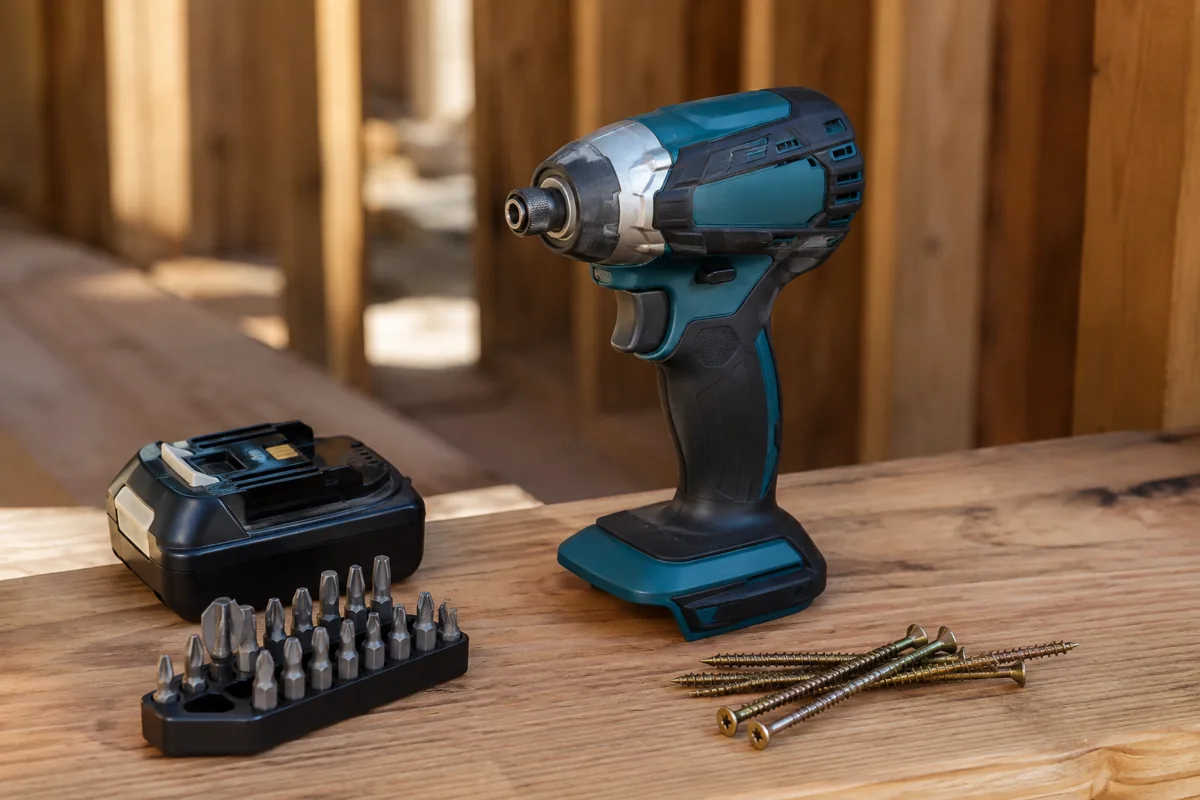
An impact driver’s maximum torque is an easy specification to overvalue. A tool rated at 2,000 in-lb may drive long structural screws quickly, but that does not mean it can safely tighten a small machine screw to 20 or 40 in-lb. Maximum torque describes the tool’s upper output, not its ability to deliver a precise, repeatable low setting.
For delicate hardware, choose an impact driver based on its lowest usable control setting, trigger response, speed range, and compatibility with torque-limiting accessories. If the job includes electronics, small fasteners, cabinet hardware, or aluminum threads, a clutch-equipped drill/driver is often the safer purchase.
Our Top Picks

Maximum torque is not working torque
Manufacturers commonly list impact-driver torque in inch-pounds (in-lb) or Newton-meters (Nm). The figures are usually measured under controlled conditions and may represent fastening torque, breakaway torque, or a peak value. They are useful for comparing broad power classes, but they are not a torque setting you can dial in.
For reference, 1 Nm equals about 8.85 in-lb. A compact impact driver rated at 1,000 in-lb produces roughly 113 Nm at its maximum. That is vastly more than the tightening torque required by many small fasteners. A small electronics screw may need less than 10 in-lb, while a bicycle stem or automotive fastener may call for 50 to 150 in-lb depending on the part.
Once the driver’s hammer mechanism engages, torque arrives in pulses. Those pulses can strip a Phillips recess, twist off a small screw, crack plastic, or pull threads out of soft aluminum before the operator can release the trigger. Even a low-speed electronic mode does not turn an impact driver into a calibrated torque wrench.
Choose the right torque class
For general construction and household work, a moderate-power impact driver is usually easier to control than the strongest model. The following ranges are practical buying categories, not precision specifications.
| Impact-driver class | Typical maximum torque | Good uses | Delicate-hardware risk |
|---|---|---|---|
| Compact 12V to 18V | 700��1,300 in-lb | Cabinet screws, light framing, shelving, small repairs | Manageable, but still too powerful for many small machine screws |
| Standard 18V or 20V | 1,400–2,000 in-lb | Decking, construction screws, lag screws, repeated driving | High; requires careful trigger control and correct bits |
| High-torque impact driver | 2,000 in-lb and above | Long structural screws and heavy-duty fastening | Poor choice for small or soft hardware |
If you mainly install drawer pulls, hinges, light fixtures, electrical boxes, or furniture hardware, the cheapest compact impact driver may be enough. You do not need a 2,000-in-lb tool to drive a 1-1/4-inch wood screw. A compact model also tends to be shorter and lighter, which helps when you must work slowly and keep the bit aligned.
Shop the compact 12V impact driver category if size and control matter more than maximum fastening speed.
Look for control, not just power
For delicate work, prioritize three or more selectable speed or power modes. A useful low mode should reduce both rotational speed and impact intensity. Some tools only reduce speed; once the hammer hits, they can still deliver a sharp pulse.
A progressive trigger is equally important. Test whether the tool can start smoothly at a few hundred revolutions per minute, or whether it jumps from stationary to fast. A bright work light and a compact head are helpful, but they do not compensate for an abrupt trigger.
Do not assume that a “precision” or “assist” mode provides a known torque value. These modes may stop or slow the tool after a programmed amount of time, but screw friction varies with thread condition, material, washer compression, and the length of the fastener. The same mode can produce different results in wood and metal.
For controlled fastening, compare an adjustable-clutch drill/driver instead. Its clutch is still not a laboratory instrument, but it is substantially more suitable for small screws than an impact mechanism. Start at a low clutch number and increase it only when the fastener does not seat fully.
Use accessories to limit risk
Use the correct bit before reducing tool power. A worn Phillips bit cams out and damages the recess even at modest torque. For hex, Torx, and square-drive screws, use a fresh impact-rated bit that fits without wobble. Ordinary chrome bits can shatter in an impact driver.
An inline torque-limiting extension or bit holder can make an impact driver safer for repetitive work. These accessories are designed to slip, twist, or break at a specified torque, but their accuracy depends on the model and operating conditions. Verify the manufacturer’s rating and use the correct direction and bit size. They are not a substitute for a calibrated torque wrench when a fastener has a critical specification.
For small screws, a torque-limiting impact bit holder can be a reasonable compromise if you already own an impact driver. It is cheaper than replacing stripped hardware, but it adds length and may not fit in tight recesses.
Match the tool to the material
Softwood usually tolerates more overdriving than thin aluminum, brass, plastic, or particleboard. That does not make high torque harmless: overdriving a wood screw can bury the head, split the board, or strip the hole so the screw no longer holds.
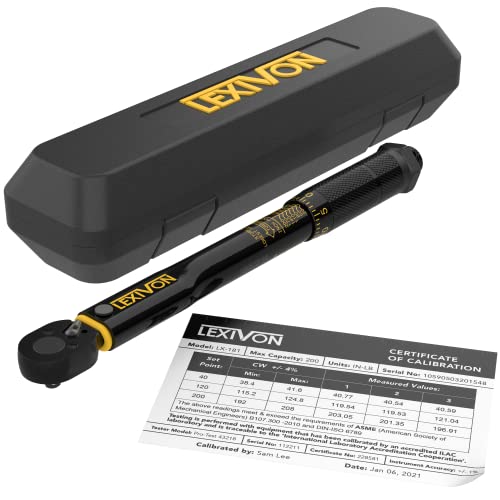
In metal, stop as soon as the washer or screw head seats. If the fastener must be tightened to a specification, run it down with a low setting or by hand, then use a small inch-pound torque wrench for the final tightening. For electronics and very small machine screws, use a manual driver or dedicated torque screwdriver instead of an impact driver.
A practical buying test
Before choosing, list the largest fastener you will drive and the smallest one you must protect. If your work ranges from 3-inch construction screws to tiny cabinet-hardware screws, one impact driver will not perform both jobs well without compromises. Use the impact driver for the large screws and keep a clutch drill/driver or manual torque driver for the small ones.
When comparing two models, favor the one with a lower speed mode, smoother trigger, visible mode selection, and good balance—even if its maximum torque is lower. Buy the high-torque model only when you regularly drive long structural screws or need its reserve power. For delicate hardware, controlled torque beats impressive numbers on the box.