What's inside
As an Amazon Associate I earn from qualifying purchases. This post may contain affiliate links at no extra cost to you.
Our Top Picks


The short answer
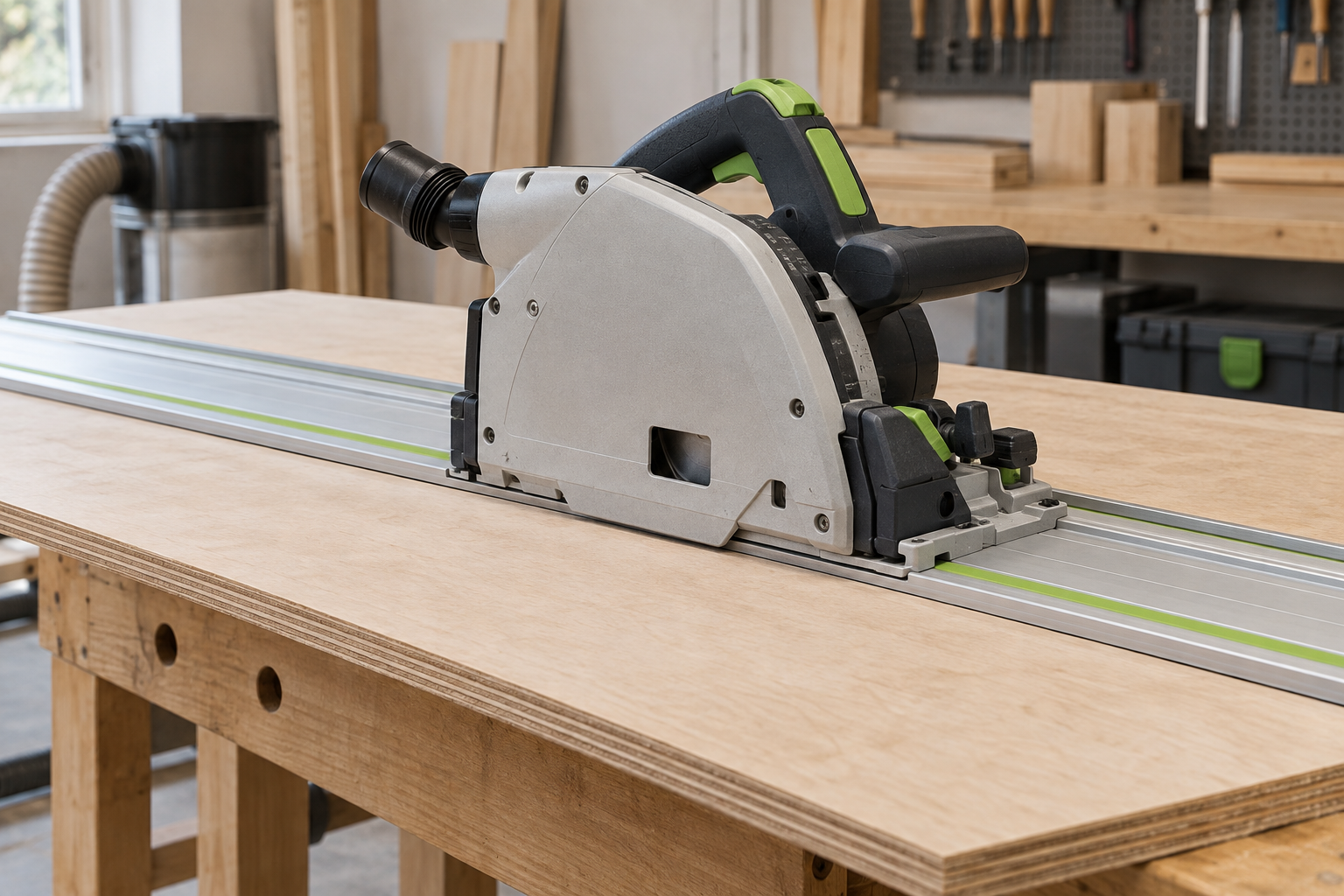
For breaking down plywood and trimming cabinet panels, both saws can make accurate cuts when paired with a straight, well-supported track. The Festool TS 55 is the more polished system, with strong dust control, refined adjustments, and broad accessory support. The Makita SP6000 is usually the better-value choice: it cuts cleanly and accurately, and its lower purchase cost leaves room in the budget for tracks, clamps, and a suitable blade.
Choose based on the whole setup, not the saw alone. A track saw without enough track length or support can produce a worse panel cut than either machine deserves.
As an Amazon Associate we earn from qualifying purchases at no extra cost to you.


At a glance
| Consideration | Festool TS 55 | Makita SP6000 |
|---|---|---|
| Best fit | Frequent, repeatable work where dust collection and system details matter | Accurate panel cutting at a lower entry cost |
| Typical blade size | About 160 mm | About 165 mm |
| Speed control | Variable speed | Variable speed |
| Track compatibility | Festool guide-rail system | Makita guide-rail system; many third-party rails are also compatible, but check fit |
| Main trade-off | Higher system cost | Less refined dust collection and some system details |
Specifications can vary by model revision and region, so confirm the manual for the exact saw you are buying. In particular, check the blade diameter, cutting capacity, and which rail or adapter is included.
Cutting plywood and cabinet panels
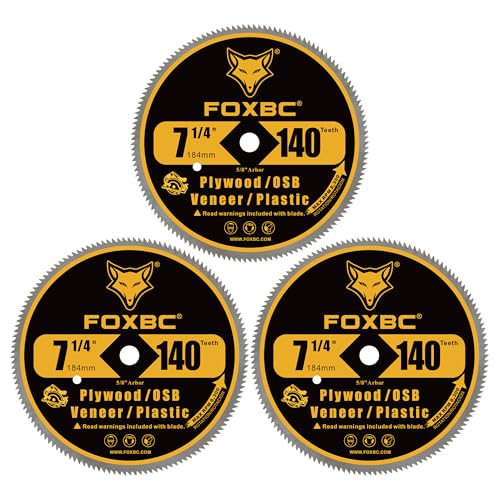
A sharp, appropriate blade and solid work support matter more than small differences between these saws. For veneered plywood and melamine-faced panels, use a fine-tooth blade intended for clean cuts, and keep the splinter guard intact and correctly aligned with the blade path. A worn or chipped blade can tear the face veneer even when the saw is running properly.
Both saws can make accurate long cuts, but a 4-by-8-foot sheet needs careful handling. Put the sheet on rigid foam or a panel-cutting surface so the offcut is supported and the blade cannot hit the floor. Place the rail on the waste side of the cut, align its edge to the mark, and clamp it if the sheet might shift. If the panel bows or rocks, the cut can wander or pinch the blade.
For a 19 mm cabinet panel, check the saw’s depth setting with the rail fitted. The rail and saw base affect usable cutting depth, and a nominal depth figure without the rail may not reflect your actual setup. Make a test cut in scrap before committing expensive sheet goods.
Accuracy, setup, and common mistakes
The TS 55 feels especially considered in its adjustments and rail system. That is useful when making repeated cuts, changing bevel settings, or working in a shop where the saw gets used every week. The SP6000 is capable of precise work too, but take time to set it up: confirm the base sits flat on the rail, check for side play, and verify the bevel scale against a square rather than trusting the printed marks blindly.
Neither saw makes a rail automatically straight or a cut automatically square. A dirty rail, loose connector, or rail placed across a bowed sheet can spoil the result. When joining rails for a cut longer than one rail, make sure the joint is aligned and supported; a small step at the connection can leave a visible line in the cut. For cabinet parts, measure from a consistent reference edge and label each panel before cutting to avoid mirrored or reversed pieces.
Use a controlled feed. Forcing the saw can increase tear-out and overload the blade; feeding too slowly with a dull blade can also burn the edge. If the saw bogs down, stop, unplug it, and check for a pinched blade, poor support, or a blade that needs replacement.
Dust collection and the accessory system
The Festool’s dust management is a meaningful advantage when connected to a suitable extractor, especially for repeated indoor work. The Makita can collect dust through its port as well, but expect more escape in some setups. Neither is dust-free, and a shop vacuum that cannot maintain airflow through a fine filter will leave more airborne dust than a proper dust extractor. Wear eye and respiratory protection regardless.
Tracks, clamps, connectors, and replacement splinter strips add to the real cost. If you already own rails that fit the Makita’s base, the SP6000 becomes particularly attractive. Compatibility is not universal: rail profiles may look alike but differ in fit, so check the saw maker’s guidance and test the setup before making finish cuts. If you have no system yet, compare a complete kit with a track saw and guide-rail kit, not just bare-saw prices.
Which one should you buy?
Buy the Festool TS 55 if you cut panels frequently, value better dust control and polished adjustments, or plan to build around the Festool rail ecosystem. The higher price is easier to justify in a production shop than for occasional cabinet projects. Its advantages are practical refinements, not a guarantee that every cut will be better.
Buy the Makita SP6000 if your priority is accurate panel work without paying extra for a premium system. It is a sensible choice for a small shop, renovation work, or a first track saw—provided you budget for a good rail, support, and blade. A Makita SP6000 track saw can be enough for a cabinetmaker who cuts panels occasionally and is willing to verify setup carefully.
If you are only cutting a few sheets a year, the cheaper saw is usually fine. Spend the savings on a quality fine-tooth blade, stable sheet support, and a rail long enough for the cuts you actually make. For either saw, a fine-tooth track-saw blade for plywood is a more useful upgrade than chasing small differences in motor specifications.