Bi-Metal Hacksaw Blade vs High-Carbon Blade for Repeated Steel Cutting
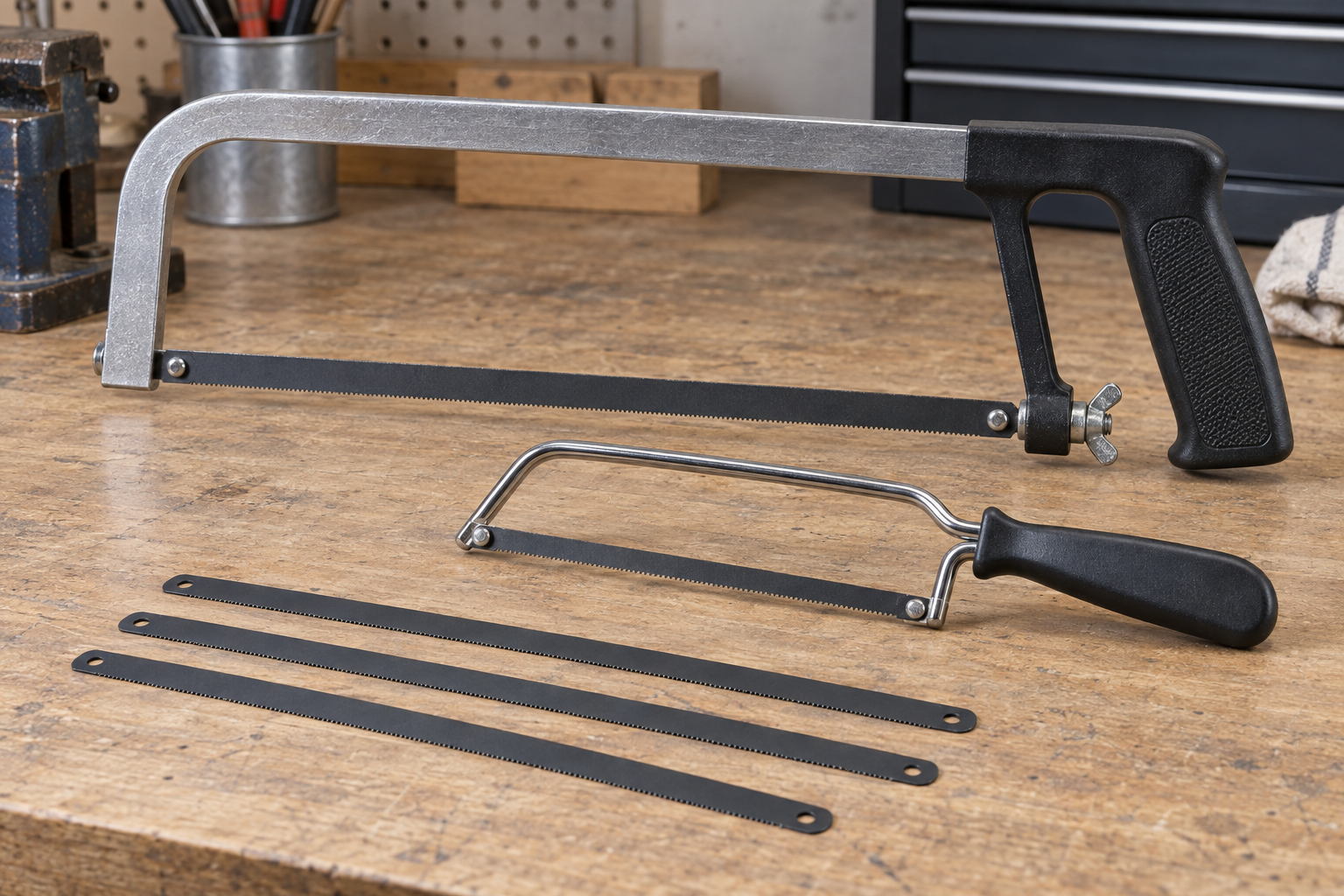
AI-generated editorial illustration of hacksaws and replacement blades

For repeated steel cutting, a bi-metal hacksaw blade is usually the safer buy. Its high-speed-steel teeth resist wear while a flexible spring-steel back tolerates the bending that breaks ordinary blades. A high-carbon steel blade costs less and can cut mild steel effectively, but it gives up tooth life and toughness. The better choice depends on … Read more
Bolt Cutter vs Compact Rebar Cutter for Cutting Heavy Steel Rod

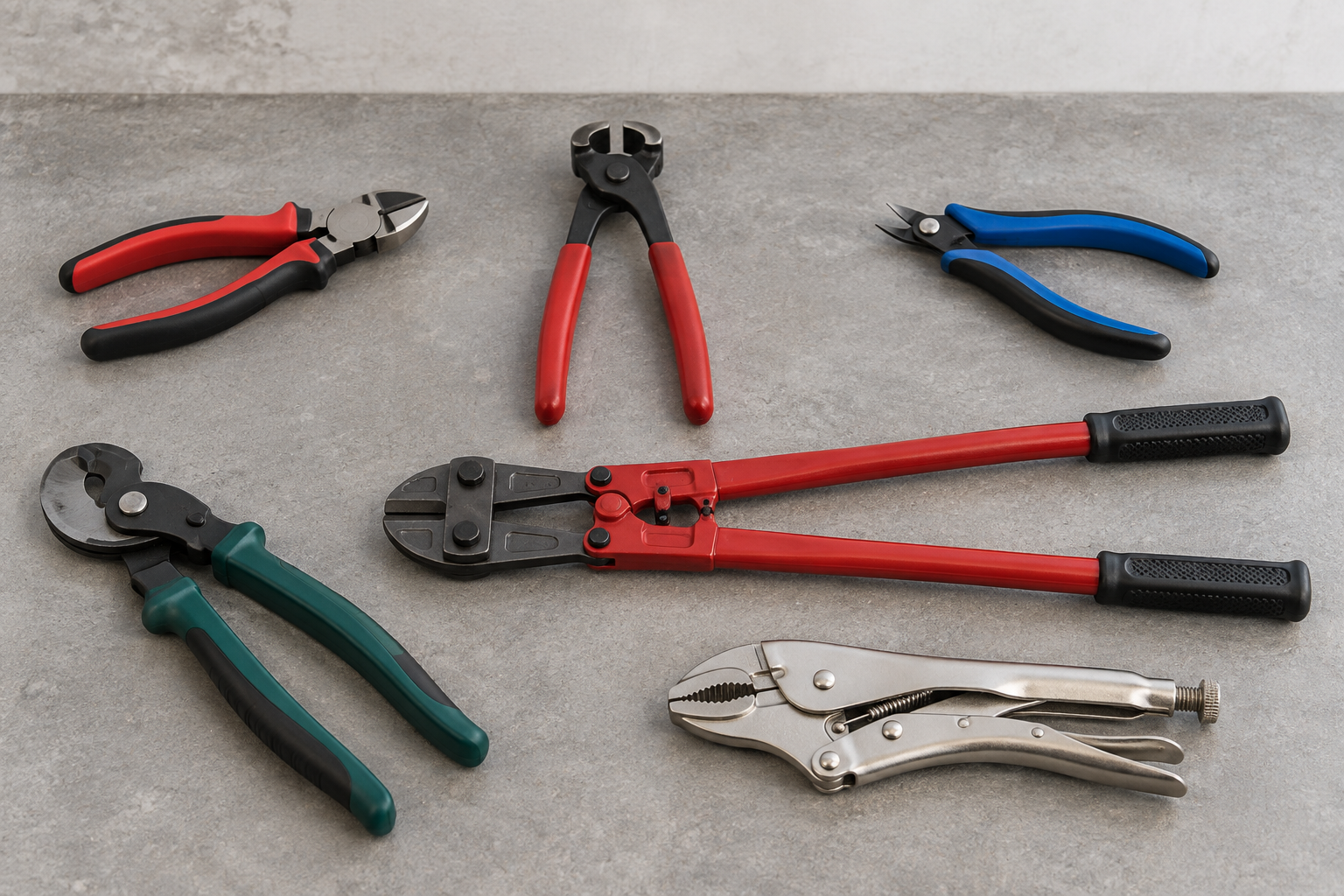
AI-generated editorial illustration of hand cutting pliers and bolt cutters

For cutting heavy steel rod, a bolt cutter is the cheap, familiar option. A compact rebar cutter is the more specialized tool: usually a handheld hydraulic, battery-powered, or electric cutter designed to shear reinforcing bar cleanly and repeatedly. The right choice depends less on the rod’s diameter than on its grade, hardness, quantity, and how … Read more

Cable Shears vs Hacksaw for Cutting Flexible Armored Cable

AI-generated editorial illustration of hacksaws and replacement blades

For cutting flexible armored cable, the choice is usually between a purpose-built cable shear and an ordinary hacksaw. The hacksaw is cheaper and can handle almost any diameter. The shear is faster, cleaner, and much less likely to damage the insulated conductors inside the armor. That difference matters because flexible armored cable—such as AC, BX, … Read more

Order backlinks