Key takeaways
- A neutral, table-led comparison of the major professional cordless platforms on design philosophy, tool range, warranty and how their prices actually move.
What's inside
As an Amazon Associate I earn from qualifying purchases. This post may contain affiliate links at no extra cost to you.
Choosing the best professional cordless tool system is not a tool purchase. It is a multi-year commitment to one battery footprint, one charger shelf, and one service pipeline. The drill matters far less than whether that same pack will still fit a rotary hammer, a band saw, and a work light four years from now.
Every major brand’s flagship brushless drill is good enough for paid work, so spec sheets settle nothing. What separates these platforms is design philosophy, range, warranty administration, availability, and how predictably prices move. Here is how the main contenders compare.
As an Amazon Associate we earn from qualifying purchases at no extra cost to you. Product prices and availability are accurate as of the date shown and are subject to change.


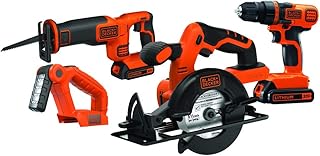
| Platform | Design philosophy | Range and availability | Best suited to |
|---|---|---|---|
| DeWalt 20V MAX and XR | Generalist coverage, high-voltage packs that also run standard tools | Very wide, stocked almost everywhere | Mixed-trade crews and remodelers |
| Milwaukee M18 FUEL | Trade solutions first, aggressive battery output | Deepest specialty range, authorized dealers only | Plumbing, electrical, mechanical |
| Makita LXT plus 40V XGT | Ergonomics and control, very large 18V catalog | Wide on 18V, heavy tools on a separate mount | Finish carpentry, cabinets, service work |
| Bosch 18V | Engineering-led, strong in concrete and layout | Moderate, uneven at US retail | Concrete, tile, install trades |
| Metabo HPT MultiVolt | One pack runs both 18V and 36V tools | Smaller but growing | Framers and value-focused pros |
| Hilti Nuron | Closed ecosystem where the service contract is the product | Narrow, sold direct rather than retail | Commercial concrete and industrial crews |
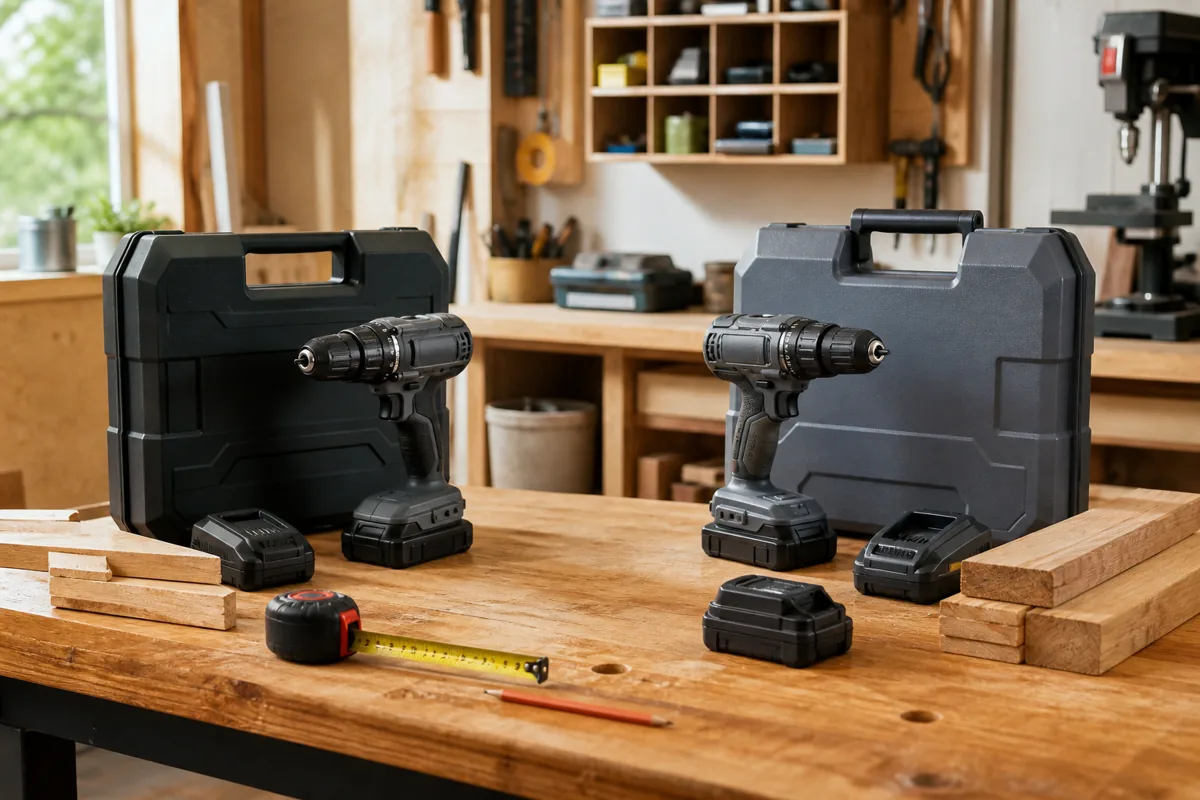
What the best professional cordless tool system has to do
Five tests decide it. Battery continuity: will today’s pack still fit new releases in four years? Range in your trade: not total tool count, but whether your specialty tools exist on that mount. Service: how fast a dead tool comes back. Battery economics: replacement packs are the real long-term cost, not the drills. Exit value: how well the kit resells if you change direction.
Most buyers fail the second test. A framer is happy on almost any platform, but a plumber, electrician, or mechanic eventually needs a press tool, a cable cutter, or a high-torque impact wrench that exists on only one or two systems. Confirm the awkward tool you will need in year three before you buy the drill in year one.
DeWalt 20V MAX XR: the low-regret default
Best choice when you cannot predict what work is coming. Coverage is broad, batteries are easy to replace in any US market, and the high-voltage packs still run the standard tools. Buy the kit for cheap batteries, add bare tools later.
Design philosophy: what each brand optimizes for
DeWalt plays the generalist. The 20V MAX line, with XR as the brushless tier, chases broad retail coverage, and its high-voltage packs are built to run the standard tools too, which keeps one battery pool intact as you move up in power.
Milwaukee builds trade solutions rather than a tool catalog. M18 FUEL runs deep into plumbing, electrical, and mechanical work with tools nobody else makes, and the brand pushes pack output hard. If your work is specialized, the tool you need probably already exists here.
Makita optimizes for feel. LXT has one of the largest 18V catalogs available and the tools tend to be quieter and better balanced, which matters across a full day of finish or install work. The tradeoff is that the heaviest tools sit on the separate 40V XGT mount.
Bosch, Metabo HPT, and Hilti are specialists. Bosch is strongest in concrete, layout, and compact bodies. Metabo HPT’s MultiVolt packs run 18V and 36V tools on one mount, which is genuinely smart value engineering. Hilti sells a closed system where tracking and repairs are the product, which fits commercial concrete crews and few others.
Milwaukee M18 FUEL: follow the specialty tools
If your trade needs press tools, cable work, or serious impact wrenches, this platform usually has them already. Verify the seller is authorized before ordering, since coverage on this brand depends on it.
Warranty, availability, and how prices behave
Terms change, so verify before checkout, but the pattern is stable: three years on the tool is the professional baseline, battery coverage is usually shorter, and registration inside a short window is often required. The bigger variable is who sold it to you. Several brands restrict authorized online dealers, and a tool from an unauthorized third-party seller can arrive with no coverage at all. Treat unusually cheap batteries as counterfeit until proven otherwise.
Price behavior differs more than buyers expect. The retail-heavy platforms discount on a predictable calendar, with bare tools and free-battery bundles clustering around spring, midsummer, and late November. Precision-focused brands discount less and bundle batteries instead. Contract-based systems barely move on price because service is baked in. The practical rule: buy the platform as a kit to get cheap batteries, then add bare tools during promotions.
- ✔ One charger shelf and one battery pool across every tool
- ✔ Combo kits cut the real cost per battery
- ✔ Easier crew standardization and cleaner resale
- ✔ Accessory and repair knowledge compounds
- ✘ You inherit the brand’s weak tools along with its strong ones
- ✘ High-voltage lines sometimes use a different mount
- ✘ Battery pricing has no competition inside a platform
- ✘ Switching later means writing off working packs
The 36V and 40V question
This is the structural decision worth real thought. Some brands keep high-power tools on the same mount as their 18V or 20V line, so one battery family covers everything. Others run a separate high-voltage platform, which means a second charger set and a second pool of packs to maintain.
Neither is wrong. Shared mounts are simpler and cheaper for mixed work. Separate high-voltage lines generally deliver more sustained power for concrete, large-diameter drilling, and outdoor equipment. Decide by frequency: if heavy work is occasional rather than daily, stay on one mount and rent the monster tool.
Makita LXT: built for long days and fine work
Worth it if you hold tools all day or work near finished surfaces. Balance and noise are the selling points. Just accept that heavy demolition means adding the 40V line separately.
Verdict by user type
Mixed-trade contractors: take the broad retail platform with backward-compatible high-voltage packs. Same-day battery replacement beats any single tool advantage.
Specialty trades: follow the tool, not the drill. Pick the system that already makes your niche tools, even if you prefer another brand’s drill.
Finish carpenters and service techs: weight, balance, and noise decide it. Handle the tools in person before you commit a decade to them.
Frequently asked questions
Is it worth switching platforms once you own batteries? Rarely on impulse, because the packs and chargers are what you would write off, not the tools. Switch at a natural reset point, such as a theft or the end of your battery life cycle, and sell the old kit as a complete set.
Do professionals actually need the 36V or 40V line? Only when heavy work is routine. For fastening, drilling, cutting sheet goods, and general assembly, current high-output 18V and 20V packs are enough. Daily concrete, big hole saws, and outdoor equipment are where higher voltage earns its place.
Does buying online affect the warranty? It can. Coverage usually depends on the seller being authorized, so check who ships the listing, keep the receipt, and register inside the required window. Gray-market kits and off-brand batteries are the most common reasons claims get denied.
The honest summary is that there is no single winner, only a best fit. Choose the platform whose specialty tools you will actually need, confirm the warranty path before checkout, then buy the system as a discounted kit rather than one tool at a time.
Check prices on Amazon →