What's inside
As an Amazon Associate I earn from qualifying purchases. This post may contain affiliate links at no extra cost to you.
Peripheral neuropathy turns every step into a gamble. Numb toes can’t warn you about a seam that rubs or a pebble pressing into the arch, while heightened sensitivity makes even a slightly narrow shoe feel like a vice. The wrong footwear doesn’t just cause discomfort here — it increases fall risk, accelerates skin breakdown, and turns short walks into multi-day flare-ups.
Best shoes for neuropathy in feet solve a specific geometry problem: they give the forefoot room to spread naturally, sit close to the ground so proprioception stays intact, and hold the heel securely without compressing a swollen midfoot. The difference between a shoe that helps and one that hurts usually comes down to toe box shape, sole thickness, and how easily the upper adapts through the day. This roundup compares eight products that address those needs, sorted by their published specs and aggregated owner feedback.
As an Amazon Associate we earn from qualifying purchases at no extra cost to you. Product prices and availability are accurate as of the date shown and are subject to change.




Quick Picks
| Product | Best for | Price |
|---|---|---|
| Scurtain Neuropathy Walking Shoes | Everyday casual comfort on a tight budget | $21.72 |
| SIOSNETA Barefoot Shoes | Outdoor hiking with maximum ground feel | $16.14 |
| Dr. Scholl’s Pressure Relief Insoles | Upgrading existing shoes without buying new ones | $14.99 |
| Scurtain Zero Drop Walking Shoes | Bunion relief with extra width | $23.74 |
| Zureto Grounded Barefoot Footwear | Lightweight daily wear for smaller feet | $18.99 |
| FitVille Diabetic Slip-Ons | Severe swelling and XX-wide feet | $69.89 |
| Spesoul Wide Walking Shoes | Adjustable fit through a nursing shift | $24.98 |
| Barefoot Orthopedic Diabetic Sneakers | Minimalist look with a proper wide toe box | $23.74 |
How We Picked
Four criteria drove this selection. First, toe box geometry: the forefoot area must allow natural splay without constriction, which is the single most reported difference between relief and pain in owner reviews. Second, sole construction: thin, flexible soles preserve proprioceptive feedback that neuropathy already degrades. Third, adjustability — hook-and-loop closures, stretch panels, or removable insoles that accommodate fluctuating swelling throughout the day. Fourth, value: every product here lands in an accessible price range, and we noted where a higher price actually buys a meaningful upgrade versus where it doesn’t.
The 8 Best Shoes For Neuropathy In Feet in 2026
Scurtain Neuropathy Walking Shoes
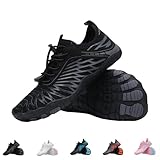
These are the go-to for someone who needs a no-fuss sneaker for errands, light walking, and standing shifts without spending much. Owners consistently praise the wide toe box that lets toes spread without pressure, and the non-slip outsole that inspires confidence on wet floors. The upper is soft and unstructured, which means broken-in comfort from the first wear. On the downside, the sole offers minimal arch support — a real issue if you also have plantar fasciitis or need structured cushioning over longer distances. Skip these if your neuropathy is accompanied by significant midfoot collapse or if you need orthotic-grade support built in.
SIOSNETA Barefoot Shoes
These appeal to people who want maximum ground contact while hiking or walking on uneven terrain. The ultra-thin sole lets the foot sense surface changes, which can partially compensate for reduced sensation by shifting proprioceptive load to the ankle and knee. Owners highlight the breathability of the mesh upper and the aggressive tread pattern for traction on loose gravel. The trade-off is that the thin sole provides almost zero protection from sharp objects or sustained pressure on rocky paths. If your neuropathy has left your feet largely insensate, this lack of underfoot protection is a genuine risk. Skip these for urban environments with glass or debris on the ground.
Dr. Scholl’s Pressure Relief Insoles
This entry is different from the rest — it’s an insole, not a shoe. For anyone whose neuropathy is mild enough that existing wide footwear works but pressure points still cause flare-ups, these insoles distribute load across the plantar surface and reduce peak pressure at sensitive spots. Owners report meaningful comfort gains in casual shoes and work boots alike. The limitation is sizing: they only come in one range covering men’s 8 through 14, so smaller feet or women’s sizes need trimming that can compromise the cushioning zones. Skip these if your current shoes lack the interior volume to accept an added insole without changing the fit.
Scurtain Zero Drop Walking Shoes
These target a slightly different problem than the first Scurtain entry: they combine a zero-drop platform with extra-wide construction specifically noted for bunion accommodation. The barefoot-style sole encourages natural gait mechanics, and the open interior depth suits swollen feet. Owners appreciate how the adjustable strap holds the heel without squeezing the midfoot, a common frustration with pull-on styles during edema flare-ups. The con is the casual aesthetic — these read as orthopedic footwear rather than lifestyle shoes, which limits versatility for work or social settings. If appearance matters to your daily context, consider whether the clinical look is acceptable before ordering.
Zureto Grounded Barefoot Footwear
These are a minimalist option sized well for smaller feet, with owners noting the secure lockdown despite the simple slip-on design. The wide toe box matches the shape of a natural foot, and the flexible sole bends at the metatarsal heads without resistance, reducing shear stress on sensitive forefoot nerves. Grounding claims aside, the practical benefit is that the sole’s thinness keeps the foot close to the ground for better balance feedback. The downside is durability: the upper material shows wear at the toe crease faster than the other options here, and owners with heavier builds report the sole compressing within a few months. Skip these if you log high mileage or need a shoe that lasts a full year.
FitVille Diabetic Slip-Ons
These cost more than every other entry combined, and they earn it in one specific scenario: severe swelling in an extra-wide foot. The double hook-and-loop straps let you loosen or tighten independently at the forefoot and ankle, which is essential when edema fluctuates between morning and evening. Owners with XX-wide fits call them a revelation after years of not finding shoes that close at all. The trade-off is bulk — the shoe has a chunky, protective profile that won’t pass as casual footwear in most settings. If your neuropathy is mild and your feet don’t swell significantly, the adjustment complexity isn’t worth the price premium over the Scurtain or Spesoul options.
Spesoul Wide Walking Shoes
These hit the sweet spot for active women who need a neutral walking shoe with room in the forefoot. The zero-drop platform supports natural foot mechanics, and the adjustable strap system lets you re-cinch during a long nursing shift or standing appointment without removing the shoe. Owners highlight the breathability and the wide width as the primary reasons they repurchased. The concern is heel lockdown: without a rigid counter, some owners with ankle instability report the heel sliding during brisk walking. Skip these if you rely on a firm heel cup for balance, or if your neuropathy has progressed to significant motor weakness in the ankle.
Barefoot Orthopedic Diabetic Sneakers
These serve as the generalist of this list — a wide-width sneaker with a barefoot-friendly sole that suits the broadest range of neuropathy severity without specializing in any single feature. Owners like the clean, simple design that looks more like casual footwear than orthopedic, making it easier to wear in mixed social or work contexts. The toe box width accommodates mild deformity and moderate swelling. The weakness is that it’s competent at everything but master of nothing: the sole is thinner than the Scurtain walking shoes and lacks the adjustability of the FitVille. If your needs are complex or severe, a more specialized option serves better.
Buying Guide
Toe Box Shape and Interior Width
Neuropathic feet need a toe box that mirrors the natural fan shape of the toes rather than a pointed or rounded-taper design. Look for shoes where the widest point sits at the metatarsal heads, not at the waist. The difference between “wide” as a marketing label and genuinely wide interior space comes down to whether the upper material stretches or the shoe is built on a wider last. Owner feedback is your best signal here — if people mention toes touching the sides, the last is too narrow regardless of the labeled width.
Sole Thickness and Ground Feel
Thick, cushioned soles feel protective but actually worsen neuropathy-related balance problems by blocking proprioceptive input. The ideal sole sits under six millimeters thick, is flexible enough to bend at the forefoot without forcing the shoe to do the work of your toes, and has a non-slip tread pattern for wet surfaces. Zero-drop or minimal heel-toe drops also help maintain natural ankle positioning, reducing the risk of catching the heel during a stride.
Adjustability for Swelling and Volume Changes
If you experience edema alongside neuropathy, your foot volume can change noticeably between morning and evening. Hook-and-loop straps, lacing systems, or elastic panels that can be loosened without removing the shoe are worth prioritizing over slip-on construction. The FitVille and Spesoul entries demonstrate how independent adjustment zones at forefoot and ankle solve this better than a single closure point.
Our Verdict
The Scurtain Zero Drop Walking Shoes are our top pick for most people dealing with neuropathy: they balance a genuinely wide toe box, zero-drop geometry, and adjustable strap retention at a price that makes trying a new footwear approach low-risk. For budget-focused buyers, the Scurtain Neuropathy Walking Shoes deliver the essential features for the least money. If your situation involves severe swelling or an extra-wide foot that can’t find a comfortable closing, the FitVille Diabetic Slip-Ons justify their price premium over everything else on this list.
FAQ
Do neuropathy shoes need special medical certification?
Most neuropathy footwear on this list is not a Medicare-approved therapeutic shoe, meaning you’ll pay out of pocket unless you have a prescription for orthopedic footwear specifically for diabetes. The functional design matters more than certification status for comfort and safety.
How often should I replace neuropathy shoes?
Owner reports suggest replacing these shoes when the sole begins compressing or the upper loses structural integrity, which for most materials occurs between six and twelve months of daily use. A worn sole eliminates the ground feel and traction these shoes depend on.
Can insoles replace the need for specialized shoes?
Dr. Scholl’s Pressure Relief Insoles can improve the fit of existing shoes, but they work best when the shoe already has adequate width and volume. Adding an insole to a narrow shoe compresses the interior space further, often worsening the problem neuropathy shoes are meant to solve.
Is barefoot footwear safe if you have numb feet?
Barefoot-style shoes improve proprioceptive feedback but remove cushioning protection. If your neuropathy has significantly reduced sensation, inspect your feet daily for cuts, blisters, or foreign objects that the thin sole won’t shield you from. Ground feel helps balance but cannot compensate for absent pain detection.