What's inside
As an Amazon Associate I earn from qualifying purchases. This post may contain affiliate links at no extra cost to you.
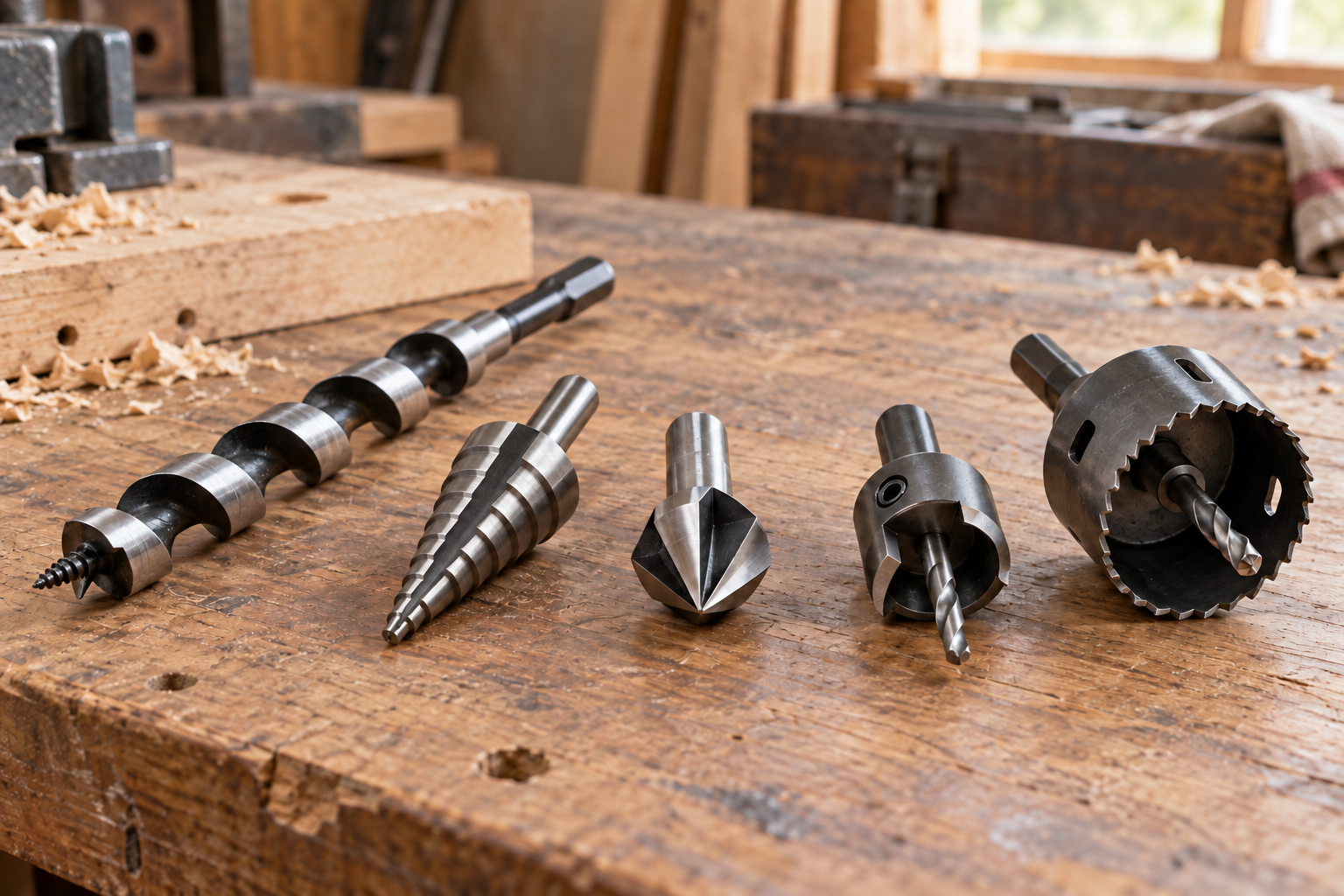
For a long cable run through thick timber, the best auger bit is usually a ship auger in the length that actually reaches the far side—not the longest bit you can find. Ship augers cut quickly, clear chips well and are made for deep holes. But they can grab hard, and a long bit magnifies any drilling mistake. The right choice depends on timber thickness, hole diameter, your drill and whether you can reach both sides.
As an Amazon Associate we earn from qualifying purchases at no extra cost to you.



Our Top Picks



What to buy for a deep cable hole
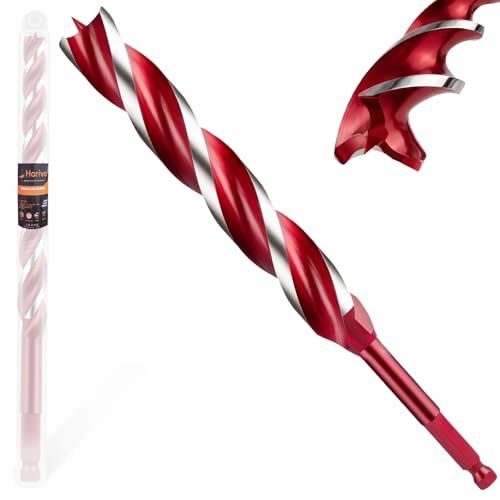
For most framing and renovation work, start with a long ship auger bit in the diameter allowed by your cable route and local code. Common cable holes are around 5/8 to 3/4 inch, but the permitted hole size and location depend on the framing member and wiring rules. Check those before drilling; a bit that fits the cable can still leave an oversized or badly placed structural hole.
Measure the full path, including any angle, and allow the bit’s cutting length to pass through the timber. A nominal 18-inch bit is not necessarily able to drill a clean 18-inch-deep hole: the lead screw and cutting head need room, and chips must escape. For timber thicker than roughly 12 inches, compare the usable reach carefully. If the bit cannot finish from one side, a longer bit is not automatically safer or straighter.
Long auger bit options compared
| Bit type | Best use | Strengths | Main drawback |
|---|---|---|---|
| Ship auger | Deep holes in framing timber | Fast cutting, good chip clearing, usually available in long lengths | Can self-feed aggressively and twist the drill |
| Standard auger | Shorter holes in wood | Affordable and effective for ordinary framing | Long versions may be harder to control or source |
| Self-feed bit | Large, shallow holes for plumbing or wiring | Fast in larger diameters | Bulky, high torque demand; poor fit for very deep narrow routes |
| Installer bit | Long, smaller-diameter cable paths | Flexible options and a useful eye for pulling wire | Slower, less suited to rapid large-diameter boring |
A long installer bit with a wire-pulling eye is worth considering for smaller cable holes or awkward routes. It is generally slower than an auger, but its narrow profile can be easier to steer. A self-feed bit is usually the wrong tool for a very deep cable run: its wide cutter takes more power and is difficult to keep aligned over a long distance.
Match the bit to the drill
Long augers put substantial torque on the operator. Use a drill with a side handle, a proper chuck that grips the bit’s shank securely, and a low-speed setting. A high-torque drill is useful, but high torque without control is a hazard: if the bit catches a knot or nail, the drill can rotate suddenly. A clutch is not a substitute for a side handle, particularly when boring a large hole.
Do not use an impact driver unless the bit maker specifically permits it. Most long augers are intended for a drill, and an impact driver can produce abrupt jolts that make the bit harder to control. Keep both hands on the drill, brace your stance, and stop if the housing or side handle begins to twist. Wear eye protection; chips can eject forcefully from the entry point.
How to make the hole cleanly
Mark the entry and exit points, then check for existing wiring, pipes, fasteners and structural restrictions. Keep the bit square to the surface in both directions. A small angle at the start becomes a noticeable miss at the far side: over a 16-inch run, a 2-degree error shifts the exit by about 1/2 inch.
Start slowly until the spur is seated, then increase speed only while the drill remains easy to control. Withdraw the bit periodically to clear packed chips, especially in wet, resinous or knotty wood. Forcing a clogged bit raises heat and torque, and can burn the timber or stall the drill. If the cutter stops advancing, back it out rather than leaning harder.
When possible, drill from both sides. Locate the exit with a pilot hole, then meet in the middle; this reduces tear-out and gives you a chance to correct alignment. For a single-sided run, use a guide or reference marks to keep the drill level, and check progress rather than assuming the bit is straight because it entered straight.
Common problems and when to choose a cheaper bit
A long auger can bind on a knot, an old nail or a crooked grain line. A dull spur may skate at the start, while worn cutters tend to tear instead of producing clean chips. Inspect the bit before buying or using it: chipped edges and a bent shaft are reasons to reject it. If it binds, release the trigger, keep a firm grip and reverse only if the drill and bit support reverse operation; do not yank a powered drill sideways.
You do not need a premium bit for one straight hole through dry, ordinary framing. A basic long wood auger bit is often adequate if the shank fits your drill, the cutting edges are sharp and the length covers the job. Pay more for repeated work, cleaner chip clearing, better durability or a specialized shank—not simply because a package claims extra reach.
Before drilling, confirm that the hole location and diameter are allowed for the timber and cable. If the route would require a dangerously large hole, pass through a prohibited zone or compromise a structural member, change the route or consult a qualified electrician or builder. The right bit cannot make an unsuitable hole safe.