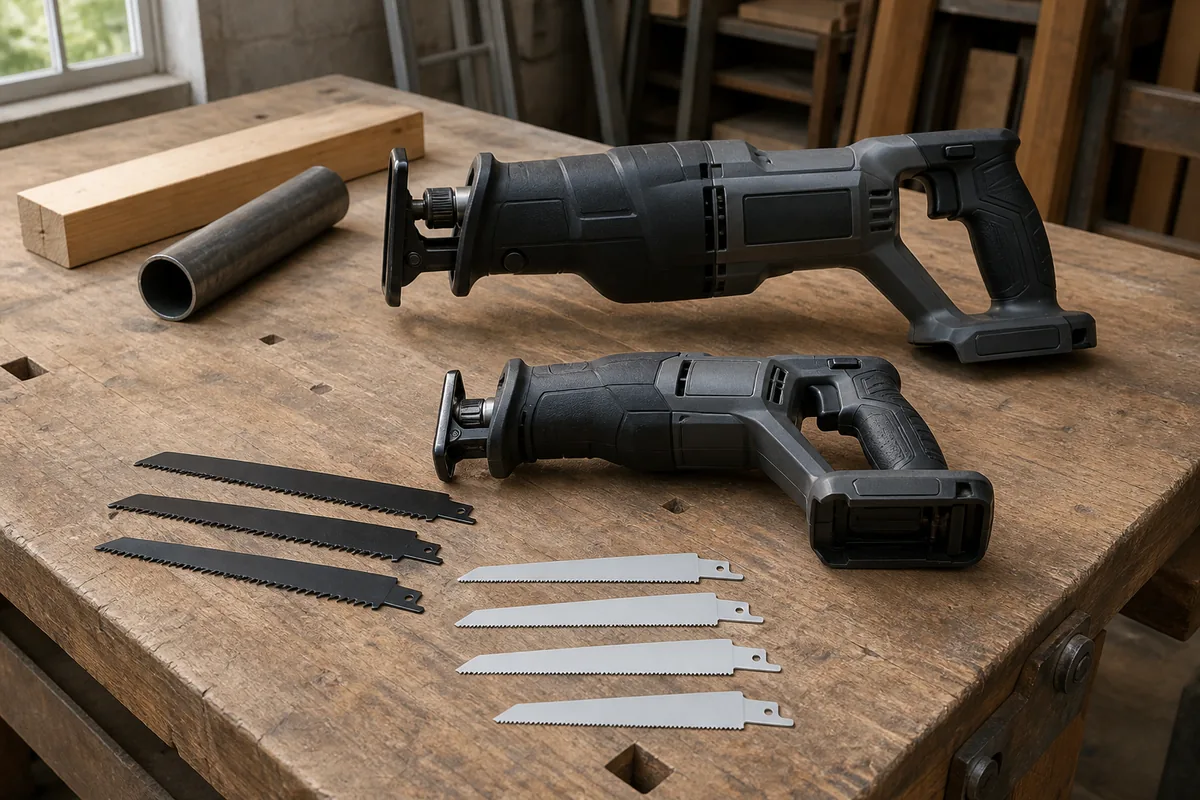
What's inside
- Corded vs Cordless Reciprocating Saw: Which Is Better for Cutting Through Nail-Embedded Studs?
- What Makes Nail-Embedded Studs Difficult to Cut
- Corded and Cordless Compared
- When a Corded Saw Is the Better Choice
- When a Cordless Saw Is the Better Choice
- Features That Actually Matter
- How to Make the Cut Without Destroying the Blade
- Which One Should You Buy?
As an Amazon Associate I earn from qualifying purchases. This post may contain affiliate links at no extra cost to you.
Our Top Picks
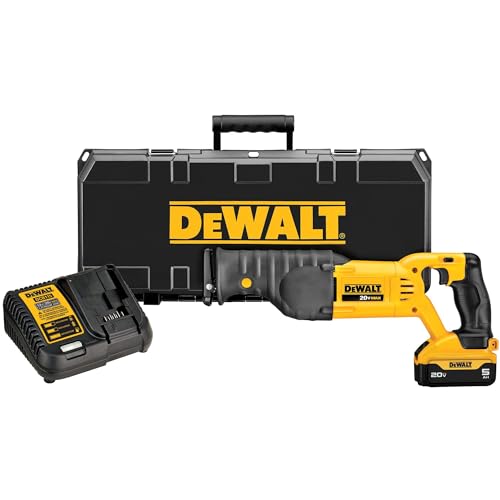
 DEWALT 20V MAX* Cordless Reciprocating Saw KitOne Size14.75 x 3.5 x 7.5 inches7 PoundsCheck on Amazon
 Milwaukee 2625-20 M18 18-Volt Lithium-Ion Cordless Hackzall Reciprocating0 x 0 x 0 inches3.99 poundsCheck on Amazon

Corded vs Cordless Reciprocating Saw: Which Is Better for Cutting Through Nail-Embedded Studs?
For cutting through a stud that still contains nails, a reciprocating saw is usually the fastest practical tool. The real choice is whether you want the unlimited runtime and steady output of a corded saw, or the mobility and simpler setup of a cordless model.
For occasional demolition, a cordless saw is often the better buy. For repeated remodeling, structural tear-out, or long cuts through several nailed studs, a corded saw still has a meaningful advantage. The saw matters, but the blade matters more: use a demolition blade rated for wood with embedded nails, not a standard wood blade.
As an Amazon Associate we earn from qualifying purchases at no extra cost to you.


What Makes Nail-Embedded Studs Difficult to Cut
A clean wood cut is relatively easy. A nailed stud is not. The blade moves through soft wood, hits steel nails, heats up, and then returns to wood. That alternating load can strip teeth, bend the blade, stall a weak saw, or make the tool kick back when the blade catches.
Most framing nails are roughly 0.113 to 0.162 inch in diameter, though older construction may include heavier nails, screws, staples, or metal plates. A blade must tolerate these interruptions without losing its cutting edge immediately.
A good starting point is a 6- to 9-inch bi-metal demolition blade with about 6 to 10 teeth per inch. Coarser blades cut faster in wood; finer blades generally survive metal contact better but cut more slowly. For heavily nailed material, look for a blade specifically labeled for nail-embedded wood or demolition work. Keep at least two spare blades nearby.
Corded and Cordless Compared
| Factor | Corded reciprocating saw | Cordless reciprocating saw |
|---|---|---|
| Power under load | Consistent for long, demanding cuts | Strong on modern platforms, but varies with battery and model |
| Runtime | Unlimited with a suitable extension cord | Limited by battery capacity and temperature |
| Mobility | Restricted by cord length and outlet access | Excellent for roofs, crawlspaces, vehicles, and unfinished rooms |
| Weight and balance | Often lighter than a cordless saw with a large battery | More convenient, but a 5.0Ah battery can add noticeable weight |
| Operating cost | Lower if you already have extension cords | Higher if batteries and a charger are not already owned |
| Best use | Continuous demolition and shop or jobsite work | Scattered cuts and locations without convenient power |
When a Corded Saw Is the Better Choice
A corded reciprocating saw makes sense when you expect to cut dozens of studs, remove a wall, or work for several hours at a time. It will not slow down as a battery drops from full charge to nearly empty. That consistent output helps when the blade is passing through several nails in one section of framing.
Corded saws are also often cheaper per unit of cutting power. If you do not already own batteries in a manufacturer’s tool system, compare the complete cost. A corded saw, a heavy-duty 12- or 14-gauge extension cord, and demolition blades may cost less than a cordless bare tool, charger, and 5.0Ah battery.
The drawbacks are practical rather than theoretical. The cord can snag on framing, get cut by the blade, or force you to work near an outlet. Never run a cord where the blade can contact it, and use a ground-fault circuit interrupter in damp or unfinished areas. If you are cutting in a wall cavity, attic, or crawlspace, cord management can erase much of the corded saw’s advantage.
When a Cordless Saw Is the Better Choice
Cordless is usually the better option for a few isolated cuts, exterior work, or demolition where you are constantly moving. You can climb a ladder, work inside a vehicle, or cut a stud in a cramped corner without dragging a cord behind you.
Modern high-voltage cordless saws can cut nailed framing quickly, but battery choice matters. A compact 2.0Ah battery keeps the saw lighter but may provide only a limited number of aggressive cuts. A 4.0Ah or 5.0Ah battery is a better match for demolition, although it adds weight and can make overhead work tiring.
If you already own a compatible battery platform, a cordless reciprocating saw bare tool is often the cheapest sensible choice. If you are starting from zero, include the battery and charger in the comparison rather than judging the bare-tool price.
Features That Actually Matter
Variable speed is useful for starting a cut and reducing blade chatter, but maximum strokes per minute is not the main specification. A saw with around 2,700 to 3,000 strokes per minute is capable of fast demolition; control and blade quality determine how much of that speed you can use.
An orbital action setting can speed up wood cutting, but it is not always desirable around nails. Orbital movement makes the blade travel in a more aggressive oval path, which can increase vibration and tooth damage when steel is encountered. Start with orbital action off for nail-embedded wood, then enable it only when cutting mostly clean lumber.
Look for a tool-free blade clamp, an adjustable or pivoting shoe, and a comfortable trigger. A pivoting shoe keeps more blade teeth engaged and reduces bending. Anti-vibration systems improve comfort during long demolition sessions, though they do not prevent kickback or make a dull blade safe.
How to Make the Cut Without Destroying the Blade
Mark the cut and check both sides for electrical cable, plumbing, and hidden brackets. Clamp or brace loose framing where possible. Fit a fresh bi-metal reciprocating blade for wood with nails, and extend only enough blade to reach through the stud. Excess blade length increases flex and vibration.
Start at low speed with the shoe firmly against the work. Increase pressure gradually, but do not force the saw when it stops cutting. If the blade binds, release the trigger and pull it out rather than twisting the tool. Twisting can bend the blade, damage the clamp, or cause the saw body to jerk toward you.
For flush cuts against a plate or adjacent framing, a flexible 6-inch blade is easier to control. For cutting through a thick stud from an accessible angle, an 8- or 9-inch blade gives more reach, but it also bends more easily. Wear eye protection, gloves, hearing protection, and sturdy footwear; nails often break free as the cut finishes.
Which One Should You Buy?
Buy corded if your main job is sustained demolition and you have dependable power nearby. It is the economical choice for repeated nail-filled cuts, especially if you do not need to climb or move far from the outlet. A corded demolition reciprocating saw is also a sensible first saw for a homeowner who expects only occasional use.
Buy cordless if convenience, access, and quick setup outweigh maximum runtime. If you already own batteries, a quality saw from that platform is usually worth choosing, even if its bare-tool price is higher. For most homeowners cutting a handful of nail-embedded studs, cordless is the more convenient option; for a full wall tear-out, corded remains harder to beat.