Key takeaways
- A neutral, table-led comparison of the major power tool brands ranked for durability, based on design philosophy, warranty terms, parts support and long-term platform behavior.
What's inside
As an Amazon Associate I earn from qualifying purchases. This post may contain affiliate links at no extra cost to you.
Durability is the hardest thing to shop for, because nothing on the box tells you about it. Every brand prints the same words: heavy duty, professional grade, brushless. What actually separates a tool that survives eight years of job site abuse from one that dies in eighteen months is usually mundane: whether the gearcase is metal or reinforced polymer, whether the switch is sealed against dust, whether the battery pack has real cell-level protection, and whether you can still buy a replacement armature or trigger in five years. This guide covers power tool brands ranked for durability using the things you can actually verify before you buy: design philosophy, breadth of range, warranty terms, service network, parts availability and how each brand behaves on price over time.
We are not going to quote failure rates or bench test numbers, because honest ones do not exist at the brand level. Instead this is a comparison desk view: what each company optimizes for, and which type of user gets punished by that choice. A brand that is excellent for a remodeling contractor can be a poor value for someone who builds two bookshelves a year, and the reverse is equally true.
As an Amazon Associate we earn from qualifying purchases at no extra cost to you. Product prices and availability are accurate as of the date shown and are subject to change.




| Brand | Design Philosophy | Durability Profile | Best Suited To |
|---|---|---|---|
| Milwaukee | Overbuilt for trades, tool-first | Metal gearcases, sealed electronics, heavy | Daily professional use, mechanical trades |
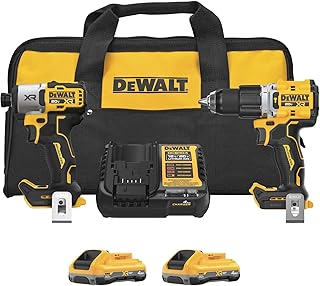
| DeWalt | Balanced pro tools, huge distribution | Robust, well-supported, wide quality band | Contractors and serious DIY who want service access |
| Makita | Precision and thermal management | Long motor life, lighter feel, tight tolerances | Finish carpentry, all-day handheld work |
| Bosch | Engineering-led, ergonomics focus | Excellent core tools, smaller US cordless range | Rotary hammers, jigsaws, precision work |
| Metabo HPT | Value pro, fastener heritage | Strong nailers and framing tools | Framing crews and outdoor work |
| Ryobi | Consumer platform breadth | Adequate for intermittent use, huge battery family | Homeowners, occasional projects, yard tools |
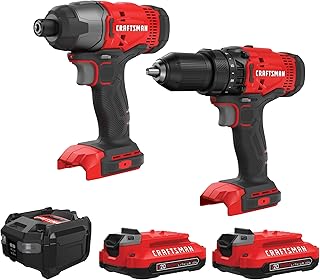
| Craftsman | Entry-price legacy brand | Light-duty internals, easy to replace | Basic home repair, low-frequency tasks |
How To Judge Durability Without Test Data
There are four signals that correlate well with tools lasting, and none of them require a lab. The first is weight distribution and housing material. Pick up two impact drivers at the same price and the heavier one is usually carrying a metal gear housing and a bigger heat sink. That extra mass is the durability. Consumer-tier tools shed weight by moving load-bearing parts to plastic, which is fine until the tool gets hot or dropped off a ladder.
The second is sealing. Dust kills more tools than torque does. Look at the trigger area, the vents and the battery terminals. Brands that build for trades tend to gasket the switch and route cooling air so it does not blow concrete dust straight across the electronics. This is why the same nominal spec can survive a masonry job in one brand and fail in another.
The third is parts availability. Search the brand plus “parts diagram” and see whether exploded views and orderable components come up for tools that are several years old. A brand that publishes service schematics is telling you it expects the tool to be repaired. A brand that sells you a whole new tool as the only fix is telling you the opposite.
The fourth is battery platform age and continuity. Cordless durability is mostly battery durability. Platforms that have run for a decade or more without abandoning backward compatibility protect your investment far better than a brand that resets its battery line every few years. All the major pro platforms score well here; the risk sits with off-brand and store-exclusive systems.
Power Tool Brands Ranked For Durability, Tier By Tier
Ranking brands as single entities is imperfect, because every large manufacturer sells a homeowner line and a professional line under the same badge. The rankings below refer to each brand’s flagship cordless family, which is where the engineering effort goes.
Tier 1: Built To Be Abused
Milwaukee sits at the top for raw survivability in the FUEL line. The design bias is unmistakable: metal where it matters, generous thermal mass, and electronics that are protected rather than merely present. The tradeoff is weight and price. Milwaukee tools are frequently the heaviest option in their class, and the brand rarely discounts aggressively outside of holiday battery bundles. If you use a tool every working day, that is the right trade. If you use it monthly, you are paying for headroom you will never reach.
Makita earns the same tier through a different route. Rather than adding mass, Makita chases thermal control and tight mechanical tolerances, which is why LXT tools often feel lighter yet keep running through long duty cycles. Motor longevity is the brand’s reputation, and the ergonomics reduce operator fatigue on all-day work. The weakness is US market presence: fewer big box endcaps, fewer promotional bundles, and in some regions a thinner service footprint than DeWalt.
Professional Cordless Combo Kits
If durability is your priority, buy into a pro platform through a combo kit rather than assembling bare tools one at a time. Kits carry most of the battery and charger cost, which is the expensive part, and they lock you into a system that will still be supported years from now. Compare kits by what batteries are included, not by the tool count.
Tier 2: Robust With A Wide Quality Band
DeWalt is the most nuanced case in this comparison. The XR and top-tier cordless tools are genuinely durable and the service network in the US is the best of any brand, with widespread authorized repair and easy parts access. What complicates the ranking is the breadth: DeWalt also sells value-tier cordless tools on the same battery platform, and those are built to a different standard. Buy at the top of the DeWalt range and you get tier-one durability with tier-one support. Buy at the bottom and you get a homeowner tool in a yellow shell. The battery platform itself is a strong reason to choose the brand, since it spans an enormous tool count and holds compatibility well.
Bosch is engineering-led and its core categories are exceptional. Rotary hammers, jigsaws, and rotary tools from Bosch tend to outlive competitors, and vibration control and switch quality are consistently good. The limitation in the US market is range: the cordless lineup is narrower than the top three, so building a whole shop around it means either accepting gaps or running two battery systems. As a specialist purchase it is one of the most durable choices available.
Metabo HPT carries strong fastener heritage and its framing and outdoor tools are built for rough treatment at a price below the tier-one brands. The cordless range is smaller, and brand recognition issues after the Hitachi rename have kept resale and accessory availability behind the leaders. For framing crews it is often the highest durability per dollar in this comparison.
Where Consumer Brands Actually Make Sense
It is a mistake to read this ranking as a directive to buy the most durable brand available. Durability is only valuable if you consume it. A homeowner drilling forty holes a year will never wear out an entry-level drill, and money spent on overbuilt internals is money not spent on more tools.
Ryobi is the clearest example. The internals are built for intermittent use and the tools are not intended for daily trade abuse, but the platform breadth is remarkable, covering yard equipment, inflators, fans, lights and specialty tools that pro brands either do not make or price far higher. For someone who wants one battery to run a string trimmer, a drill and a shop light, the total cost of ownership argument beats the durability argument comfortably. The battery platform has also held compatibility for a long time, which is the durability that matters most to a homeowner.
Craftsman occupies the entry price tier. It is a reasonable choice for basic home repair and low-frequency tasks, and hand tool coverage remains a strength. Treat the cordless tools as consumables rather than long-term investments.
- ✔ Pro-tier platforms hold battery compatibility for a decade or more
- ✔ Published parts diagrams mean tools can be repaired rather than replaced
- ✔ Metal gearcases and sealed switches survive dust and drops
- ✔ Wide range means one battery covers most of your work
- ✘ Pro tools are heavier and cost noticeably more per tool
- ✘ Every major brand also sells value-tier tools under the same badge
- ✘ Switching platforms later means buying all new batteries
- ✘ Warranty length varies by tool type, so the headline number can mislead
Warranty, Service And Price Behavior
Warranty terms are where marketing and durability diverge most. Most major brands land in a similar range for cordless tools, typically around three years on the tool with a shorter term on batteries, and some offer additional coverage on registration. The important detail is not the number of years but what is covered and how hard the claim is. Batteries almost always carry a shorter warranty than tools, and consumables, chucks and cords are usually excluded. Read the battery term specifically, since that is the part most likely to fail.
Service access is the underrated factor. A tool that can be dropped at a local authorized center and returned in a week is functionally more durable than a tool that must be shipped across the country. DeWalt and Milwaukee generally lead here in the US, with Makita and Bosch strong but more regionally variable.
Price behavior differs sharply by brand and matters if you are building a kit over time. Pro brands tend to discount through bundles and battery giveaways rather than by cutting tool prices, and those promotions cluster around late spring and the holiday period. Consumer platforms discount more continuously. If you are buying into a pro system, waiting for a kit promotion is usually worth more than shopping individual tool prices.
Brushless Impact Driver And Drill Sets
The drill and impact driver pair is where durability differences show up fastest, because these two tools take the most abuse. If you buy one pro-grade pair and fill the rest of your kit with value-tier tools on the same battery, you get most of the longevity benefit without paying pro prices across the board.
Choosing A Platform You Will Not Regret
Pick the brand around your heaviest recurring task, not your average one. If concrete, metal or fasteners are part of your week, buy tier one and accept the weight. If the heaviest thing you do is hang a door twice a year, buy the platform with the widest range of things you will actually use, and spend the savings on better bits, blades and a decent dust extractor. Accessories fail far more often than tools do, and cheap blades will make an excellent saw feel broken.
Whichever way you go, commit to one battery family for the bulk of your kit. The most common expensive mistake is not buying the wrong brand, it is owning four brands and eleven chargers.
High Capacity Battery Packs
Batteries are the component most likely to end a tool’s useful life, so buy first-party packs from your chosen platform and keep at least one high capacity pack for saws and grinders. Third-party packs are cheaper but often lack the cell protection that keeps the tool’s electronics safe.
FAQ
Which power tool brand lasts the longest? For daily trade use, Milwaukee’s FUEL line and Makita LXT have the strongest reputations for surviving years of hard duty, for different reasons: Milwaukee through mass and sealing, Makita through thermal management and tolerances. For most users the more useful answer is that the top-tier line of any major brand will outlast the value tier of every brand, so buying up within a brand matters more than picking between brands.
Are brushless tools more durable than brushed? Generally yes. Brushless motors remove the carbon brushes that wear out and need replacing, run cooler, and are usually paired with better electronics and gearing. That said, a brushless motor in a plastic gearcase is not automatically tougher than a well-built brushed tool. Treat brushless as one good sign rather than proof of durability.
Is it worth buying pro tools for home use? Sometimes. If you own a home with a workshop and take on real projects, one pro-grade drill and impact driver will likely be the last pair you buy. But for occasional use, a consumer platform with a broad range of yard and household tools usually delivers more usable value than an overbuilt kit that sits in a case eleven months a year.
Check prices on Amazon →