What's inside
As an Amazon Associate I earn from qualifying purchases. This post may contain affiliate links at no extra cost to you.
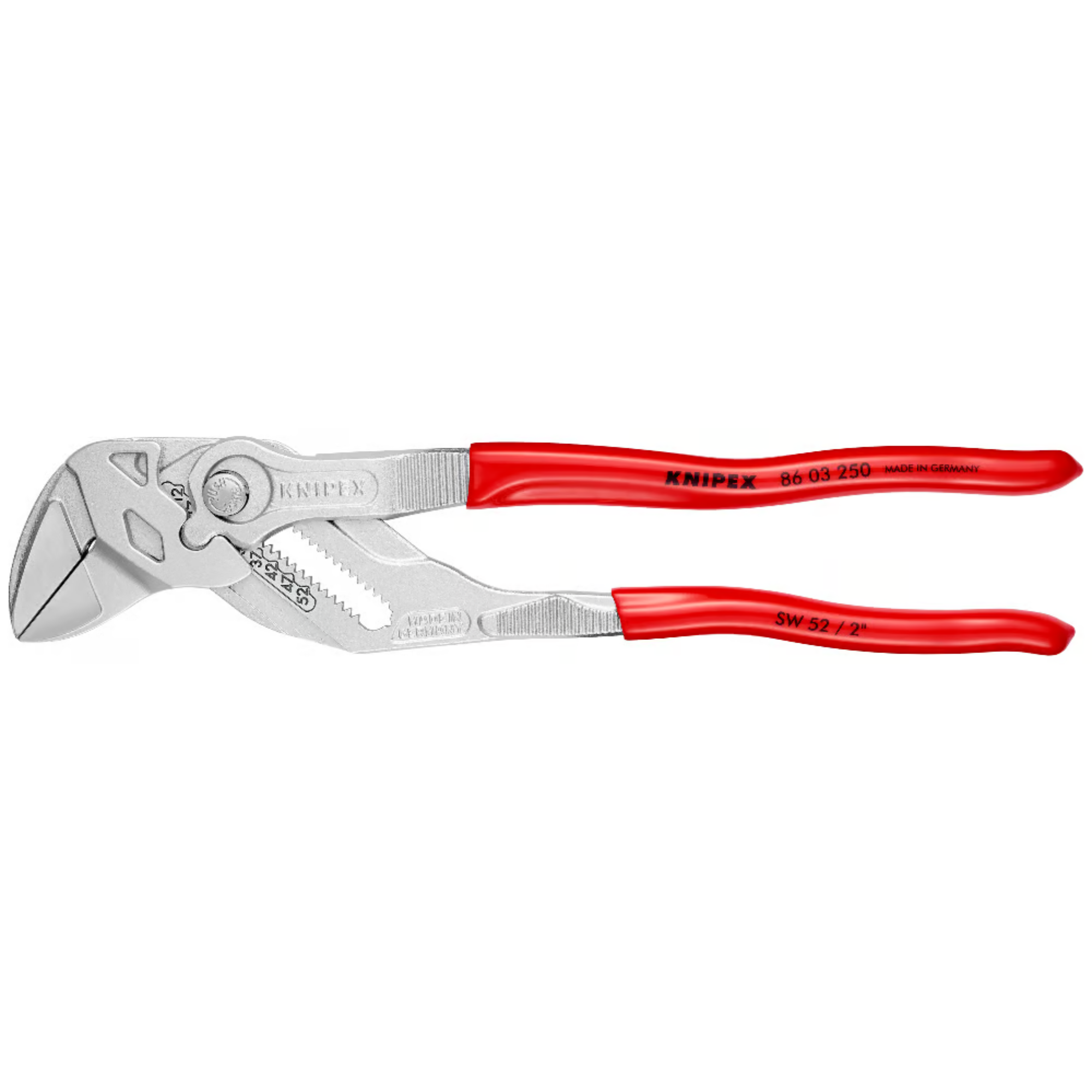
For clean, chrome-plated fittings, the Knipex Pliers Wrench is generally the safer of the two tools. Its smooth, parallel jaws grip across a broad area instead of biting into the surface. The Knipex Cobra is a better choice when a fitting is stuck, rounded, or too awkward to turn by hand—but its serrated jaws can leave marks on chrome.
Neither tool guarantees a scratch-free result. Dirt trapped between a jaw and the fitting, excessive force, or a poor grip can damage the finish. If the chrome must remain pristine, use a strap wrench or a purpose-made soft-jaw tool instead.
As an Amazon Associate we earn from qualifying purchases at no extra cost to you.


Our Top Picks
How the jaws differ
The Pliers Wrench closes with smooth, flat jaws that stay parallel as you squeeze. Its push-button adjustment sets the opening, and hand pressure transfers to the fitting through the jaw faces. Because the jaws do not have teeth, they are less likely to gouge chrome under normal use.
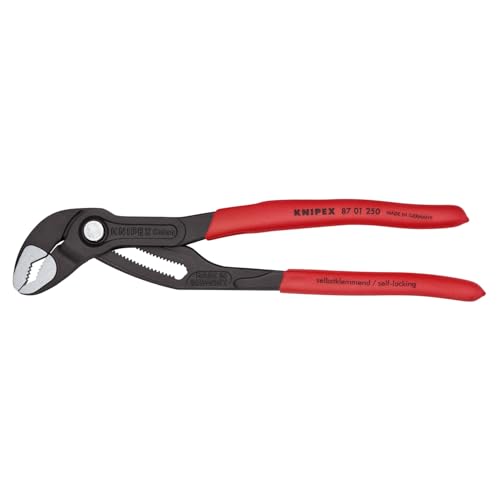
The Cobra is a water-pump plier with curved, toothed jaws. Its teeth are designed to bite into a workpiece and resist slipping. That grip is useful on pipe and rough or damaged hardware, but the same teeth can scratch or dent a plated surface. Wrapping the jaws can reduce the risk, though a loose or thin wrap may slip or bunch under load.
| Factor | Knipex Pliers Wrench | Knipex Cobra |
|---|---|---|
| Jaw surface | Smooth and parallel | Curved with serrated teeth |
| Chrome-marking risk | Lower, with clean jaws and a sound grip | Higher; teeth can leave visible marks |
| Grip on rough or damaged parts | Less secure if the part is slippery or rounded | Stronger bite on suitable workpieces |
| Best use here | Plated nuts and fittings you want to preserve | Stuck, rough, or non-decorative parts |
What can go wrong on chrome
Chrome is a hard surface, but it is not immune to damage. A Cobra tooth can scratch the plating quickly if the tool slips or you turn hard against a tight fitting. Even without a dramatic slip, clamping force concentrated at the teeth may leave a pattern in the finish. Once the plating is cut, the exposed layer beneath it may corrode.
The Pliers Wrench reduces that particular risk, but it can still mark a fitting. Grit or metal chips on the jaws can act like abrasives. If the jaws contact only an edge, or the fitting is too small for the chosen adjustment, pressure can concentrate on a narrow spot. A wrench that rocks instead of sitting square can also slip and scuff the surface.
Before either tool goes on the fitting, wipe the jaws and the work area. Set the tool so the jaws sit squarely on the flats, and make sure they contact as much of the flat as the fitting allows. Pull with controlled pressure rather than jerking. If the tool starts to walk off the flats, stop and reset it.
Which tool should you buy?
If your regular jobs involve faucet connections, plated valves, decorative hardware, or other finished fittings, choose a Knipex Pliers Wrench. It is the more finish-conscious option and can also handle many nuts and bolts without the tooth marks a conventional pipe-gripping jaw may leave.
If you mainly need a strong grip on pipe, rough plumbing parts, or fasteners that are already damaged, a Knipex Cobra is the more suitable tool. It is not automatically the wrong choice for chrome: a loose fitting on a non-visible surface may not justify buying another tool. But direct contact between the Cobra’s teeth and a visible plated finish is a risk worth avoiding.
If you are buying one tool specifically to work on chrome, the Pliers Wrench is the straightforward pick. If you already own a Cobra, keep it for rough work and use a soft-jaw or strap wrench when the finish matters. For a single occasional job, a soft-jaw adjustable wrench may be enough, though its inserts can reduce grip and need to be fitted securely.
Use either tool without making the damage worse
First check whether the fitting is intended to turn. On plumbing connections, turning the wrong nut can twist a supply line or disturb a seal. Hold the adjoining part steady with a second tool when needed, so you are not loading the pipe or valve body while loosening the fitting.
Adjust the Pliers Wrench so it fits the flats closely; do not rely on a nearly closed or poorly seated jaw. On the Cobra, use the adjustment position that gives a secure bite without forcing the tool onto the fitting. Do not compensate for a slipping grip by squeezing harder against the chrome. Clean the part, improve the jaw contact, or switch to a tool designed not to mark it.
For a fitting that will not move, consider why before adding force. Corrosion, thread-locking compound, or an opposing nut may be the cause. Excessive force can round flats, crack a brittle fitting, or twist attached plumbing. If a part is visibly corroded, badly rounded, or connected to a fragile valve, replacing it or getting professional help may be safer than escalating leverage.
The practical choice
For chrome-plated fittings you want to keep presentable, start with the smooth-jawed Pliers Wrench, use clean jaws, and keep the tool square on the flats. The Cobra offers more bite, but its serrations make it the riskier direct-contact choice on chrome. When even a small scuff is unacceptable, skip both and use a properly fitted soft-jaw or strap wrench.