
What's inside
As an Amazon Associate I earn from qualifying purchases. This post may contain affiliate links at no extra cost to you.
The best art easels depend on where you work: choose a stable A-frame or H-frame for regular studio painting, a folding French easel for outdoor work, and a lightweight tabletop easel for small canvases and limited space.
As an Amazon Associate we earn from qualifying purchases at no extra cost to you.


Our Top Picks
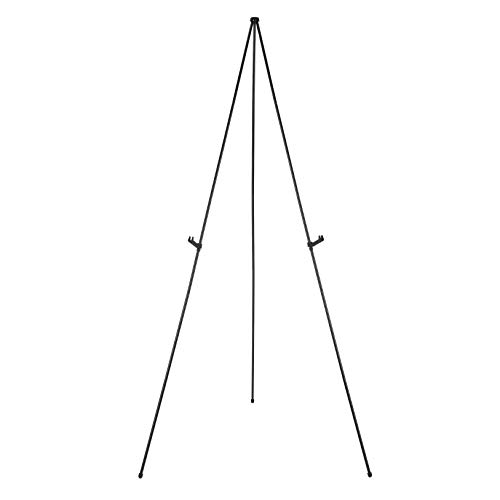 Amazon Basics Easel Display Stand39.17"D x 43.5"W x 60.83"H39.17 x 43.5 x 60.83 inchesCheck on Amazon
 Artbreezing Mixed Media Art Set with Art EaselCompact15.3 x 11.2 x 3.5 Inches6 poundsCheck on Amazon


Best art easels by situation
| Working situation | Best easel type | Typical height range | Canvas capacity | Typical weight | Expected market price |
|---|---|---|---|---|---|
| Small apartment or desk | Tabletop or miniature studio easel | 20–55 cm | Up to 60 cm high | 0.5–3 kg | $20–$100 |
| Beginner using small and medium canvases | Adjustable A-frame | 55–150 cm | Up to 90 cm high | 2–7 kg | $50–$180 |
| Frequent studio painting | H-frame studio easel | 70–250 cm | Up to 150–180 cm high | 8–30 kg | $150–$900+ |
| Outdoor painting and travel | French easel or pochade-box system | 50–170 cm | Up to 80 cm wide | 2–8 kg | $90–$450 |
| Large canvases and heavy mixed media | Heavy-duty H-frame or wall easel | 100–300 cm | 150 cm or more high | 15–45 kg | $300–$1,500+ |
These are useful planning ranges rather than guarantees. Maximum canvas size depends on the easel’s center of gravity, rail depth, adjustment mechanism, and the weight of the artwork, not only the advertised height.
Head-to-head: which easel type fits your work?
A-frame easels: the best starting point for many beginners
An A-frame easel has three legs and a triangular profile. It usually folds more compactly than an H-frame, costs less, and is easier to move between rooms. Many adjustable versions support both seated and standing work, with a lower ledge for small canvases and an upper clamp for taller ones.
The trade-off is stability. A narrow A-frame can sway when you apply heavy brush pressure, especially with a large wet canvas. Look for a broad front rail, a rear leg that locks firmly, and a canvas support at least 4–6 cm deep. A-frame easels are a good choice for beginners, occasional painters, and artists working with canvases up to roughly 60 × 90 cm.
H-frame easels: the strongest choice for a permanent studio
H-frame easels use two vertical posts and a wide base, giving them the best resistance to side-to-side movement. Their height adjustment is usually more precise, and many can hold a canvas low enough for seated work or high enough for standing work. Some studio models tilt forward or backward, which is useful for watercolor, detailed drawing, and mixed-media work.
The disadvantage is the footprint. A model with a 60 × 70 cm base can occupy valuable floor space even when no painting is mounted. It may also weigh 10 kg or more and require assembly. Choose an H-frame if you paint several times a week, work on large surfaces, or dislike stopping to steady the support.
French easels: portable, self-contained, and imperfect
A French easel combines a folding tripod, canvas supports, and a wooden box for paints and brushes. It is practical for plein-air oil or acrylic painting because it can carry a small palette and supplies. Most support canvases in the 30 × 40 cm to 50 × 70 cm range.
Its compromises are bulk and adjustment speed. Hinges, brass catches, shoulder straps, and folding legs receive repeated wear. The box also adds weight compared with a simple tripod. Check that the legs lock without slipping and that the palette compartment closes securely before carrying it outdoors.
Tabletop easels: compact but limited
Tabletop easels are appropriate for studies, miniatures, icons, small canvases, and occasional sketching. They occupy little storage space and can cost less than a full-size floor easel. A good model should have a non-slip base, a ledge deep enough for your support, and an adjustable back leg.
They are not a substitute for a standing easel when you work on large paintings. A tabletop easel also transfers brush movement to the desk, so a lightweight model can vibrate or slide. A rubberized base and a table weighing at least twice as much as the easel improve stability.
Material quality matters more than decorative finish
- Wood: Beech is common in quality easels because it is dense and reasonably stable. Pine can work well at lower cost but may dent or warp more easily. Inspect joints for tight-fitting tenons, screws, or bolts rather than relying on glue alone.
- Metal: Steel offers rigidity but adds weight. Aluminum is lighter and useful for travel, although thin tubing can flex. Anodized or powder-coated surfaces resist scratches and corrosion better than bare metal.
- Hardware: Threaded knobs should turn smoothly and clamp without excessive force. Wing nuts that bottom out before gripping the rail are a warning sign.
- Rails and ledges: A broad, square rail supports stretched canvas more reliably than a narrow rounded bar. Felt or cork padding helps protect finished frames.
- Feet: Rubber feet are preferable for wood or tile floors. Outdoor easels benefit from pointed or adjustable feet, but these can damage interior flooring.
Height and canvas sizing: make the numbers work
For standing work, position the center of the painting close to your natural eye level. A practical starting point is to place the canvas center 5–15 cm below your standing eye height, then adjust based on whether you paint broad strokes or fine details. For seated work, the canvas center is often 10–25 cm above the tabletop.
Allow extra adjustment room instead of buying an easel that barely reaches your canvas size. A 100 cm-high canvas needs more than 100 cm of rail travel: the lower support, top clamp, frame thickness, and viewing angle can consume 15–25 cm. As a simple check, if the easel advertises 120 cm of vertical travel and your canvas is 100 cm high, only about 20 cm remains for clamps and positioning. That is workable, but not generous.
Also account for the frame around a stretched canvas. A canvas measuring 60 × 80 cm may sit in a frame or cradle that adds several centimeters to each dimension. When comparing capacity, use the complete mounted size rather than the raw canvas sheet.
A practical decision matrix
| Your priority | Recommended choice | Why | What to avoid |
|---|---|---|---|
| Lowest sensible cost | Basic adjustable A-frame | Useful height range without a large footprint | Very thin rails and non-locking hinges |
| Painting one or two times monthly | Tabletop or folding A-frame | Easy to store and adequate for small work | Oversized studio easels that remain unused |
| Painting several times weekly | H-frame studio easel | Better stability and faster repeatable setup | Lightweight travel easels for large canvases |
| Outdoor painting | French easel or pochade system | Combines support and supply storage | Unsealed wood in wet conditions |
| Large, heavy, or textured work | Heavy-duty H-frame | Wide base and stronger clamping pressure | Narrow tripods and loose friction joints |
| Very limited floor space | Tabletop or wall-mounted easel | Uses a desk or wall rather than a floor area | Deep-base studio models |
Ownership costs and maintenance
The purchase price is only part of the cost. A $120 folding easel used twice a month for three years provides about 72 sessions, or approximately $1.67 per session before replacement parts. A $500 studio easel used three times a week for five years provides roughly 780 sessions, or about $0.64 per session. The more frequently you paint, the more worthwhile stability and durable hardware become.
Dust and dried paint are the most common causes of poor adjustment. Wipe rails and threaded knobs after each session, and remove acrylic residue before it hardens. Do not force a jammed wooden adjustment screw; loosen dried material with a plastic tool and use only a small amount of manufacturer-approved lubricant on metal threads. Keep wooden easels away from radiators, damp garages, and direct sunlight, where rapid humidity changes can cause joints to loosen or wood to warp.
The parts most likely to wear first are rubber feet, straps, wing nuts, friction washers, and folding-leg hinges. Before buying, check whether these parts are standard hardware or replaceable components. A slightly more expensive easel with available knobs and feet can remain useful long after a cheaper model becomes unstable.
Final buying recommendation
For most beginners, an adjustable A-frame with a 55–150 cm height range, a 60–90 cm canvas capacity, and a locking center rail is the best balance of price, portability, and usability. Choose a tabletop model when storage is the main constraint. Move to an H-frame when you paint frequently, use canvases larger than about 60 × 90 cm, or need the support to remain completely steady. For outdoor work, prioritize secure leg locks, weather-resistant finishes, and manageable packed weight over maximum canvas height.