What's inside
As an Amazon Associate I earn from qualifying purchases. This post may contain affiliate links at no extra cost to you.
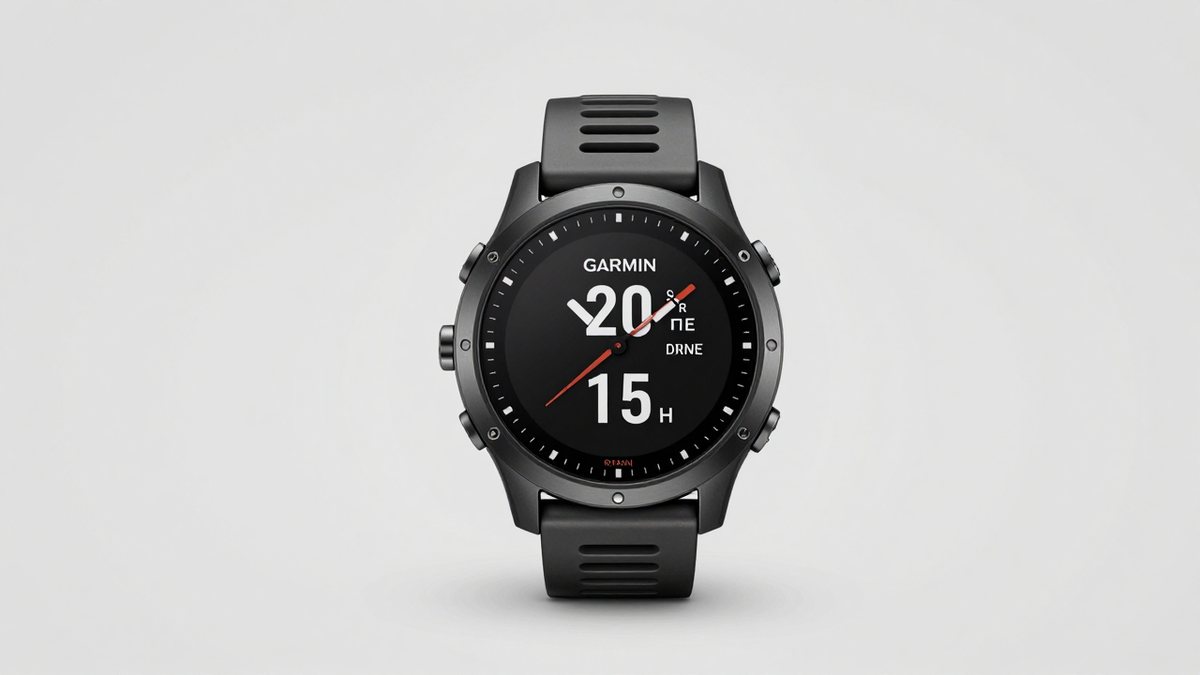
The best Garmin dive watches for most divers are the Descent G1 Solar for long battery life and value, the Descent G1 for an affordable all-round computer, and the Descent Mk3i for divers who want air integration, advanced navigation, and a premium AMOLED display.
As an Amazon Associate we earn from qualifying purchases at no extra cost to you.


Our Top Picks

Quick picks by dive style
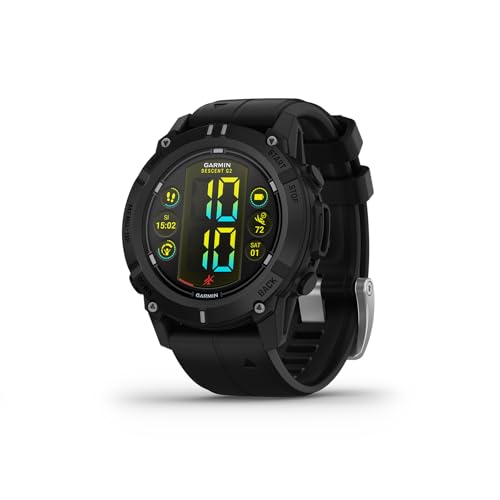
- Best value for recreational diving: Garmin Descent G1. It has a compact, rugged design, a long-lasting monochrome display, and support for recreational dive modes without the cost of Garmin’s premium models.
- Best for frequent travel and surface use: Garmin Descent G1 Solar. Solar charging can extend time between charges, while the watch remains practical for hiking, training, and everyday wear.
- Best for air integration: Garmin Descent Mk3i. When paired with Garmin Descent T2 transmitters, it can display tank pressure and related air information directly on the watch.
- Best compact premium option: Garmin Descent Mk3 43 mm. It offers the premium Mk3 platform in a smaller case for narrower wrists or divers who dislike oversized computers.
- Best for technical divers and large wrists: Garmin Descent Mk3i 51 mm. Its larger screen and battery are useful when navigating complex dives or running multiple dive modes, though its size and price are substantial.
Garmin dive-watch comparison
Garmin’s Descent watches are dive computers as well as multisport GPS watches. The figures below are useful for comparing the models, but battery performance varies with GPS use, screen settings, temperature, dive mode, and sensor connections. Always confirm the current regional specification before buying.
| Model | Case size | Approx. weight | Dive rating | Advertised dive battery | Air integration | Best fit |
|---|---|---|---|---|---|---|
| Descent G1 | 45 mm | Approximately 66 g | Up to 100 m | Up to 25 hours | No built-in transmitter support | Recreational divers seeking value |
| Descent G1 Solar | 45 mm | Approximately 66 g | Up to 100 m | Up to 25 hours | No built-in transmitter support | Travelers and infrequent chargers |
| Descent Mk3 | 43 mm | Approximately 60 g | Up to 200 m | Up to about 30 hours | No transmitter included | Premium recreational divers wanting a smaller watch |
| Descent Mk3i | 43 or 51 mm | Approximately 60 to 101 g | Up to 200 m | Up to about 30 to 66 hours, depending on size | Yes, with Descent T2 | Air-integrated recreational and technical diving |
Garmin’s advertised figures are maximums under selected conditions rather than guaranteed real-world runtimes. The G1’s monochrome display is a benefit here: it uses less power and remains readable in bright conditions. The Mk3 and Mk3i use AMOLED displays, which are more vivid but generally require more careful charging if you use GPS, maps, music, and frequent dive sessions.
Choose by depth, air integration, and battery
For ordinary recreational dives to 40 metres
The Descent G1 is enough for most open-water recreational use. Its 100-metre water rating is well beyond the normal recreational depth limit, and its dive computer functions cover common single-gas and freediving scenarios. It is also less expensive than the Mk3 family, with general market pricing typically falling in the mid-hundreds rather than the premium four-figure range.
Choose the G1 Solar instead if you spend long periods outdoors between dives or dislike charging devices. Solar charging is not a substitute for a full charge before a dive trip, but it can reduce standby charging during bright outdoor use.
For air integration and team awareness
The Descent Mk3i is the clear choice. Pair it with one or more Descent T2 transmitters to view cylinder pressure and air-related data on the watch. A transmitter is an additional purchase, and each diver must configure the system correctly before relying on it underwater.
Air integration is most valuable when you regularly monitor gas consumption, dive with multiple cylinders, or want pressure data alongside depth, time, and decompression information. It is less compelling for occasional shallow dives if adding transmitters would significantly increase the total cost.
For technical diving
The Mk3i 51 mm provides the most suitable Garmin package for divers who need a large display, longer battery capacity, multiple gas support, and air integration. Its greater case size leaves more room for reading information at a glance, particularly when wearing thick gloves or dealing with poor visibility.
However, a dive rating is not the same as technical-diving suitability. Your training, gas planning, backup instruments, decompression procedures, and agency-approved equipment remain more important than the watch. Treat the Garmin as one part of a redundant system, not the only device keeping track of a complex dive.
Fit matters more than the case measurement suggests
A 51-mm dive watch can feel much larger than a normal everyday watch because the strap must fit over a wetsuit or drysuit. Measure your wrist circumference, then measure the thickness of the suit sleeve where the watch will sit. A watch that fits a bare wrist may become uncomfortable or impossible to secure over exposure protection.
For a practical sizing test, add the suit thickness to your wrist circumference and compare that measurement with the strap’s usable adjustment range. For example, a 175-mm bare wrist with a 5-mm wetsuit sleeve on each side has an approximate wearing circumference of 185 mm. Select a strap with several adjustment positions above 185 mm rather than one that only reaches that measurement at its final hole.
The 43-mm Mk3 or Mk3i is generally easier to wear on a smaller wrist. The 45-mm G1 occupies a middle position, while the 51-mm Mk3i suits larger wrists and divers who prioritize screen area and battery over low profile.
Decision matrix: which Garmin should you buy?
| Your situation | Recommended model | Why | Main compromise |
|---|---|---|---|
| Fewer than 10 dive days per year | Descent G1 | Lower cost and long battery life cover core dive needs | Less vivid display and no air integration |
| Frequent travel with limited access to charging | Descent G1 Solar | Efficient display plus solar-assisted endurance | Solar benefit depends on light and usage |
| Narrow wrist or everyday watch use | Descent Mk3 43 mm | Premium features in a smaller form | Shorter endurance than the largest model |
| Regular diving with cylinder-pressure monitoring | Descent Mk3i 43 or 51 mm | Supports Descent T2 air integration | Higher total cost after buying transmitters |
| Technical training, multiple gases, and large gloves | Descent Mk3i 51 mm | Largest screen and longest listed dive runtime | Bulky, heavy, and expensive |
Ownership details that affect the buying decision
Rinse the watch, buttons, strap, and transmitter with fresh water after every saltwater dive. Pay particular attention to crevices around the charging contacts and pressure-transmitter connection. Let everything dry before charging or storing it. Salt crystals, sand, and sunscreen residue are more likely to cause day-to-day problems than ordinary water exposure.
Inspect the strap, buckle, charging cable, and transmitter battery regularly. Straps are consumable items: ultraviolet exposure, salt, chlorine, and repeated stretching eventually make silicone less flexible. Replace a strap when it shows cracking, permanent distortion, or damaged keeper loops. Do not use a damaged strap for an important dive simply because the watch body still looks new.
Descent T2 transmitters also add maintenance and pre-dive checks. Confirm the transmitter is paired, the cylinder assignment is correct, the battery status is acceptable, and the pressure reading is plausible before entering the water. A wireless reading should complement, not replace, an independent pressure check and appropriate backup equipment.
Bottom line
Buy the Descent G1 if you want the sensible recreational choice, or the G1 Solar if battery convenience and outdoor use are priorities. Step up to the Descent Mk3 43 mm for a smaller premium watch with an AMOLED screen. Choose the Descent Mk3i when air integration is central to your diving, selecting the 43-mm version for a more wearable fit and the 51-mm version for maximum display and endurance. Before purchase, compare your actual dive depth, charging habits, wrist-and-suit fit, and transmitter needs rather than choosing solely by the newest model number.