What's inside
As an Amazon Associate I earn from qualifying purchases. This post may contain affiliate links at no extra cost to you.
Our Top Picks
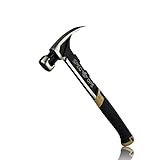
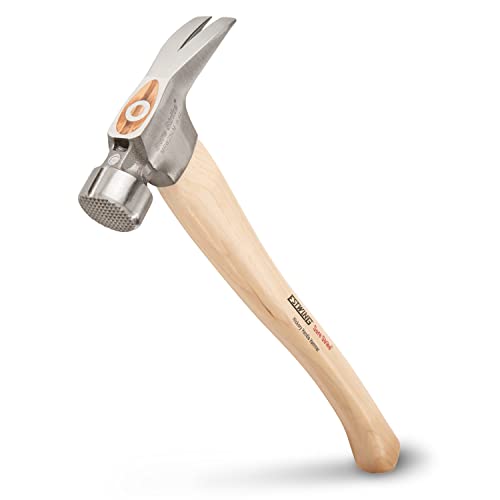 ESTWING Sure Strike California Framing Hammer708g (25oz)17.75 x 6.13 x 1.5 inches1.6 poundsCheck on Amazon

Best Hammers for Framing: Top Picks for Driving Nails
The best hammer for framing is usually a 20- to 22-ounce model with a milled face, a handle around 16 inches long, and a grip that stays secure without forcing a tight hold. For frequent framing, a well-balanced 21-ounce hammer such as the Estwing Sure Strike California Framing Hammer or a comparable model is a strong all-around choice; lighter smooth-face hammers suit finish-sensitive work, while heavier models make sense when driving large nails all day is the priority.
Top picks by situation
- Best all-around: A 21-ounce milled-face framing hammer with a 16-inch handle. It balances nail-driving power with manageable swing effort for most framing work.
- Best for a durable, one-piece build: Estwing Sure Strike California Framing Hammers. Their steel construction avoids a separate head-to-handle joint; the added weight and vibration are trade-offs to consider.
- Best for reduced swing fatigue: A 16- to 19-ounce titanium framing hammer from a maker such as Stiletto. Titanium models cost more, but their lighter head can make repeated swings less tiring. Check the specific model’s face and handle before buying.
- Best for precise positioning: A framing hammer with a long, straight handle and a milled face. The longer reach helps with controlled, full swings, while the textured face is less likely to glance off a nail head.
- Best for mixed framing and finish work: A 20- to 22-ounce smooth-face hammer, or a hammer with a replaceable smooth face if the model offers one. It is less likely to mark exposed wood, though it can slip more readily on nail heads.
Compare weight, face, handle, and grip
Hammer weight labels can be confusing: the listed ounce weight usually refers to the head, not the entire tool. A heavier head can drive a nail with fewer swings, but it also takes more effort to accelerate and control. For many carpenters, 20 to 22 ounces is the useful middle ground. A 16- to 19-ounce head can be easier to swing over a long day, especially for smaller nails or overhead work; 24 ounces or more is a specialized choice for demanding, repetitive driving rather than a default upgrade.
As an Amazon Associate we earn from qualifying purchases at no extra cost to you.


| Configuration | Head weight | Typical handle length | Face | Best fit |
|---|---|---|---|---|
| Light framing hammer | 16–19 oz | 14–16 in | Milled or smooth | Long sessions, overhead work, lighter framing nails |
| All-around framing hammer | 20–22 oz | 16 in | Milled | General framing and repeated nail driving |
| Heavy framing hammer | 24–28 oz | 16–18 in | Usually milled | Large nails and experienced users who can control the added mass |
| Finish-conscious hammer | 16–22 oz | 14–16 in | Smooth | Visible wood where face marks matter more than extra grip |
Milled versus smooth face
A milled, or waffle, face has ridges that catch a nail head and reduce glancing blows. Those ridges also leave a noticeable pattern if the hammer strikes the wood, so they are better suited to concealed framing than trim or exposed surfaces. A smooth face leaves a cleaner mark but asks for more accurate contact, especially when starting a nail. If a single hammer must cover both jobs, choose based on the work you do most often; switching to a smooth-face hammer for visible surfaces is often more practical than expecting one face to excel at both.
Handle length and grip
A longer handle provides more leverage and swing speed, but it needs room and good control. A 16-inch handle is a practical starting point for general framing; a shorter handle can feel easier in confined spaces, while a longer one may suit open-site work and a practiced swing. Try the grip with your usual gloves if possible. It should feel secure without requiring a hard squeeze, and the tool should balance comfortably when held near the end of the handle. Rubber or textured grips can improve security, but a grip that is too bulky for your hand may increase fatigue rather than reduce it.
Choose by work pattern, not just maximum weight
| Your situation | Practical choice | Why |
|---|---|---|
| Occasional home framing; keeping cost down | 20–22 oz steel hammer, 16-inch handle | Widely available, durable, and versatile without paying for a premium lightweight alloy. |
| Daily use; fatigue is the main concern | 16–19 oz titanium model, or a well-balanced lighter steel model | Lower head mass can reduce the effort of repeated swings; compare price and grip before committing. |
| New to framing or still refining aim | 20 oz hammer with a milled face and comfortable 16-inch handle | The textured face helps keep the hammer on the nail, while moderate weight is easier to control than a very heavy head. |
| Tight framing spaces or frequent overhead work | 16–19 oz hammer with a 14–16-inch handle | A shorter, lighter setup is easier to maneuver where a full swing is not available. |
| Mostly exposed wood or trim alongside framing | Smooth-face hammer, or separate framing and finish hammers | A smooth face is less likely to leave a waffle imprint on the workpiece. |
What to check before buying
Do not compare head weights in isolation. Balance, handle shape, and grip diameter affect how the hammer feels through repeated swings. If you can handle it in person, hold it at the end of the grip and make a few controlled practice swings without striking anything. Look for a straight, secure head-to-handle connection, a comfortable wrist position, and a grip that does not rotate in your hand. For a one-piece steel hammer, inspect the grip and any exposed edges; for a hammer with a separate handle, the joint is a wear point and should remain tight.
Price varies by construction and materials. Basic steel framing hammers are generally the budget option; premium steel and titanium models commonly cost substantially more. That premium may be worthwhile for a carpenter swinging all day, but an occasional user may get better value from a conventional 20- to 22-ounce steel model. The best framing hammers for carpenters are therefore not necessarily the heaviest or most expensive—they are the ones that match the nail size, working space, and pace of the job.
Care and durability
The face and grip tend to show wear before a solid steel head does. Keep the striking face clean and free of oil, since a slick face can slip; wipe away dirt and moisture after use, and store the hammer dry. Check the handle, grip, and head connection regularly, especially after a drop or a hard strike. Replace a damaged handle or worn grip according to the maker’s instructions rather than continuing with a loose or cracked tool.
A milled face can gradually lose sharpness, and repeated strikes on concrete or hardened steel can chip or deform a hammer face. Use a framing hammer on nails and appropriate striking tasks, not as a substitute for a sledge or pry bar. Also avoid using the hammer’s claw to lever against a delicate edge unless the tool and workpiece can handle it; a pry bar is often the better choice.
Bottom line
For most buyers, start with a 20- to 22-ounce framing hammer, a 16-inch handle, and a milled face. Choose a lighter model if repeated swings or overhead work make fatigue a concern, and a smooth face if visible wood matters. Before paying extra for a heavier head or premium material, make sure the balance and grip suit your hand—those details often matter more over a full day than a small difference in listed weight.