What's inside
As an Amazon Associate I earn from qualifying purchases. This post may contain affiliate links at no extra cost to you.
Our Top Picks
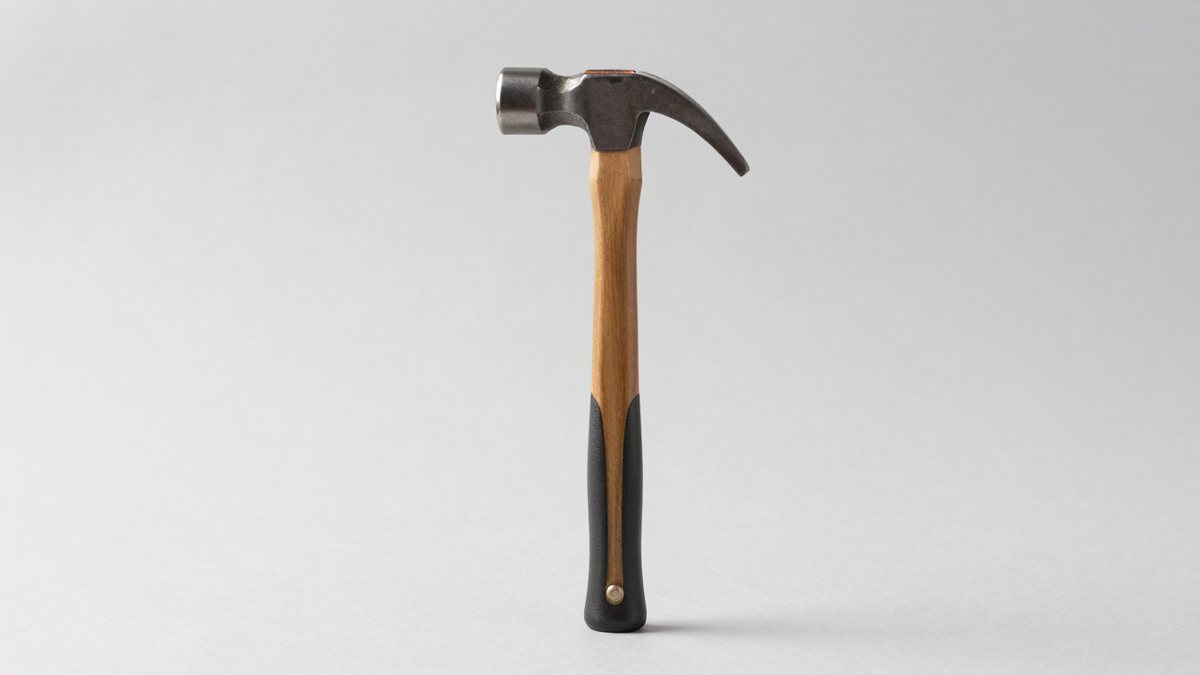
 ESTWING Sure Strike Engineer's Hammer40 oz (Ounces)13.98 x 4.88 x 1.62 inches2.5 PoundsCheck on Amazon


Best Engineer’s Hammers: Top Picks for Precision Work
For controlled strikes on small metal parts, choose a 300–500 g (10.5–17.6 oz) engineer’s hammer with a secure, vibration-conscious handle; use a lighter 200–300 g head for delicate fitting and a heavier 700–1,000 g head when the workpiece needs more force. The best engineers hammers are not simply the heaviest or most expensive: head shape, handle length, balance and the space around the job matter just as much.
Top picks by job
- Best for general bench work: A 500 g (about 1.1 lb) cross-peen hammer with a forged steel head and a 300–350 mm handle. It offers useful striking force while remaining manageable for pins, small chisels and light metalwork.
- Best for delicate fitting: A 200–300 g hammer with a short handle and polished, slightly crowned face. The reduced head mass makes it easier to place light blows without overpowering a small part.
- Best for driving punches: A 700–1,000 g straight-peen or engineer’s hammer with a tough steel head and a substantial handle. Its extra mass is useful for larger punches, but it calls for a stable workpiece and careful aim.
- Best where marring matters: A replaceable-face hammer, or a separate dead-blow or soft-face hammer when the task permits. These are not substitutes for a hardened steel face when striking a punch; use the tool intended for the contact surface.
These are tool types and useful starting specifications, not claims about a single universally superior model. If you are comparing named products, confirm the stated head weight, face hardness, handle material and applicable safety standard in the maker’s current specifications.
As an Amazon Associate we earn from qualifying purchases at no extra cost to you.


Compare weight, face and handle before you buy
Hammer weights generally refer to the head, not the complete tool. Two hammers marked 500 g can feel quite different because their handles vary in length and mass, and because the head’s balance point differs. A longer handle can add swing speed, but it also needs more clearance and can make accurate short strokes harder.
| Head weight | Typical use | Useful handle range | Main trade-off |
|---|---|---|---|
| 200–300 g (7–10.5 oz) | Small pins, light fitting and delicate bench jobs | 250–300 mm | Easy to control; may need many blows on larger work |
| 400–500 g (14–17.6 oz) | General engineering and workshop use | 300–350 mm | A versatile middle ground; still too forceful for fragile parts |
| 700–1,000 g (1.5–2.2 lb) | Larger punches, heavier fitting and robust assemblies | 330–400 mm | More impact with fewer swings; demands room and a steadier hand |
Head material and face shape
Forged, hardened steel is the conventional choice for striking punches and other tools designed to be hit. Check that the face is smooth, free of chips and appropriate for the struck tool. A domed or crowned face can help concentrate contact near the center; an excessively rounded face is more likely to glance off a small target. Peens differ by direction: a cross-peen is useful for spreading or working material across the peen’s direction, while a straight-peen aligns that action along it. Neither shape makes a hammer a replacement for a purpose-built forming tool.
Brass, copper, plastic and replaceable polymer faces can reduce marking in suitable fitting or assembly work, but their faces wear, deform or shed material over time. They are poor choices for striking a hardened punch unless the maker specifically approves that use. Avoid striking a steel hammer against another hardened steel surface; fragments can break off.
Handle material and balance
Traditional wood handles, often hickory or ash, are replaceable and provide a familiar grip. Inspect the eye and wedge: movement, splitting or a loose head means the hammer should be taken out of service until repaired. Fiberglass and steel-core handles are often chosen for durability, but a damaged handle may be harder to repair or replace, and the feel varies by design. A non-slip grip is useful only if it fits your hand and remains secure when clean and dry.
Balance is practical, not mysterious: hold the hammer near the end of the grip and make a few slow, unloaded practice arcs. If the head feels difficult to stop or the wrist has to correct its path, choose a lighter head or shorter handle. Precision depends on controlling the return as well as directing the blow.
Choose by situation
| Your situation | Starting choice | Why it fits |
|---|---|---|
| New to workshop hammering | 300–400 g steel head, 280–330 mm handle | Manageable for learning consistent contact without excessive swing weight |
| Frequent general bench use | 400–500 g cross-peen, 300–350 mm handle | Balances useful force and control across varied small jobs |
| Very small parts or tight clearance | 200–300 g head, shorter handle | Less momentum and a compact swing help with placement |
| Large punch or robust workpiece | 700–1,000 g head, longer handle | More head mass can deliver the required impact with fewer blows |
| Workpiece must not be marked | Suitable soft-face or replaceable-face hammer | A softer contact face can protect the surface, subject to the job and maker’s guidance |
For an occasional home workshop, one well-chosen 400–500 g hammer may cover more tasks than a collection of specialized tools. For regular precision work, a lighter hammer alongside a general-purpose one can be a worthwhile upgrade: switching tools is often safer and more predictable than trying to make one heavy hammer behave like a light one. Basic models commonly cost around $15–$40; better-finished or specialized tools may be roughly $40–$100 or more, depending on construction and replaceable parts.
How to make a controlled strike
- Secure the work. Clamp or support it so it cannot shift or bounce. Keep fingers out of the strike path.
- Choose a compatible contact. Use a steel face on a punch designed for hammering; choose a suitable soft face for a surface that must not be marked.
- Start with a short, light swing. Align the hammer face with the target and check that the blow lands flat rather than on an edge.
- Increase force only as needed. If a part does not move, check for a hidden fastener, interference or inadequate support rather than automatically swinging harder.
Ownership and maintenance: what wears first
On a steel hammer, the face can mushroom, chip or develop burrs after misuse or heavy service. Stop using a damaged hammer: a raised lip can break away. Do not casually grind a hardened face, since overheating can damage its heat treatment. Have serious damage assessed by a qualified tool repairer or replace the hammer.
Wood handles can loosen, crack or split near the head; composite handles can become damaged around the eye or grip. Check both before use, and retire any tool with a moving head or compromised handle. Wipe away oil and moisture after work, store the hammer dry, and keep replaceable faces clean and correctly fitted. Common mistakes include using the wrong face material, striking off-center, selecting a head that is too heavy for the target, and continuing to use a loose or damaged tool.
Bottom line
For most people doing precision bench work, start with a 400–500 g forged-steel cross-peen hammer, a comfortable 300–350 mm handle and a face suited to the punches or parts being struck. Choose lighter when placement and delicate fitting dominate; go heavier only when the workpiece and available space justify it. A hammer you can stop and aim consistently is the better precision tool.