What's inside
As an Amazon Associate I earn from qualifying purchases. This post may contain affiliate links at no extra cost to you.
Our Top Picks
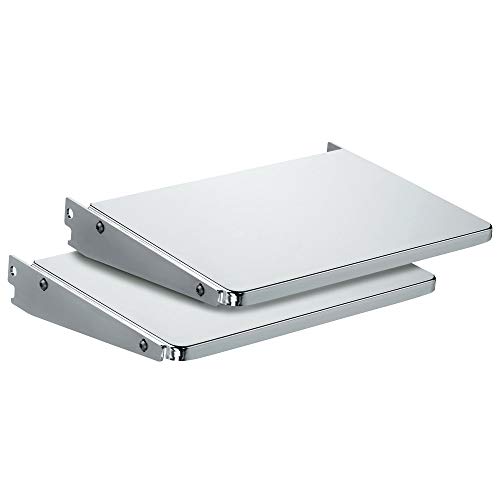 DEWALT Planer Folding Table Accessory for DW735 PlanerOne Size13.75 x 2.25 x 11.25 inches4 poundsCheck on Amazon


Support is the real difference
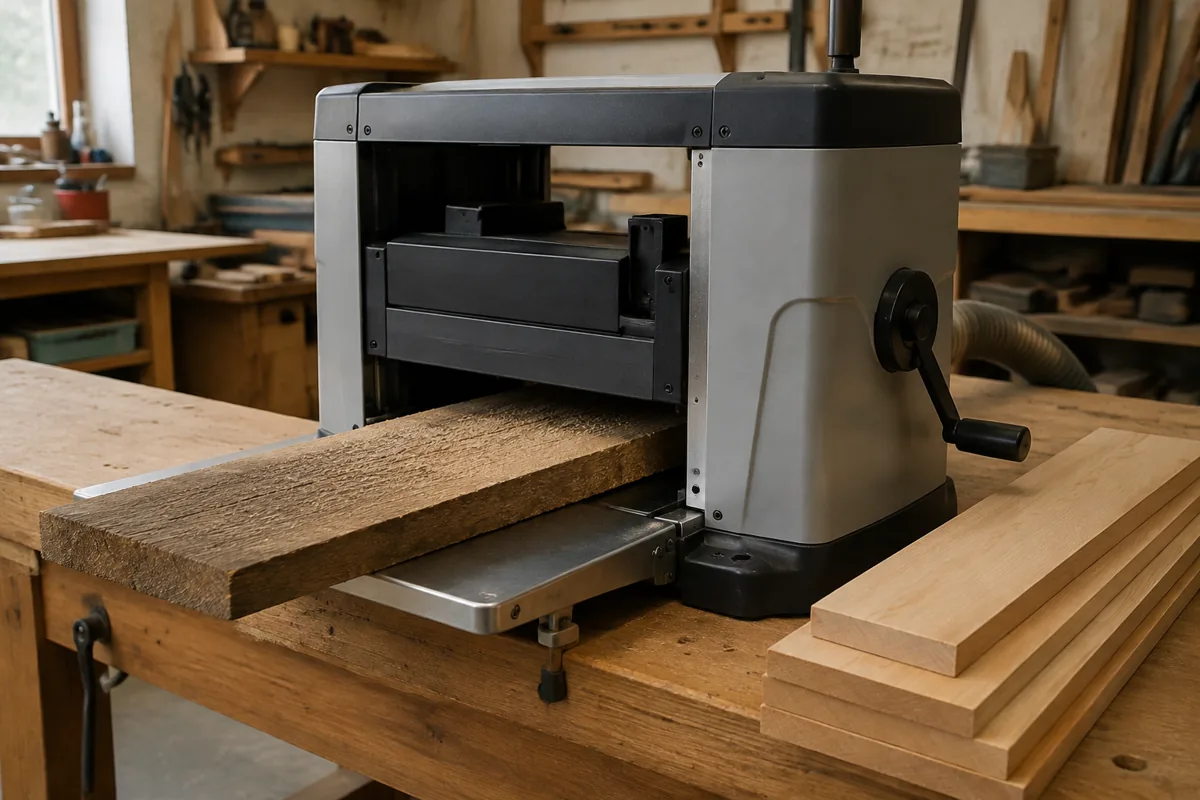
The DeWalt DW735X and Ridgid R4331 are both 13-inch portable thickness planers. Each can flatten boards accurately, but the way the machines support a board before and after the cutterhead matters just as much as motor power. A planer can leave a good surface and still produce snipe, tipped edges, or a board that drops onto the floor if the infeed and outfeed areas are poorly supported.
The DW735X is sold as a package with DeWalt’s folding infeed and outfeed tables. The R4331 also uses built-in folding tables, but its table design and overall support feel different in use. Neither planer has a large industrial bed extending far beyond the cutterhead, so both benefit from additional support when handling long stock.
As an Amazon Associate we earn from qualifying purchases at no extra cost to you.


Quick comparison
| Feature | DeWalt DW735X | Ridgid R4331 |
|---|---|---|
| Planing width | 13 inches | 13 inches |
| Motor | 15 amps | 15 amps |
| Included support | Folding infeed and outfeed tables | Folding infeed and outfeed tables |
| Cutterhead | Three-knife cutterhead | Three-knife cutterhead |
| Best support advantage | Sturdy tables and broad aftermarket support | Good basic support for less money when properly leveled |
| Typical limitation | Tables still need help with long boards | More sensitive to table alignment and flex |
DeWalt DW735X infeed and outfeed support
The DW735X’s folding tables are one of its strongest practical features. They provide a reasonably long, flat transition into and out of the bed, and the table hinges make the planer easier to store. When set correctly, a board moves onto the cutterhead without suddenly dipping at the front edge. The outfeed table keeps the freshly planed board from dropping as it leaves the knives.
The tables are not perfectly flush by default. A table that sits slightly low at the leading or trailing edge can increase snipe, particularly on short boards. Check alignment with a straightedge across the main bed and table. The transition should be smooth; a small upward adjustment at the table tip is often useful, but too much creates a hump that can lift the board into the cutterhead.
DeWalt’s two-speed gearbox is also relevant to support. The faster setting is intended for dimensioning, while the slower setting improves finish quality. Neither setting eliminates the need to support the board. On an eight-foot board, the unsupported length can act like a lever: as the leading end rises onto the infeed table or the trailing end falls off the outfeed table, the opposite end can lift into the cutterhead and create snipe.
For long lumber, pair the planer with adjustable roller stands or a wide, level support table. Put support close enough to the planer that the board cannot sag, but not so high that it pushes the stock upward. A roller stand should be checked from both directions because rollers can steer a board sideways.
Ridgid R4331 infeed and outfeed support
The R4331’s folding tables provide the same basic solution: a flat approach and exit path without requiring a permanent shop installation. That makes the Ridgid a sensible choice for a garage or jobsite user who folds the machine away after use. Its tables work well with ordinary boards when the planer is placed on a solid, level stand.
The main caution is alignment. If the folding tables are not level with the central bed, the board can catch at the hinge or pivot as it enters and exits. That can cause a corner to lift, produce uneven cuts, or leave more pronounced snipe at the end of a board. Before blaming the knives, run a straightedge over the bed and tables and tighten the table hardware.
The R4331 is particularly dependent on external support for long, heavy stock. A 10-foot board can weigh enough to pull the table down slightly or twist the planer stand as it moves through. That movement changes the angle of the board at the cutterhead. A pair of roller stands, a torsion-box support surface, or a dedicated planer cart with folding wings solves more problems than simply taking shallower cuts.
How support affects snipe
Snipe is a shallow cut at the first or last several inches of a board. It happens when the board is not held flat as it enters or leaves the cutterhead. Folding tables reduce the problem, but they do not replace correct technique.
Keep the board flat against the bed as it enters. Once enough length is past the cutterhead, support the trailing section without lifting it. At the exit, keep downward control on the board until its weight is fully supported outside the planer. Do not push down directly over the cutterhead; that can distort the cut and is unsafe.
For boards shorter than roughly 24 inches, support can be awkward because the board may be in both transition zones at once. Taking a light final pass, feeding several boards end to end, or using sacrificial leader and follower boards can reduce snipe. A thickness planer is not a jointer, so neither model should be expected to flatten a twisted board simply by adding better outfeed support.
Which planer makes more sense?
Choose the DW735X if you want the more polished support package, a widely documented setup, and a large ecosystem of replacement tables, knives, carts, and dust-collection accessories. Its tables are not magic, but they are sturdy and predictable once aligned. If you regularly plane long hardwood boards, budget for planer infeed and outfeed support anyway.
The R4331 is fine when the price is substantially lower and you are willing to spend a few minutes setting up the tables and support stands. For occasional work on cabinet parts, shelving, and shorter boards, the cheaper planer can deliver the same useful result. The savings make sense if you already have a level workbench or sturdy folding workbench to support the stock.
For either machine, prioritize a rigid stand, accurate table alignment, and controlled feed technique. Those three factors have more influence on board handling and snipe than a small difference in the folding-table design. If your projects routinely involve long, heavy boards, buy the planer that leaves enough of your budget for proper external support.