What's inside
As an Amazon Associate I earn from qualifying purchases. This post may contain affiliate links at no extra cost to you.
Blade alignment is where a portable table saw either earns your trust or wastes your afternoon. Both the Makita 2705 and Ridgid R4518 are 10-inch, 15-amp contractor-style saws with enough capacity for framing lumber, sheet goods, and ordinary cabinet work. The important difference is not cutting power. It is how easily you can make the blade, miter slot, throat plate, and rip fence agree with one another—and keep them that way.
For most owners, the Makita 2705 offers the easier alignment process. The Ridgid R4518 can be aligned accurately, and it is often the better value when discounted, but its fence and table adjustments typically demand more patience and a more careful initial setup.
As an Amazon Associate we earn from qualifying purchases at no extra cost to you.



Our Top Picks
 DEWALT 15 Amp 8-1/4 in. Compact Portable JobsiteOne Size22.75 x 22.75 x 13 Inches54 poundsCheck on Amazon
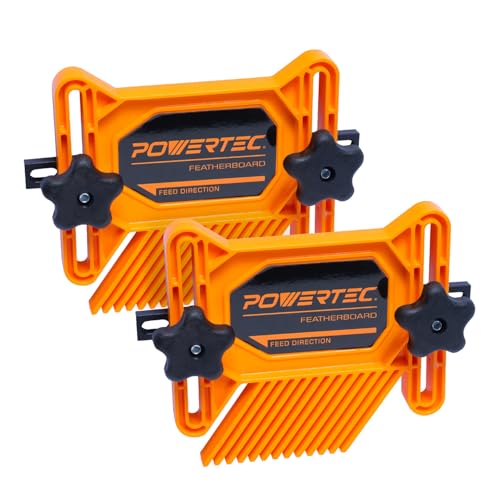 POWERTEC Universal Tandem Featherboards for Table SawFeatherboards (2PCs)10.63 x 7.5 x 2.5 inchesCheck on Amazon


What needs to be aligned
A table saw does not need the blade perfectly parallel to every visible edge. It needs the blade parallel to the miter slot, with the fence set parallel to the same slot. If the blade points toward or away from the slot, the workpiece can pinch the back of the blade, burn, kick back, or produce a cut that is wider on one end.
The practical setup sequence is:
- Unplug the saw and remove the throat plate and blade guard.
- Check the blade for wobble and verify that it is seated cleanly on the arbor.
- Measure the distance from a marked tooth to the front and rear of one miter slot.
- Adjust the trunnion or blade assembly until the difference is minimal.
- Set the rip fence parallel to the miter slot, then verify it with a test cut.
A good target is within roughly 0.005 inch from front to rear for general work. A few thousandths more may still cut acceptably, but a measurable rearward toe-in toward the blade is a safety problem, not merely a cosmetic defect.
Makita 2705: easier access and a more cooperative fence
The Makita 2705 is built around a substantial cast-aluminum table and a fairly straightforward blade and trunnion arrangement. Its blade-height and bevel controls are conventional, and the blade guard and riving-knife system can be removed without making the basic alignment process unnecessarily complicated.
One advantage is access. You can reach the hardware used to shift the blade assembly without dismantling half the saw. That matters because alignment is usually a sequence of small corrections: loosen the mounting points, tap or shift the assembly, tighten gradually, and measure again. The Makita’s adjustment range is not infinite, but it is normally sufficient to correct the small amount of misalignment found after transport.
The Makita’s cam-lock rip fence is also relatively easy to tune. A fence that locks squarely and does not move as the handle is pressed down saves time after the blade has been aligned. Check the fence at both ends of the table; a fence can appear parallel at the front and still drift at the rear.
There are two failure modes to watch for. First, overtightening the alignment hardware can pull the blade assembly back out of position. Second, the fence can develop a slight skew after repeated folding, moving, or rough transport. Always make a test rip after adjusting it, even if the fence looks straight against the miter slot.
Ridgid R4518: capable, but setup is less forgiving
The Ridgid R4518 is an attractive choice for a homeowner or remodeler because it generally offers strong cutting capacity and a useful portable stand for the money. It handles common 2-by stock and sheet goods without feeling underpowered. The question is whether its savings justify spending more time on initial calibration.
On the R4518, access to the blade-alignment hardware can be less convenient, particularly when the saw is sitting on its stand or against a wall. You may need to remove the throat plate, guard components, or other obstructions before you can comfortably reach the adjustment points. That is not difficult, but it makes the measure-adjust-measure cycle slower.
The fence is the more important variable. If it does not lock parallel every time, a perfectly aligned blade will not produce consistently safe, accurate rips. Inspect the fence for movement at the rear after locking it. If it shifts, adjust the fence mechanism according to the manual rather than compensating by angling the fence toward the blade. A deliberate rearward toe-in is sometimes used on woodworking saws, but it should be tiny and intentional; a loose or wandering fence is not the same thing.
Some R4518 owners also encounter alignment changes after folding or moving the saw. That does not mean the saw is defective. Portable stands transmit bumps into the frame, and a saw that is dragged over uneven ground can need a quick recheck. If you move it often, keep a combination square and a thin feeler gauge or reliable ruler with the saw.
Makita 2705 vs. Ridgid R4518
| Feature | Makita 2705 | Ridgid R4518 |
|---|---|---|
| Blade size and motor | 10-inch blade, 15 amps | 10-inch blade, 15 amps |
| Alignment access | Generally easier to reach and adjust | More dependent on access around the portable frame |
| Fence behavior | Cam-lock fence is usually straightforward to tune | Fence locking and repeatability deserve careful checking |
| Portability | Portable, but relatively substantial | Stand-oriented design is convenient for jobsite movement |
| Best fit | Frequent setup, repeatable woodworking, easier calibration | Budget-conscious remodeling and general construction |
How to get accurate cuts from either saw
Start with a flat, stable surface. A twisting stand can make you chase alignment problems that are really frame problems. Use a good table saw alignment tool or a straight ruler, and mark one carbide tooth with a permanent marker so you measure the same reference point at the front and rear.
Do not use the miter gauge as your only alignment reference if it has looseness in its bar. Measure directly against the slot. After adjustment, make a 24-inch rip in scrap plywood or straight construction lumber. Measure the cut width at both ends and inspect the edge for burn marks. Burning at the rear often indicates the work is closing against the blade or fence.
Use a quality 10-inch table saw blade when testing. A bent or dull blade can imitate an alignment problem. Also confirm that the stock is flat; bowed boards can press into the fence and produce misleading results.
Which saw should you buy?
Choose the Makita 2705 if blade alignment is a priority, you expect to transport the saw regularly, or you want a machine that is less frustrating to calibrate and recheck. Its advantage is not that it never needs adjustment. Its advantage is that the adjustment process is more accessible and the fence is generally easier to make repeatable.
Choose the Ridgid R4518 when the price is substantially lower and your work is mainly construction, shelving, flooring, or occasional DIY projects. The cheaper option is fine if you are willing to spend an hour on setup, verify the fence after moving it, and accept that portability may require periodic recalibration. Add a table saw featherboard for controlled stock pressure, but do not use it to hide a misaligned fence or blade.
For the specific question of easier blade alignment, the Makita 2705 wins. The Ridgid remains a sensible value, but it rewards careful setup rather than making that setup especially quick.