What's inside
As an Amazon Associate I earn from qualifying purchases. This post may contain affiliate links at no extra cost to you.
Our Top Picks
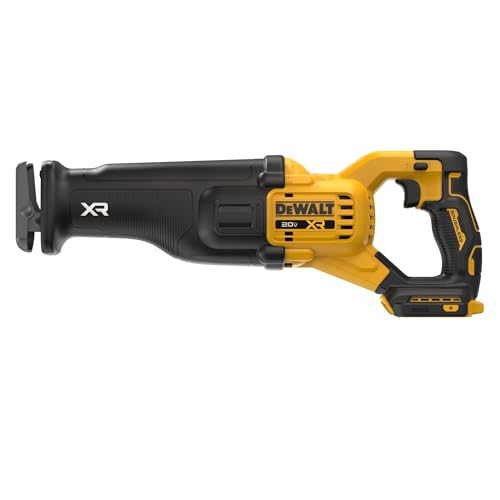 DEWALT 20V MAX* XR Brushless Cordless Reciprocating SawSTANDARD19.3 x 4.2 x 7.4 inches4.5 PoundsCheck on Amazon
 DEWALT 20V MAX* Cordless Reciprocating Saw KitOne Size14.75 x 3.5 x 7.5 inches7 PoundsCheck on Amazon


Which Saw Is Better for Cast-Iron Pipe?
For cutting cast-iron drain pipe, a cordless reciprocating saw is usually the more practical choice. It is easier to position in a crawlspace, does not need an outlet or extension cord, and can make the cut even when the pipe is buried behind framing or under a sink cabinet.
A corded reciprocating saw still has advantages. It costs less, runs indefinitely, and delivers consistent power when you are making several cuts through thick, heavy pipe. If the work is in an open basement and you already own a suitable corded saw, buying a cordless tool may not improve the job enough to justify the cost.
As an Amazon Associate we earn from qualifying purchases at no extra cost to you.


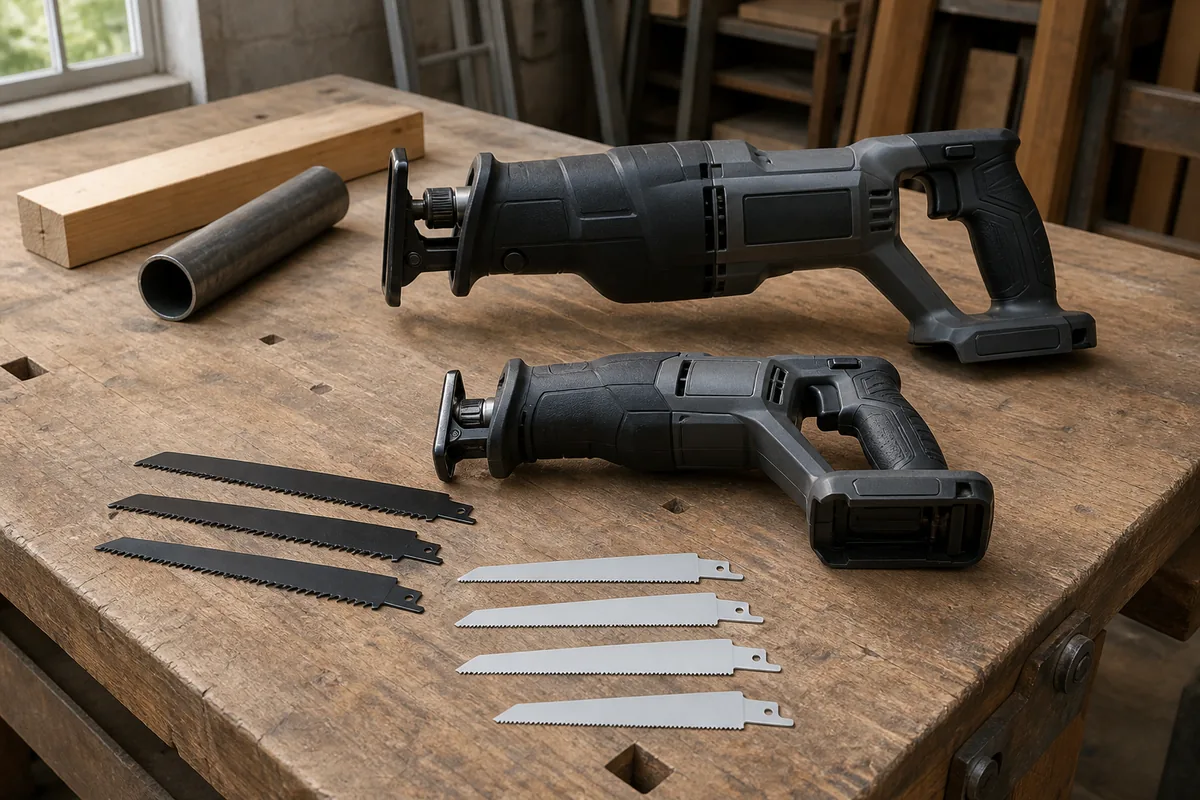
The bigger factor is not the saw’s advertised stroke speed. It is the blade. Cast iron is hard, brittle, and abrasive. A general-purpose wood blade will dull quickly, snag, or lose teeth. Use a long, thick bi-metal blade intended for cast iron, thick metal, or demolition work. For the cleanest and fastest cuts, use a carbide-grit or carbide-tooth cast-iron blade.
Cordless vs. Corded for This Job
| Factor | Cordless reciprocating saw | Corded reciprocating saw |
|---|---|---|
| Mobility | Excellent in crawlspaces and tight rooms | Limited by cord and outlet location |
| Runtime | Usually enough for several cuts with a 4.0 Ah battery | Unlimited while power is available |
| Power consistency | Can slow as the battery discharges | Usually consistent throughout the job |
| Typical weight | Often heavier with the battery installed | Usually lighter in the hand |
| Best use | One-off repairs, overhead cuts, restricted access | Multiple cuts, shop work, open basements |
| Extra cost | Battery and charger may be required | Usually ready to use from the box |
Battery capacity matters more than peak voltage marketing. A modern cordless saw with a 4.0 Ah or larger battery is generally suitable for a repair involving a few 2- to 4-inch cuts, assuming the battery is healthy and the blade is appropriate. A compact 1.5 Ah battery may work, but it can run out quickly when the blade is forced or the pipe is thick.
For repeated cast-iron demolition, a corded saw is the cheaper option if you have reliable electricity nearby. A basic corded model and several good blades can cost less than a cordless tool kit. The cord becomes a serious disadvantage only when it snags on framing, cannot reach the pipe, or creates a trip hazard around water and debris.
Choose the Blade Before the Saw
A reciprocating saw blade for cast iron should be long enough to clear the pipe wall while leaving some stroke length available. For typical 3- or 4-inch soil pipe, an 8- to 12-inch blade is a useful range. Extra length helps reach around the pipe, but an overly long blade flexes more and is harder to control.
There are two practical blade types:
- Carbide-grit blades: These have a continuous abrasive edge rather than conventional teeth. They cut cast iron well and are less likely to lose teeth on rough, dirty pipe. They are often the best choice for old drain pipe, but they cut more slowly than an aggressive toothed blade.
- Carbide-tooth demolition blades: These cut faster and produce larger chips. They are useful when speed matters, but they cost more and can be damaged if the blade twists in the kerf.
A premium carbide-grit cast-iron blade is usually a better investment than a more powerful saw fitted with a cheap blade. Keep a spare available. A blade that suddenly stops cutting, burns the work, or requires heavy pressure is usually worn rather than evidence that the saw lacks power.
How to Cut Cast-Iron Pipe Safely
First, support the pipe on both sides of the planned cut. Cast iron can weigh several pounds per foot, and a section can drop or twist as soon as it separates. Do not let the saw carry the pipe’s weight. Use a strap, temporary support, or a helper, while keeping hands away from the cut.
Mark the cut and check for nearby wiring, water lines, studs, and fittings. A reciprocating saw can penetrate beyond the pipe wall, especially as the blade exits the far side. If the pipe is connected to a stack or fitting that must remain intact, leave enough material for a shielded no-hub coupling or replacement fitting. Measure the replacement section before cutting; cast-iron repairs often leave less adjustment room than expected.
Wear eye protection, hearing protection, gloves, and a dust mask or respirator suitable for the conditions. The cut produces sharp metal fragments and dark mineral dust. If old pipe has insulation, paint, or unknown deposits, stop and identify the material before disturbing it. Keep the saw’s shoe firmly against the pipe, start at moderate speed, and let the blade cut without leaning hard on it.
Use a slower, controlled stroke when starting the kerf. Once the blade is engaged, increase speed only if it remains stable. Avoid twisting the saw. Binding can bend the blade, strip teeth, stall the motor, or jerk the tool backward. If the cut closes on the blade, stop and support or reposition the pipe instead of forcing the saw.
What to Buy
Choose a brushless cordless reciprocating saw if you already own batteries in that tool platform, need to work in a crawlspace, or expect only occasional cuts. A variable-speed trigger, orbital-action shutoff, adjustable shoe, and tool-free blade clamp are worthwhile features. Turn orbital action off for cast iron; the more aggressive movement is better suited to wood and can make metal cutting rougher and less controllable.
Choose a corded reciprocating saw for metal cutting when you are removing a long run of pipe, making many cuts, or buying the least expensive complete setup. Use a heavy-duty extension cord rated for the saw’s current draw, and keep the connection away from standing water.
If access is extremely tight, consider a cast-iron soil pipe snap cutter instead. It can be faster and cleaner when there is room to wrap the chain around the pipe, but it needs clearance and costs more than a basic blade setup. For most homeowners, the best value is the saw they already own paired with a proper carbide blade, solid pipe support, and enough time to make a controlled cut.