What's inside
As an Amazon Associate I earn from qualifying purchases. This post may contain affiliate links at no extra cost to you.
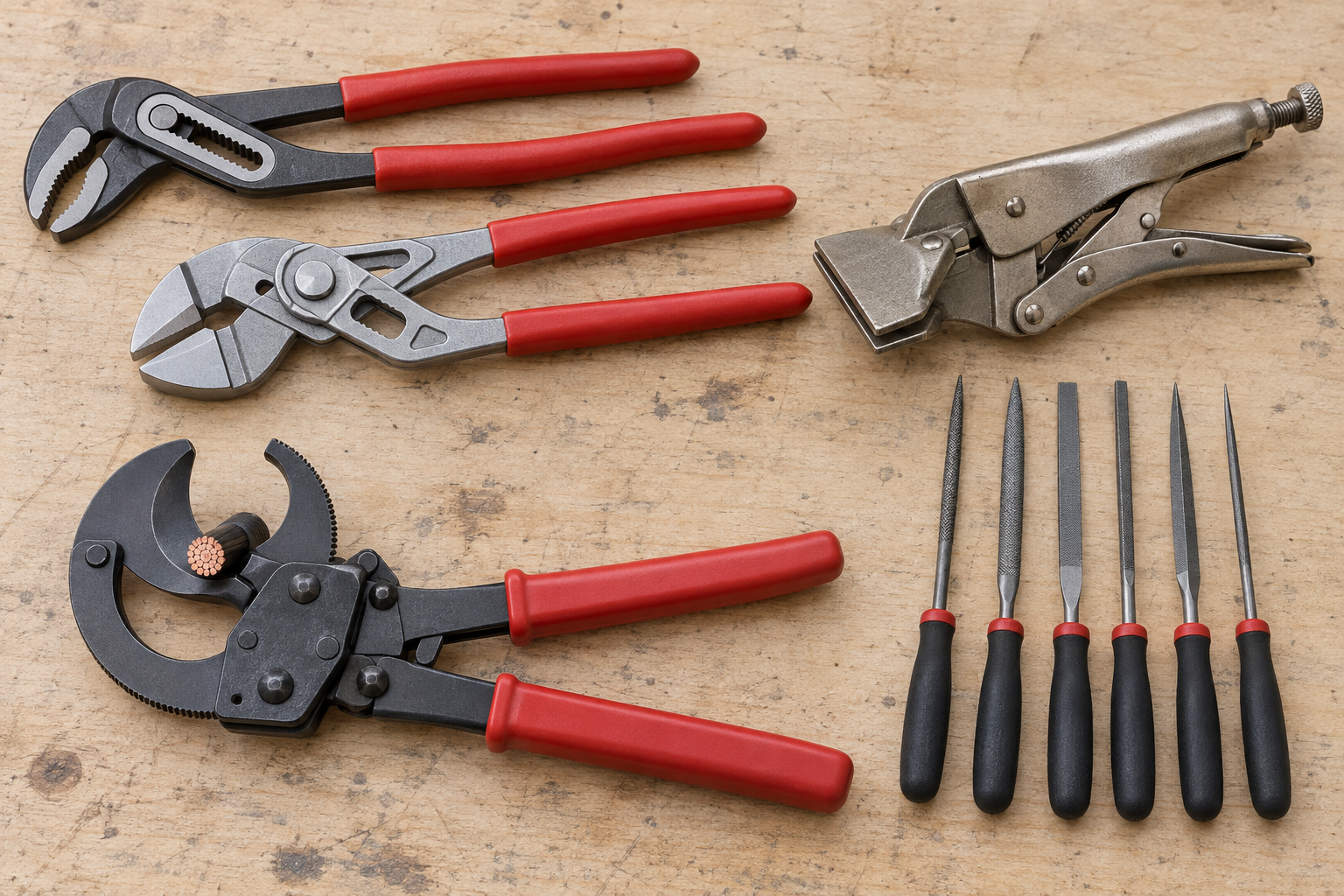
A ratcheting cable cutter is the right tool when a large copper conductor is too tough for ordinary diagonal cutters but not large enough to justify a hydraulic cutter. The ratchet multiplies your hand force, keeps the jaws moving through the cable, and usually produces a rounder, cleaner end than crushing it with bolt cutters.
The important qualification is capacity. “Cuts large cable” can mean anything from 1/0 AWG battery cable to 750 kcmil copper feeder. Those are very different jobs. Check the cutter’s published capacity for the exact conductor type before buying. A tool rated for 4/0 copper may not be suitable for compacted copper, fine-strand welding cable, aluminum, or multi-conductor cable with a thick jacket.
As an Amazon Associate we earn from qualifying purchases at no extra cost to you.


Our Top Picks
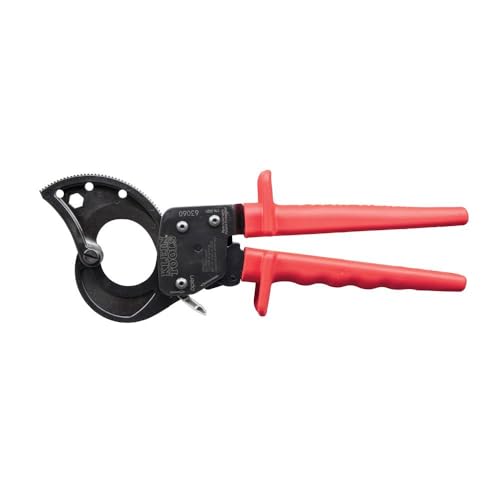
 Southwire Cable Cutter Tool750 kcmil CU/1000 kcmil AL7 x 13.5 x 1.5 inches1.74 PoundsCheck on Amazon


What to look for in a ratcheting cable cutter
Start with the cutter’s maximum conductor diameter, not just its AWG rating. A 1/0 AWG copper conductor is about 0.37 inch in diameter, while 4/0 is about 0.46 inch. The actual outside diameter varies with strand construction and insulation, so a cutter with only a few millimeters of spare capacity may bind before the cut is complete.
For common battery, inverter, and welding-cable work, a compact hand ratchet cutter rated around 240 to 300 mm² (roughly 4/0 to 350 kcmil, depending on the manufacturer) is often enough. For 500 to 750 kcmil feeder cable, use a larger ratchet cutter or a hydraulic tool. Do not force a compact cutter beyond its rating. The usual results are a jammed ratchet, bent blades, or a cut that leaves strands partially attached.
Look for hardened, replaceable blades and a positive quick-release. A release lever matters when the cable is too large, the cut starts crooked, or the tool becomes trapped in a cramped panel. A cutter with permanently riveted blades may cost less initially but is often disposable after a few difficult cuts.
Handle length is another trade-off. Longer handles reduce the force needed at the grips, but they also need more clearance and can be awkward inside a junction box. A two-stage ratchet is useful for big cable because it lets you reposition your hands without losing progress. A compact cutter is easier to carry; a full-size cutter is less tiring on repeated cuts.
Ratcheting cable cutter types compared
| Type | Best use | Typical practical capacity | Main drawback |
|---|---|---|---|
| Compact manual ratchet | Battery cable, welding cable, and smaller feeders | About 1/0 to 4/0 copper | Slow and tiring near maximum capacity |
| Heavy-duty manual ratchet | Repeated cuts on large copper conductors | About 250 to 750 kcmil, model dependent | Heavy, expensive, and needs swing room |
| Hydraulic ratcheting cutter | Very large conductors and production work | Often 750 kcmil and above | Cost, weight, and maintenance |
| Powered cable cutter | Many cuts in commercial or utility work | Depends heavily on blade and battery system | Higher purchase price and more parts to service |
Choosing the right cutter for the job
For occasional automotive or battery work, a manual ratcheting cable cutter for 4/0 copper is usually the sensible choice. It is cheaper than a hydraulic tool, requires no battery or pump, and can make clean cuts on flexible stranded copper. The cheaper option is fine when you make only a few cuts per month and have enough room to operate the handles.
For 250 kcmil through 750 kcmil conductors, choose a heavy-duty ratcheting cable cutter for large copper cable. Pay particular attention to the tool’s diameter limit. A cable listed as 500 kcmil may be a tight fit if it has compacted strands or a thick jacket. Heavy-duty manual cutters are also a better choice for field work where a hydraulic pump is inconvenient.
If the job involves dozens or hundreds of cuts, a battery-powered cable cutter for large copper conductors can save significant time and hand fatigue. It is not automatically better: batteries add weight, the cutting head may be bulky, and replacement blades can be costly. Verify whether the advertised capacity applies to copper only or also to aluminum and armored cable.
How to make a clean cut
De-energize, lock out, and verify the cable before cutting. A cable cutter is not an insulated live-line tool, even when the handles have bright insulation. Remove dirt and grit from the cable, then open the jaws fully and place the conductor squarely between the blades. Keep the cable perpendicular to the blade path.
Close the ratchet until the blades lightly grip the conductor, then check alignment. Continue with steady strokes rather than jerking the handles. If the tool requires extreme force before the cut is halfway through, stop and reassess the cable diameter and cutter rating. Forcing it can mushroom the conductor, damage the cutting edges, and make the ratchet difficult to release.
Do not twist the handles sideways. Side loading can chip hardened blades, especially when cutting compacted conductors. Support long cable close to the jaws so its weight does not pull the cut out of line. After the cut, inspect the end. Strands should be severed rather than pulled out, flattened, or folded over.
Common failure modes
Using a cable cutter on steel wire rope is a frequent mistake. Copper cable cutters are designed for relatively soft electrical conductors; steel strands can nick or destroy the blade. Likewise, many cutters are not intended for armored cable, messenger wire, guy wire, or heavily reinforced communication cable.
Another problem is cutting cable with a dirty or damaged blade. A nick may leave one or two copper strands attached, which is especially troublesome when installing a compression lug. Replace or sharpen blades only as the manufacturer permits. Improvised grinding can change the blade angle and ruin the cutting action.
For final lug installation, cut the conductor cleanly, remove only the specified amount of insulation, and use the correct die and crimping method. A clean cable cut does not compensate for an undersized lug or an improperly made crimp.
Buying verdict
Buy a compact manual ratchet cutter for occasional cable up to about 4/0. Step up to a heavy-duty model when the cable approaches 250 kcmil, when cuts are frequent, or when a compact tool feels close to its limit. Choose hydraulic or powered equipment for very large conductors and production work. Capacity, blade quality, and release mechanism matter more than a flashy handle design.