What's inside
As an Amazon Associate I earn from qualifying purchases. This post may contain affiliate links at no extra cost to you.
Our Top Picks


What the Difference Means
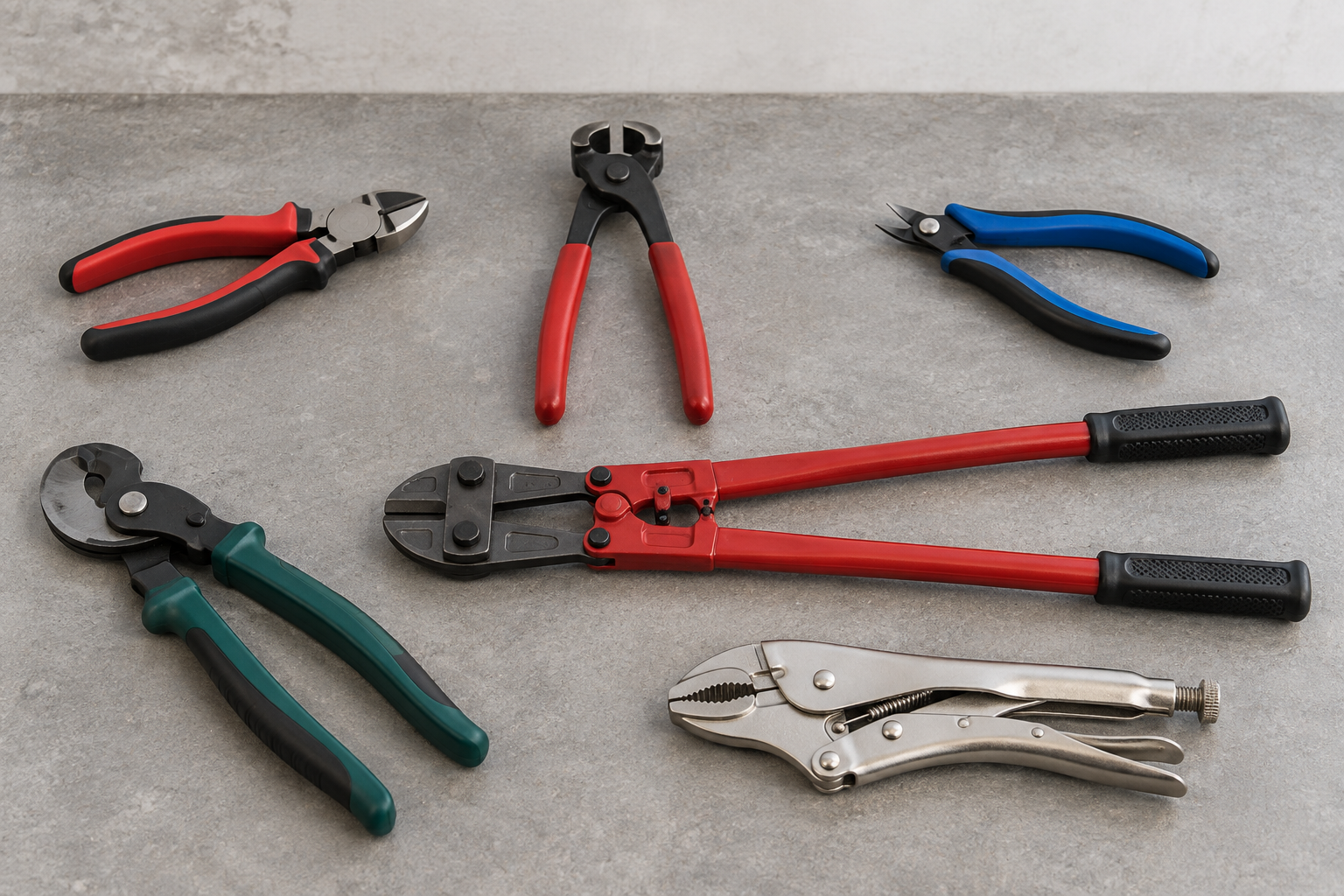
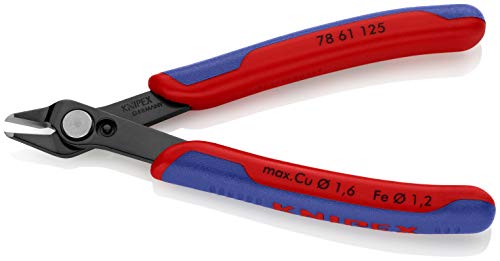
Flush cutters and end cutters can both remove plastic cable ties, but they approach the job differently. A flush cutter has a cutting edge designed to leave one side of the cut nearly level with the workpiece. An end cutter, sometimes called a nipper or end-cutting plier, has jaws that meet at the end of the tool and usually produces a more prominent wedge or stub.
That distinction matters when a tie is wrapped around a wire bundle, clipped to a plastic panel, or installed against a painted surface. The wrong cutter may leave a sharp nub, crush the tie instead of cutting it, or dig into the material underneath.
As an Amazon Associate we earn from qualifying purchases at no extra cost to you.


For ordinary workshop and household use, a quality flush cutter for plastic zip ties is the better first purchase. An end cutter is useful when access is poor or when you need extra mechanical advantage, but it is less forgiving near a finished surface.
Flush Cutters vs. End Cutters
| Feature | Flush cutters | End cutters |
|---|---|---|
| Cut direction | Blades approach from the side | Jaws cut at the end of the tool |
| Best result | Low-profile, relatively smooth cut | Fast severing with more remaining stub |
| Surface risk | Low when the flat side is positioned correctly | Higher; the jaw tip can act like a pry or chisel |
| Thick or tough ties | Good with proper leverage, but may require more hand force | Usually better leverage |
| Access | Needs room to get the blades around the tie | Can reach into tighter end-on spaces |
| Typical cost | Low to moderate | Low to moderate |
When Flush Cutters Are the Right Choice
Use flush cutters when the cut end will be touched, seen, or positioned near something that can be scratched. This includes cable-management work behind a desk, automotive trim, appliance wiring, 3D printer wiring, and plastic housings. The flat side of the cutter should face the part you want to protect. The beveled side faces the piece of tie being discarded.
A flush cutter does not make the plastic completely harmless. Nylon cable ties can leave a small sharp edge, especially if the blades are dull or the tie is cut at an angle. A good cut should leave a short, low ridge rather than a long spike. If the tie is holding a bundle tightly, avoid twisting the cutter after the cut; twisting can pull the tie against insulation or crack a thin plastic panel.
Choose a cutter with a narrow head for crowded wiring and a spring return for repeated work. For standard 4.8 mm-wide nylon ties, a compact electronics or general-purpose flush cutter is normally sufficient. Heavy-duty ties may exceed the tool’s rating. Do not assume that a larger handle automatically means a better flush cut: oversized cutters can be difficult to position accurately.
If you regularly trim dozens of ties, a heavy-duty flush cutter is worth considering. Look for hardened jaws and a stated cutting capacity for hard plastic, not just copper wire. Many inexpensive diagonal cutters are intended for soft wire and can chip when used on rigid nylon.
When End Cutters Make More Sense
End cutters are useful when a tie is buried in a bundle and you cannot bring side-cutting jaws around it. They also provide more leverage because the cutting edges are close to the pivot. That makes them a practical choice for thick, weather-resistant, or heavily tensioned ties that make small flush cutters flex.
The trade-off is control. The pointed end of an end cutter can contact the panel underneath before the tie is fully severed. Squeezing harder may then dent soft plastic, lift paint, or break a molded clip. The tool can also leave a larger triangular remnant. For a hidden utility area, that may not matter. Near a handhold, wire insulation, or visible trim, it can be a real defect.
Use an end cutter when the surface is protected or when speed and access matter more than finish quality. A general end-cutting plier is usually cheaper than a specialized flush cutter and is fine for cutting ties in a scrap bin, garden supports, shop fixtures, or rough cable routing.
How to Cut a Tie Near a Surface
First, check what is behind the tie. Move loose wires away if possible, and do not cut a tie that may be restraining a pressurized hose, spring-loaded part, or energized cable bundle. Wear eye protection: a tensioned tie can release suddenly, and small pieces of nylon can fly several feet.
For a flush cutter, place the flat face against the tie head or the surface-side portion of the strap. Cut with one firm squeeze, keeping the jaws square to the tie. If the handles must be forced with both hands, the tie is probably too thick for that cutter. Use a larger tool rather than rocking the blades back and forth.
For an end cutter, approach from the free tail whenever possible. Keep the jaw tips lifted slightly away from the panel, and cut in two stages if the tie is thick: make a partial cut, reposition, then finish it. This reduces the sudden snap that can drive the tool into the surface. Do not use the cutter as a pry bar to lift the remaining stub.
What to Buy
For one-off household jobs, the cheaper option is fine if the ties are standard nylon and the cut is not highly visible. Spend more when you need repeated cuts, work in tight electronics, or cannot risk damage to an expensive panel. Check jaw alignment before buying: closed blades should meet evenly without a visible gap at the tip.
Do not use flush cutters on steel cable ties, hardened wire, or screws. Even one overloaded cut can create a nick that later turns into a broken cutting edge. Keep the tool clean, avoid cutting dirty abrasive ties, and replace it when the blades leave a crushed nub instead of a clean slice.
In practical terms, buy flush cutters for a neat, surface-safe finish and end cutters for access, leverage, and rough work. If you can own only one, choose the flush cutter for most plastic tie trimming; borrow or add an end cutter when thick ties and awkward access become the limiting factors.