What's inside
As an Amazon Associate I earn from qualifying purchases. This post may contain affiliate links at no extra cost to you.
Small electrical enclosure fasteners are usually a poor place to use the biggest tool you own. The hardware is commonly 1/4-inch, 5/16-inch, or 3/8-inch hex, and the job often involves short screws, captive nuts, terminal covers, DIN-rail accessories, or threaded studs. A nut driver is usually faster and less damaging, while a combination wrench is more versatile and sometimes the only tool that will physically fit.
The right choice depends on access, fastener condition, and how much torque the hardware actually needs. For routine enclosure work, I would buy a nut driver first. Keep a combination wrench nearby for obstructions, damaged fasteners, and situations where a driver cannot get straight onto the nut.
As an Amazon Associate we earn from qualifying purchases at no extra cost to you.


Our Top Picks
The basic difference
A nut driver has a socket fixed to a handle. It is slim, quick to place over a hex nut, and easy to turn repeatedly. Many are also available as individual sizes, interchangeable screwdriver-bit sets, or insulated electrical-service tools.
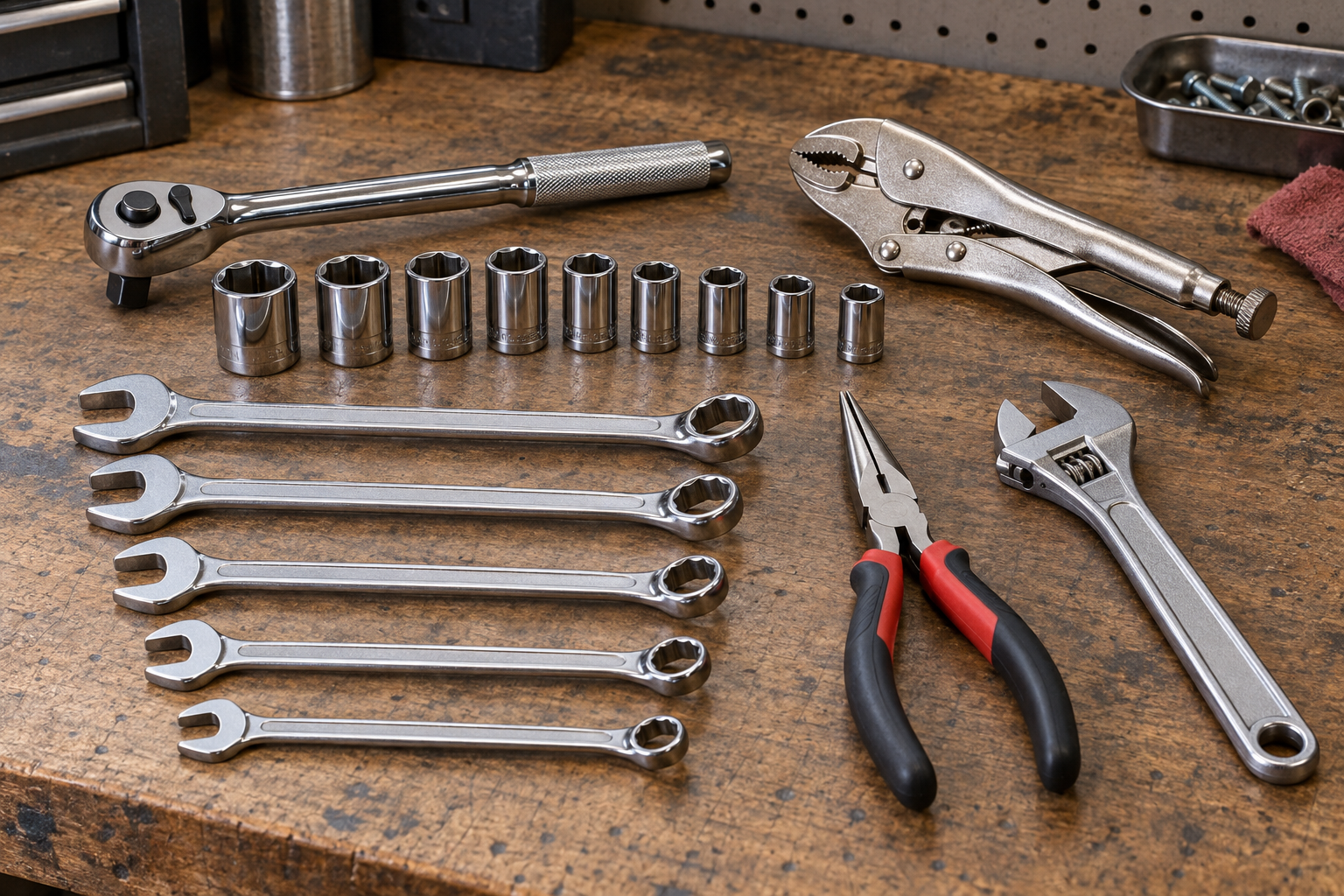
A combination wrench has an open end on one side and a closed, usually 12-point, box end on the other. It works when a nut is mounted on a stud, when there is no room for a socket body, or when you need to hold a bolt head while tightening a nut. Its main disadvantage is slower operation: you get only about 15 degrees of useful movement before repositioning the wrench, and the open end can slip if it is loaded carelessly.
| Feature | Nut driver | Combination wrench |
|---|---|---|
| Speed on exposed nuts | Fast; continuous handle turns | Slow; frequent repositioning |
| Access around small hardware | Good when approached straight-on | Better at angles and in narrow gaps |
| Risk of rounding | Low with the correct six-point size | Low with the box end; higher with the open end |
| Useful for holding a bolt head | Only with a second socket or driver | Yes, especially with two wrenches |
| Best use | Routine enclosure assembly and adjustment | Obstructed, seized, or unusual fasteners |
| Typical cost | Moderate for a useful set | Low for one size; higher for a full set |
When a nut driver wins
Use a nut driver when the fastener is exposed and you can keep the tool square to it. That describes much of the work inside junction boxes, control cabinets, disconnect enclosures, and small metal project boxes. The handle gives better fingertip control than a ratchet, and the tool is less likely to over-tighten a small nut than a long-handled wrench.
For repeated fasteners, the time savings are noticeable. A 1/4-inch nut driver can spin a loose nut off in seconds, while a combination wrench may need several dozen repositioning strokes. The nut driver also reduces the chance of dropping a small nut because the socket surrounds it. A magnetic version can help during assembly, though magnetism is not reliable enough to support a nut in every orientation.
Choose a six-point socket whenever possible. Six points contact the flats of the nut and tolerate more torque than a 12-point design. A properly sized six-piece nut driver set covering common small sizes is more useful than buying one unusually long driver.
Do not use a nut driver as a breaker bar. Small enclosure hardware often uses machine screws around 4-40, 6-32, 8-32, or metric M3 and M4 sizes. Excessive force can strip the screw head, pull threads from thin sheet metal, crack a plastic standoff, or distort a sealing flange. Tighten until the joint is secure and the washer is seated; use the equipment manufacturer’s torque specification when one is provided.
When a combination wrench is better
A combination wrench becomes the better tool when the fastener is partly blocked by a wire duct, terminal block, conduit fitting, or enclosure wall. It can slide onto a nut from the side, where a nut driver cannot approach squarely. The open end is particularly useful for a nut on a long stud or for holding a cable-gland body while turning its locknut.
The box end is preferable for tightening. A six-point box wrench grips the flats more securely and is less likely to round a soft brass or plated nut. An open-end wrench is convenient, but keep it fully seated and avoid leaning sideways on it. If the jaws spread or the wrench contacts only two corners, stop and select the next correct size rather than forcing it.
A wrench also makes sense when the fastener is already damaged or contaminated. A quality box end may grip a slightly battered hex where a nut driver bottoms against an obstruction. For stubborn hardware, penetrating oil may help on non-electrical exterior fasteners, but never spray indiscriminately inside an energized enclosure or near contacts.
Safety and technique around electrical enclosures
De-energize the circuit, lock it out when applicable, and verify the absence of voltage with a properly rated tester before putting a metal tool inside. An insulated handle does not make work on live equipment safe. It only adds a layer of protection against accidental contact and should not replace isolation and testing.
Remove loose nuts, washers, and clipped wires before closing the enclosure. A dropped metal part can create a short circuit later, even if the cabinet appears to work during a quick test. Keep fasteners organized because mixing inch and metric hardware can produce a nut that feels close enough to start but damages the threads.
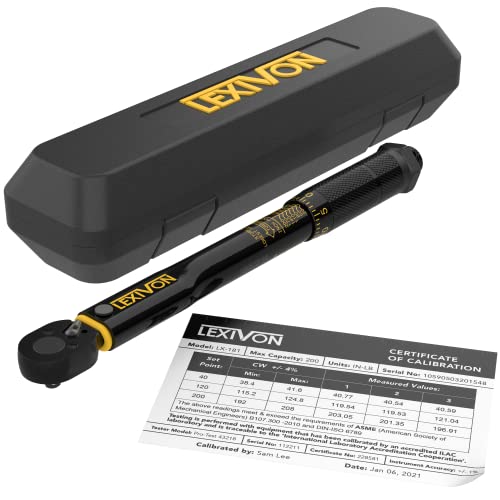
Start nuts by hand for several turns before using either tool. If the nut binds immediately, back it off and inspect the threads. Cross-threading is a common failure in thin panels and captive hardware. For final tightening, hold the tool near the head rather than extending your grip to increase leverage. If the enclosure needs a specific torque, use a small 1/4-inch-drive inch-pound torque wrench, not a guess based on handle force.
What to buy
For occasional household repairs, one 1/4-inch nut driver and a small combination-wrench set may be enough. If you work on control panels or electrical enclosures regularly, buy a 1000-volt-rated insulated nut driver set from a reputable tool maker, plus combination wrenches in the common sizes used by your equipment. Insulation should be intact, clean, and free of cuts; discard a damaged insulated tool.
A cheaper non-insulated nut driver is perfectly reasonable for de-energized, non-contact assembly work. You do not need a premium set to tighten a few 6-32 cover nuts. Spend more for insulation, better fit, corrosion resistance, or frequent professional use—not simply because the tool has a longer handle.
The practical setup is not either-or: use the nut driver for speed and controlled tightening, and reach for the combination wrench when access, damaged hardware, or a second holding tool changes the job.