What's inside
As an Amazon Associate I earn from qualifying purchases. This post may contain affiliate links at no extra cost to you.
Seized screws are where the difference between a manual impact driver and a cordless impact driver matters most. Both combine rotation with hammering, but they deliver that force in very different ways. The manual tool is slower and more controlled. The cordless tool is faster and can apply far more torque, but it can also destroy a screw head before you have time to react.
For one stubborn screw on a car, appliance, hinge, or piece of outdoor equipment, a manual impact driver is often the better first choice. For dozens of rusted fasteners or screws that are deeply seized, a cordless impact driver saves time—provided you use the right bit, speed, and technique.
As an Amazon Associate we earn from qualifying purchases at no extra cost to you.


Our Top Picks



How the two tools work
A manual impact driver is a steel hand tool with a bit holder on one end. You fit the correct bit, place it firmly in the screw, and strike the back of the tool with a hammer. The internal mechanism converts that downward blow into a short burst of rotational force, usually turning the bit slightly counterclockwise while driving it into the screw head.
That downward pressure is important. It keeps the bit seated and reduces cam-out, the tendency for the bit to climb out of the recess and round it over. You control every strike, so the tool is unlikely to apply more torque than the screw or bit can tolerate in a single instant.
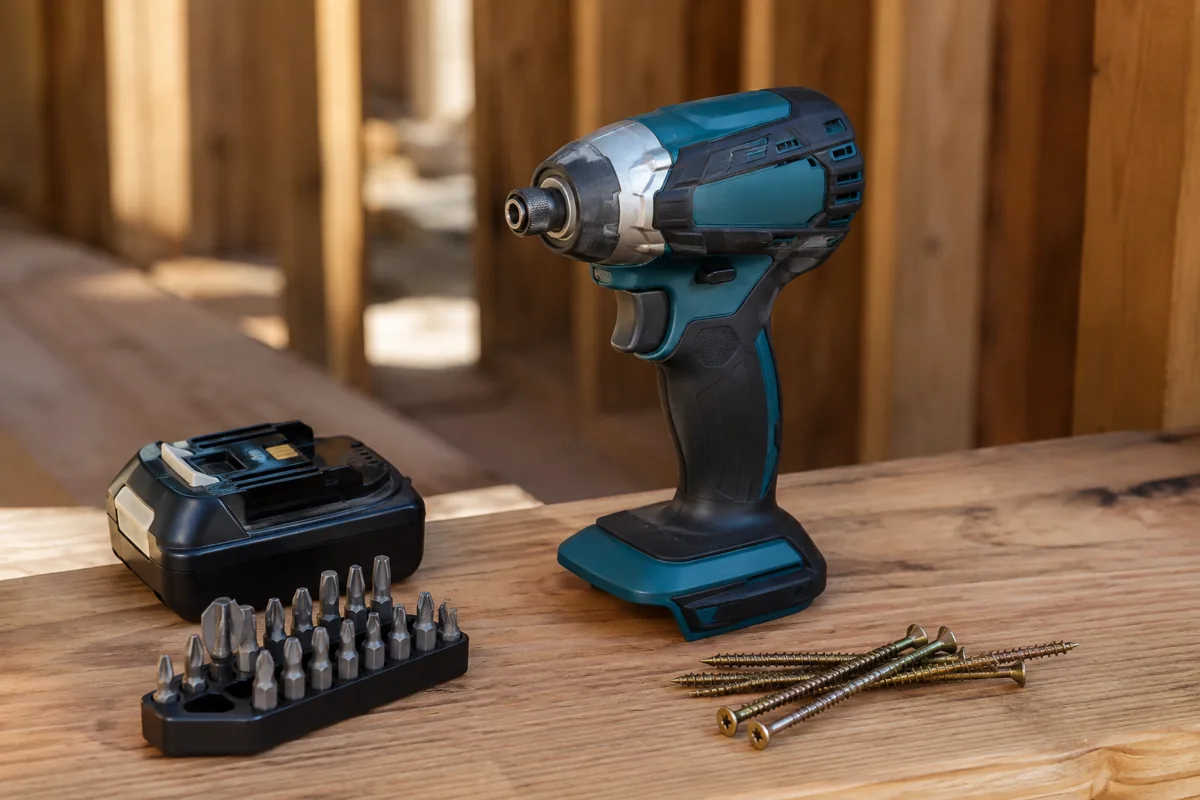
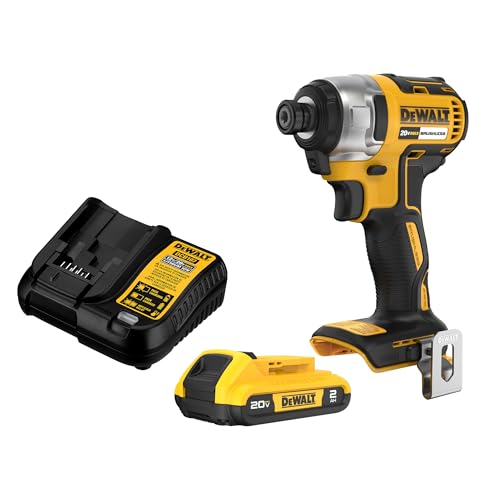
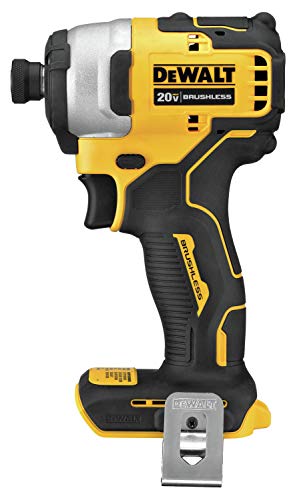
A cordless impact driver uses a motor and a rotating hammer-and-anvil mechanism. The motor spins the bit until resistance rises, then the hammer strikes repeatedly. Instead of one deliberate blow, it delivers many impacts per second. Most modern models have speed settings or a variable-speed trigger, but even the lowest setting can be aggressive compared with a hand tool.
Manual impact driver vs. cordless impact driver
| Factor | Manual impact driver | Cordless impact driver |
|---|---|---|
| Typical cost | About $15–$35 for a useful kit | About $80–$250, including battery and charger |
| Best use | One to several seized screws | Many fasteners or very high resistance |
| Control | Excellent; one strike at a time | Good with practice, but easy to overdo |
| Stripped-head risk | Low when struck squarely | Higher if run too fast or with a poor bit |
| Access and noise | Compact, simple, and relatively quiet | Faster, but bulky and much louder |
| Power source | Hammer only | Battery, with charging and storage requirements |
Choose a manual impact driver when control matters
Buy a manual impact driver bit set if you work on older motorcycles, lawn equipment, electrical boxes, door hardware, or household repairs. It is especially useful for Phillips and JIS-style screws that have been tightened hard, exposed to moisture, or stuck by light corrosion.
The manual tool is the safer option when the fastener is small, the surrounding material is fragile, or replacement parts are difficult to find. A few firm hammer blows can break the initial bond without spinning the screw fast enough to heat or damage nearby plastic. It also works well in cramped spaces where a cordless tool cannot be held square to the screw.
Its limitation is output. If the screw does not move after roughly five to ten solid strikes, continuing to hit harder may damage the bit, the screw head, or the workpiece. At that point, penetrating oil, heat, locking pliers, or a screw extractor may be more useful than additional hammering.
Choose a cordless impact driver for volume and stubborn fasteners
A cordless impact driver kit makes sense when you need to remove a row of seized screws, strip a large machine, or work on construction hardware all day. Its repeated impacts can break corrosion loose faster than hand strikes, and the motor does the repetitive work.
Do not confuse an impact driver with a cordless impact wrench. An impact driver normally uses a 1/4-inch hex bit holder and is designed for screws and smaller bolts. An impact wrench uses a square drive and much higher torque for automotive nuts and large fasteners. Using an impact driver on a heavily seized suspension bolt is likely to waste time or damage the tool.
For screw removal, select the lowest speed, use a short impact-rated bit, and squeeze the trigger gradually. Let the bit hammer for one or two seconds, then stop and inspect the head. If the recess begins to deform, more power will not fix the problem. Use a larger bit, a different bit style, heat, or a manual impact driver instead.
Technique that prevents damage
Clean dirt and paint from the screw recess before choosing a bit. The bit should fill the recess completely, with no visible rocking. For Phillips screws, a worn PH2 bit is a common reason for failure; replace it rather than trying to compensate with more force. Use impact-rated driver bits with a cordless impact driver, not ordinary brittle screwdriver bits.
Apply penetrating oil and allow it time to work. Ten to fifteen minutes can help with light corrosion; heavily rusted hardware may benefit from several hours. Tap the screw head lightly before attempting removal. Those vibrations can help the oil enter the joint, but avoid hammering directly on delicate covers or thin sheet metal.
With a manual impact driver, hold the tool perfectly in line with the screw and strike the end squarely. Start with moderate blows and check for movement after each one. With a cordless driver, press firmly into the screw, start slowly, and keep the tool straight. Do not lean sideways on the bit while it is impacting.
Know when neither impact driver is the answer
Impact tools are poor choices for screws with a completely rounded recess, a broken head, or severe galvanic corrosion. They can also damage soft brass screws, thin aluminum threads, plastic housings, and decorative hardware. If the head is already compromised, try gripping the exposed head with locking pliers, cutting a straight slot, or using a left-hand drill bit.
Heat can help break corrosion, but use it only when nearby seals, wiring, fuel, paint, and plastic are protected. For a screw that snaps during removal, the repair may become much more involved than the original job. The cheapest tool is the one that removes the fastener without creating a second problem.
Which one should you buy?
For occasional repairs, buy the manual impact driver first. It is inexpensive, takes almost no storage space, and offers the best control for a single seized screw. A cordless impact driver is worth the higher cost if you already own compatible batteries, regularly remove many fasteners, or need to work quickly on larger projects. If you can afford both, use the manual tool for diagnosis and delicate work, then bring out the cordless tool when the screw is sound and the job is repetitive.