What's inside
- Top Picks at a Glance
- Roof Leak Sealants Compared
- 1. Liquid Rubber Color Roof Sealant: Best for Flat and Metal Roofs
- 2. Henry Wet Patch Black Asphalt Roof Cement: Best for Small Repairs
- 3. EternaBond RoofSeal Tape: Best for Seams and RV Roofs
- 4. Gardner-Gibson Leak Stopper Rubberized Roof Patch: Best Brush-On Patch
- 5. Geocel 4500 Roof Bonding Sealant: Best for Flashing and Edges
- 6. Gorilla Patch & Seal Liquid Rubber: Best Multi-Surface Liquid Rubber
- 7. Flex Seal Liquid Rubber Sealant Coating: Best Large-Volume Liquid
- Also Consider
- Which Sealant Fits Which Leak?
- How We Chose
- Buying Guide: How to Choose a Roof Leak Sealant
- How to Apply a Sealant Properly
- Common Mistakes
- Coverage Math: How Much Do You Need?
- A Seasonal Roof Check Routine
- Frequently Asked Questions
- Which One Should You Buy?
- Sources
As an Amazon Associate I earn from qualifying purchases. This post may contain affiliate links at no extra cost to you.
The best waterproof sealants for roof leaks depend on the roof and the kind of leak: Liquid Rubber Color Roof Sealant suits flat and metal roofs that need a full coating, Henry Wet Patch asphalt roof cement is the classic choice for a small crack or flashing edge on a shingle or built-up roof, and EternaBond RoofSeal tape is the cleanest fix for seams and RV or metal roof joints. No sealant replaces a roof that has reached the end of its life, so treat these products as repairs and maintenance. This guide covers seven main picks, four alternates, and a decision table that matches each product to a roof type and leak location.
This guide is research-based. We did not personally use these products. We compared listing details and maker descriptions and added standard roof repair guidance from manufacturers and trade publications. Where a listing does not state a detail, we write “not listed.” If your roof is steep, high or wet, hire a roofer; falls are a leading cause of home repair injuries.
As an Amazon Associate we earn from qualifying purchases at no extra cost to you.


Top Picks at a Glance
- Best Overall Coating: Liquid Rubber Color Roof Sealant, 1 gallon, for flat and metal roofs.
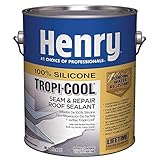
- Best for Small Shingle and Flashing Repairs: Henry Wet Patch Black Asphalt Roof Cement, 11 oz.
- Best Seam Tape: EternaBond RoofSeal White, 4 inch by 50 feet.
- Best Brush-On Patch: Gardner-Gibson Leak Stopper Rubberized Roof Patch, 1 gallon.
- Best Caulk-Style Bond: Geocel 4500 Roof Bonding Sealant, 10 fl oz.
- Best Multi-Surface Liquid Rubber: Gorilla Patch & Seal Liquid Rubber, 32 oz.
- Best Large-Volume Liquid: Flex Seal Liquid Rubber Sealant Coating, 128 oz, gray.
Roof Leak Sealants Compared
| Product | Best for | Key specs | Watch for | Price tier |
|---|---|---|---|---|
| Liquid Rubber Color Roof Sealant | Flat and metal roofs, low-slope | 1 gallon, elastomeric, UV-stable, flexible, beige | Needs a clean, dry surface; cure time not listed | Mid-range |
| Henry Wet Patch Roof Cement | Cracks, flashing, shingle edges | 11 oz, black asphalt based | Black, tacky and hard to remove from tools | Budget |
| EternaBond RoofSeal Tape | Seams, RV and metal roofs | 4 in x 50 ft, 35 mil, UV stable, white | Press hard, surface must be clean | Mid-range |
| Gardner-Gibson Leak Stopper | Built-up, SBS modified and metal roofs | 1 gallon, flexible, listed 10-year warranty, black | Warranty terms are the maker’s; read them | Budget |
| Geocel 4500 | Bonding flashing, vents and edges | 10 fl oz cartridge, black, roof bonding sealant | Needs a caulk gun | Budget |
| Gorilla Patch & Seal | Roofs, gutters, small areas | 32 oz, black, flexible rubberized, UV resistant | Check recoat and cure times on the label | Mid-range |
| Flex Seal Liquid | Gutters, masonry, sheds and roofs | 128 oz, gray, brush, roll, dip or pour | Not a replacement for a roof coating system | Premium |
1. Liquid Rubber Color Roof Sealant: Best for Flat and Metal Roofs
- Size: 1 gallon
- Type: elastomeric roof coating, beige
- Surfaces: flat and metal roofs; compatible with low-slope roofs
- Claims on the listing: waterproof, UV-stable, flexible, resists cracking and chipping
- Coverage and cure time: not listed here
Best for: A shed, porch or small flat roof with hairline cracks or aging coating. Skip if: The roof has standing water, structural damage or wet insulation.
Elastomeric coatings stay flexible as roofs expand and contract with temperature, which is why they are used on low-slope and metal roofs. A light-colored coating also reflects sunlight, which lowers the roof surface temperature on hot days. Apply it in dry weather with a roller or brush after cleaning dust, loose grit and old flaking material.
Plan the job in layers: patch cracks and fastener heads first, let that cure, then roll on the coating in thin even coats. Check the coverage rate on the container, as coverage per gallon varies with the surface. Do not apply before rain or in very cold temperatures.
Pros: Flexible; color option; full-coating approach; suited to flat roofs. Cons: More prep work; cure time depends on weather; not for steep or failing roofs.
2. Henry Wet Patch Black Asphalt Roof Cement: Best for Small Repairs
- Size: 11 oz cartridge
- Type: black asphalt roof cement, wet patch
- Uses: cracks, flashing edges, vent boots, small holes
- Cure and temperature range: not listed here
Best for: A small, accessible repair on a shingle or built-up roof. Skip if: You need a clean-looking, color-matched finish.
Asphalt cement is the traditional roofer’s patch, thick enough to fill gaps and sticky enough to adhere to damp surfaces; the “wet patch” name refers to use in damp conditions, but a clean surface still gives the best result. Apply it with a putty knife, pressing it into the crack and feathering the edges. For flashing, run a bead along the metal edge and press the flashing down.
Use gloves and old tools, as asphalt stains and is hard to clean. A cartridge is easy to handle on a ladder or low roof but needs a caulk gun. For a repair larger than your hand, plan on a coating or membrane instead of a patch.
Pros: Familiar, effective patch material; fits a caulk gun; low cost per repair; works on damp surfaces. Cons: Messy; black color shows; not meant for large areas.
3. EternaBond RoofSeal Tape: Best for Seams and RV Roofs
- Size: 4 inches wide by 50 feet
- Thickness: 35 mil total
- Color: white, UV stable
- Type: MicroSealant tape, one-step, listed as durable, waterproof and airtight
Best for: Roof seams, RV and trailer roofs, metal roof lap joints, skylight edges. Skip if: The surface is dirty or greasy and cannot be cleaned.
Tape repairs are clean compared with liquid or asphalt products, since the sealant is already applied to a backing. Cut the tape a few inches longer than the seam, peel the liner, and press it down firmly, working from one end to the other. Use a small roller or a rolling pin to press out air bubbles. The tape needs a clean, dry surface to bond, so wipe the area with a recommended cleaner.
The 4 inch width covers most seams and joints. Wider rolls exist for larger overlaps. Ensure the surface is structurally sound; tape cannot hold a loose seam together or fix rusted-through metal.
Pros: Clean installation; no curing time listed; good for seams; UV stable. Cons: Surface prep matters; cannot be repositioned; less suited to irregular shapes.
4. Gardner-Gibson Leak Stopper Rubberized Roof Patch: Best Brush-On Patch
- Size: 1 gallon
- Color: black
- Surfaces: built-up roofs, SBS modified roofs, metal roofs and others
- Listing claim: flexible, listed 10-year warranty
Best for: Brushing on patches over cracks and small bare areas on common low-slope roof types. Skip if: You need a reflective light-colored finish.
Rubberized patch compounds are thinner than roof cement and can be applied with a brush or trowel, so they work well for larger areas such as flashings and valleys. The black color absorbs heat but is common on built-up roofs. Because the listing mentions a 10-year warranty, read the label for what is covered and what installation requirements apply.
For best results, embed a layer of reinforcing fabric into the first coat on wide cracks, then add a second coat. Always clean the surface first.
Pros: Gallon size; multiple roof types; flexible; brush-on. Cons: Black only; warranty terms matter; not for steep roofs.
5. Geocel 4500 Roof Bonding Sealant: Best for Flashing and Edges
- Size: 10 fl oz cartridge
- Color: black
- Use: roof bonding sealant for roofing supplies and repairs
- Temperature, cure time and adhesion range: not listed here
Best for: Bonding loose flashing, vent collars and edge metal. Skip if: You want to coat a large area.
A bonding sealant behaves like heavy-duty caulk. Use it where metal meets masonry or shingle, such as step flashing, chimney edges and vent pipes. Clean both surfaces and apply a continuous bead, then tool it with a gloved finger or a plastic spoon to push the sealant into the joint.
Because it comes in a cartridge, you need a caulk gun and should plan to cut the nozzle at an angle. Store the cartridge sealed; a partly used one may skin over.
Pros: Precise application; good for details; cartridge convenience. Cons: Small area coverage; black bead is visible; needs a caulk gun.
6. Gorilla Patch & Seal Liquid Rubber: Best Multi-Surface Liquid Rubber
- Size: 32 oz
- Color: black
- Type: rubberized liquid sealant, UV resistant
- Uses listed: roofs and gutters; seals out water, air and moisture
Best for: Spot repairs on gutters, small roof areas, and joints that flex. Skip if: The area is large or constantly under standing water.
A quart-size liquid rubber is a handy middle step between a cartridge and a gallon bucket. It brushes on and dries to a flexible film. Gutters are a good use: clean out leaves, scrub away rust or old sealant, apply the rubber along seams and end caps, and let it dry as the label directs.
Apply thin coats rather than one thick layer, as thick layers can sag and cure slowly. Use a disposable brush and store the container tightly closed.
Pros: Flexible; mid-size container; works on gutters and roofs; brand with strong retail presence. Cons: Only black in this listing; takes time to cure; not for deep gaps.
7. Flex Seal Liquid Rubber Sealant Coating: Best Large-Volume Liquid
- Size: 128 oz (1 gallon), gray
- Application: brush, roll, dip or pour
- Claims on the listing: waterproof, UV resistant, prevents rust and corrosion; for roofs, basements, RVs, gutters and masonry
Best for: People who want one multi-purpose liquid for several repair projects around the property. Skip if: You need a specialized roof coating system with a long warranty.
Flex Seal Liquid is a general-purpose rubber coating. Its biggest advantage is versatility: you might use it on a gutter seam, a shed roof joint, a masonry crack and a leaky planter in one afternoon. The gray color blends with many metal roofs and gutters.
For roof repairs, pair it with proper prep: clean, dry surfaces, thin coats and reinforcement over larger cracks. As with all liquids, check the label for temperature limits and cure times.
Pros: Multi-purpose; large size; several application methods; gray color. Cons: Not roof-specific; can be a poor value if you need only a small repair; thick coats can cure slowly.
Also Consider
- Sashco 14004 Clear Roof Sealant, 1 gallon: A clear, paintable sealant listed for shingles, metal, brick and tile.
- DAP Roof Waterproof Asphalt Sealant, 10.1 oz: A cartridge asphalt sealant for small repairs.
- Rust-Oleum 710 Elastomeric Roof Coating, 5 gallon, white: A large-volume white coating for bigger flat roof projects.
- Gorilla Waterproofing Tape, 4 inch by 10 feet, black: A short tape roll for small seam and hole repairs.
Which Sealant Fits Which Leak?
| Situation | Best option here | Why |
|---|---|---|
| Hairline cracks on a flat or metal roof | Liquid Rubber Color Roof Sealant | Flexible coating covers cracks and the surrounding area |
| Leak around a vent pipe or flashing | Geocel 4500 or Henry Wet Patch | Thick bead fills the gap at the joint |
| Open seam on an RV or metal roof | EternaBond RoofSeal | Tape bridges the seam without liquid |
| Cracked built-up roof area | Gardner-Gibson Leak Stopper | Brush-on patch for built-up and modified roofs |
| Gutter seam or shed roof joint | Gorilla Patch & Seal or Flex Seal Liquid | Liquid rubber flexes with temperature changes |
| Large flat roof, widespread wear | Rust-Oleum 710 or Liquid Rubber (multiple gallons) | Full coating covers the whole surface |
How We Chose
We began with the products on our list and selected those that fit roof leak repair, rejecting items that did not (an industrial craft adhesive on our original list was left out because it is not designed for roofs). We read the title and details on each listing, then checked them against general guidance from sources such as the National Roofing Contractors Association, the Asphalt Roofing Manufacturers Association and manufacturer data sheets where available. We did not personally use these products. Anything not stated in a listing is labeled “not listed,” and we avoided guarantees about how long any repair will last.
Buying Guide: How to Choose a Roof Leak Sealant
Match the product to the roof type
Asphalt shingle roofs usually take asphalt cement or a compatible bonding sealant. Metal roofs do well with tape or elastomeric coatings. Flat and low-slope roofs are best with elastomeric coatings. Always read the label to confirm compatibility with your roofing material.
Choose the form: tape, cartridge, can or bucket
Tape is the cleanest for seams, cartridges are best for flashing and details, cans suit patches, and gallon or five-gallon containers suit coating a whole area. A rough guide: one gallon of coating often covers about 50 to 100 square feet depending on thickness, but check the label for exact coverage.
Check temperature and cure limits
Most products need dry weather and temperatures above about 40 to 50 degrees Fahrenheit. Rain within a day of application can wash away uncured product. Check the forecast for 24 to 48 hours.
Look for UV and flexibility
Roofs bake in sun and shrink in cold, so choose products that state UV resistance and flexibility. Color matters too: white or light coatings reflect heat, while black absorbs it.
Plan for prep and safety
Clean, dry surfaces are essential. Wear gloves and eye protection, ventilate if working near openings, and use fall protection when working at height. If you are unsure about the roof’s condition, ask a roofer.
How to Apply a Sealant Properly
- Locate the leak. Trace water stains in the attic to the roof area above and look for cracks, loose flashing, or missing fasteners.
- Clean the area with a stiff brush and remove loose granules and debris.
- Dry the surface. Even products marketed for wet surfaces perform better when the surface is as dry and clean as possible.
- Apply the product as directed: tape pressed firmly, cement troweled in, liquid brushed in thin coats.
- Reinforce wide cracks with fabric where the maker allows.
- Let it cure for the time stated on the label before exposing it to rain or foot traffic.
- Inspect the area after the next rain and again each season.
Common Mistakes
- Sealing over wet or dirty surfaces.
- Using a thick single coat rather than thin coats.
- Treating the symptom: the leak may come from a point several feet uphill from the stain.
- Applying before rain or in cold weather.
- Ignoring a roof that needs replacement.
Coverage Math: How Much Do You Need?
Coverage numbers differ by product and thickness, so use the label as the final word, but a quick estimate prevents running out mid-job. Measure the roof area in square feet by multiplying length by width. Suppose a shed roof measures 10 by 12 feet, which is 120 square feet. If the label says a gallon covers about 50 square feet at the recommended thickness, you need roughly 2.4 gallons for one coat, so plan on three gallons or buy a five-gallon container if you need two coats. For a seam repair, the math is simpler: a 4 inch wide tape needs one foot of length for each foot of seam, plus a few inches of overlap at each end. A 50 foot roll therefore covers about 45 feet of seam when you allow for overlaps and trimming.
| Job | Measurement | Product form | Quantity to plan |
|---|---|---|---|
| Shed roof recoat (10 x 12 ft) | 120 sq ft | Gallon coating | About 3 gallons for two coats, depending on the label rate |
| Metal roof seam (30 ft run) | 30 linear ft | 4 in tape | One 50 ft roll with spare for corners |
| Vent pipe flashing | Two to three joints | Cartridge | One 10 fl oz cartridge |
| Small shingle crack (under 12 in) | One patch | 11 oz roof cement | One cartridge |
| Gutter seam repair (20 ft gutter) | Joints and end caps | 32 oz liquid rubber | One container |
These quantities are planning estimates based on the examples, not guarantees. Always buy slightly more than you calculate, because uneven surfaces absorb more product than flat ones.
A Seasonal Roof Check Routine
Sealant repairs last longest when you inspect them regularly. In spring, after the last freeze, walk the roof edge from the ground with binoculars or check from a ladder at the eaves, looking for lifted flashing, cracked sealant beads or missing shingles. In summer, check the attic on a bright day for pinpricks of light, which show holes. In autumn, clear gutters and valleys, because leaves hold water against seams. In winter, look for ice dams and stains on ceilings after thaws. Keep a short log with dates and photos, so you can see when a repair starts to fail rather than finding out through a stain on the ceiling.
If you see the same area leaking after two repair attempts, stop adding product. Repeated layers of sealant can hide a deeper problem such as rotted decking or failed flashing, and a roofer can fix the cause. A small repair that buys time is a reasonable choice, but a roof that needs structural work should be inspected.
Frequently Asked Questions
What is the best sealant for a roof leak?
It depends on the roof: elastomeric coatings for flat and metal roofs, asphalt cement for flashing and shingle repairs, and tape for seams. Use the table above to match.
Can I apply roof sealant in the rain?
Most products need a dry surface and dry weather for the cure period. Some wet-patch products are made for damp surfaces, but a dry, clean area always gives a better bond.
How long will a roof sealant repair last?
It varies by product, roof condition and weather. Treat any sealant as a repair or maintenance step, and check it every season. If the roof is old, plan for replacement.
Is Flex Seal good enough for a roof?
A liquid rubber can help with small repairs and gutters. For a large roof area, a dedicated elastomeric roof coating system is usually the better route.
Do I need to remove the old sealant first?
Remove loose or flaking material, but sound old sealant that is firmly bonded can sometimes be coated over. Check the product label for compatibility.
Is roof cement the same as caulk?
No. Roof cement is thicker and asphalt-based, while caulk-style sealants such as Geocel 4500 are applied from a cartridge for bonding and sealing joints.
When should I call a roofer?
Call a roofer for steep roofs, large damaged areas, sagging decks, wet insulation, or if the leaks keep returning after repairs.
Which One Should You Buy?
For a flat or metal roof with several small cracks, pick Liquid Rubber Color Roof Sealant. For a vent pipe, chimney flashing or shingle edge, buy Henry Wet Patch or Geocel 4500. For seams on a trailer, RV or metal roof, buy EternaBond tape. Keep Gorilla Patch & Seal or Flex Seal Liquid on hand for gutters and multi-purpose jobs. Inspect after the next rain, and plan for replacement if the roof is near the end of its life.
Sources
- Manufacturer product pages and labels for Liquid Rubber, Henry, EternaBond, Gardner-Gibson, Geocel, Gorilla and Flex Seal
- National Roofing Contractors Association, roof maintenance guidance
- Asphalt Roofing Manufacturers Association, repair and maintenance information
- This Old House, roof leak repair guidance
Last updated: October 2026