What's inside
As an Amazon Associate I earn from qualifying purchases. This post may contain affiliate links at no extra cost to you.
Our Top Picks


Robertson vs. Torx at a Glance
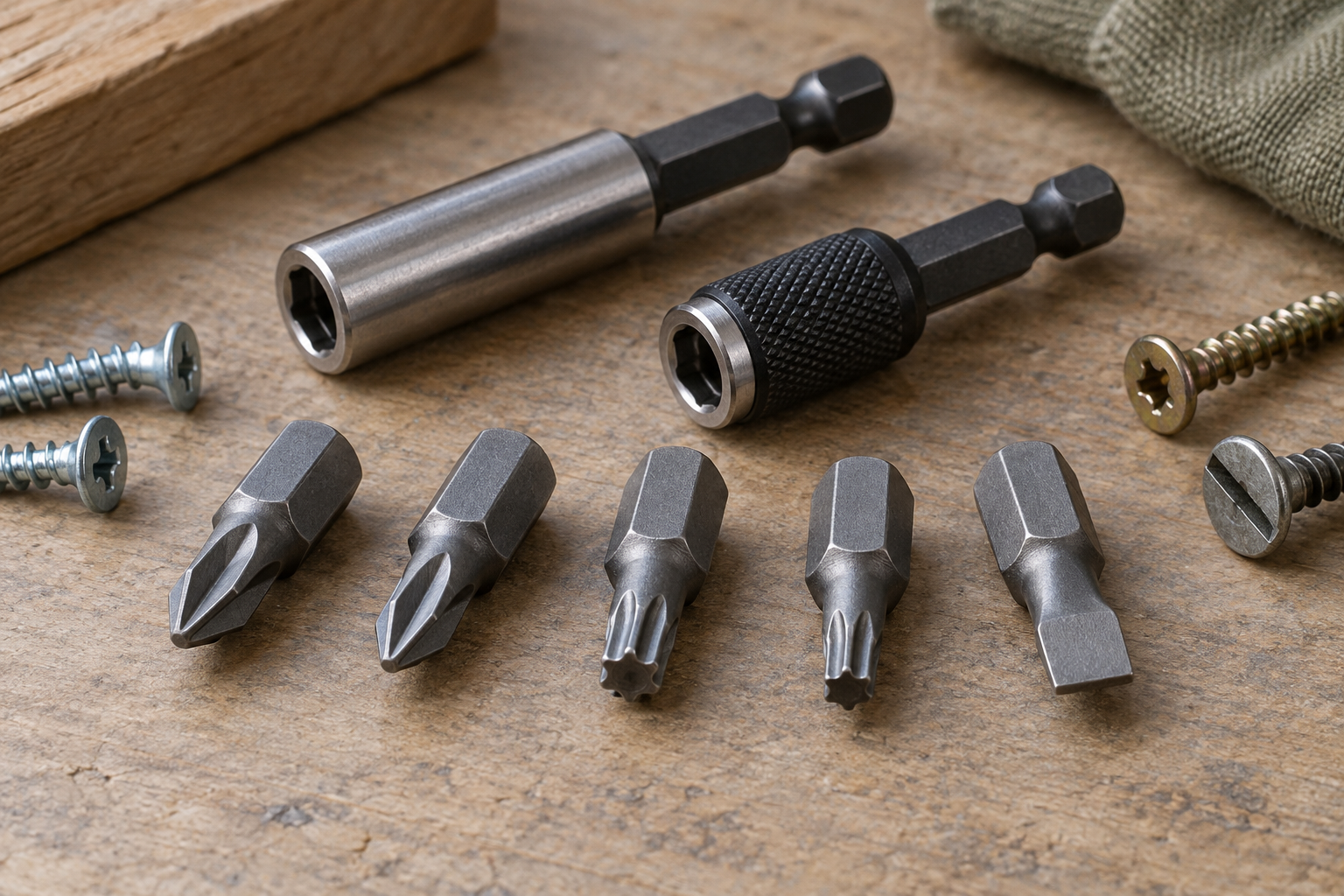
For high-torque wood fastening, both Robertson (square-drive) and Torx bits are better choices than Phillips. Their recesses hold the bit more securely, resist cam-out, and transfer more power from a drill or impact driver. The practical difference is that Torx usually handles the highest torque with the least slipping, while Robertson remains simple, inexpensive, and very effective for general construction.
For most deck screws, structural wood screws, timber fasteners, and cabinet hardware, the decision comes down to the screw system you are buying. You generally cannot choose a Torx bit for a Robertson screw or vice versa. The recess shapes are not interchangeable, and forcing the wrong bit will damage both the screw and the bit.
As an Amazon Associate we earn from qualifying purchases at no extra cost to you.


| Feature | Robertson | Torx |
|---|---|---|
| Recess shape | Square | Six-lobed star |
| High-torque performance | Very good | Excellent |
| Bit retention | Good, often holds screw on bit | Good, especially with correctly sized bit |
| Cam-out resistance | Good | Excellent |
| Common wood-screw sizes | #1, #2, #3 | T15, T20, T25, T30, T40 |
| Best reason to choose it | Fast, economical general-purpose fastening | Maximum torque and reduced bit damage |
Torque, Cam-Out, and Driver Control
Cam-out occurs when the bit climbs out of the screw recess under load. It rounds the recess, damages the bit, and can leave a sharp slip mark on the wood or your hand. Phillips screws are particularly prone to this because their angled recess is designed to release the bit under excessive torque.
Robertson improves on Phillips with nearly vertical walls in the square recess. A correctly sized bit stays engaged well, and the tapered square shape often holds the screw on the bit before driving. That is useful when starting screws one-handed or working overhead.
Torx has six driving lobes that spread load across a larger contact area. The bit engages deeply without relying on heavy downward pressure. This makes it the stronger choice when driving long structural screws, ledger screws, timber screws, or large fasteners into dense hardwood. A quality T25 or T30 bit can tolerate repeated impact-driver use better than a small Robertson bit used at its limit.
Neither design is immune to failure. A worn bit, the wrong size, a screw made from soft metal, or excessive impact-driver force can strip either recess. Torx usually gives more warning before failure, but once a Torx recess rounds over, removal can be difficult because the damaged lobes offer little for pliers or a standard extractor to grip.
Which Bit Sizes Matter?
Robertson sizes are commonly identified as #1, #2, and #3. The #2 is the everyday size for many wood screws, while #3 is used on larger construction fasteners. A #1 bit in a #2 recess will wobble and strip the screw. A #3 bit may not seat fully in a smaller recess, even if it appears to fit.
Torx sizes are designated with a “T.” T15 and T20 are common on smaller trim and cabinet screws. T25 is one of the most widely used sizes for general wood construction, while T30 and T40 are common on heavier structural screws. Because several sizes look similar, seat the bit fully and check that there is no visible gap between the bit and the bottom of the recess.
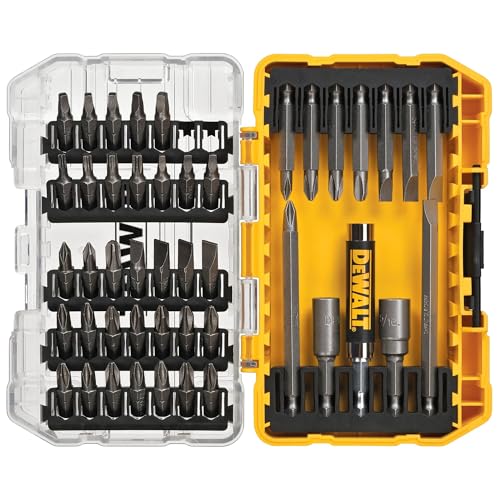
For a general-purpose kit, a Robertson square-drive impact bit set is inexpensive and covers common screw sizes. If you regularly install structural screws, choose a Torx impact driver bit set with T15 through T30 rather than buying only a T25. Having the correct size matters more than choosing one drive style in the abstract.
Using Them With an Impact Driver
Use bits labeled for impact drivers when driving high-torque fasteners. Impact-rated bits have a tougher steel formulation and a flex zone designed to handle repeated shock loading. Standard chrome or general-purpose bits can snap at the shank or wear quickly, especially in an impact driver’s highest setting.
Keep the driver aligned with the screw. Leaning the tool sideways concentrates force on one edge of the recess, which accelerates cam-out. Start at low speed until the threads bite, then increase speed while keeping firm, straight pressure. For long screws, drill a pilot hole when the wood is prone to splitting or when the fastener is close to an edge.
Do not rely on the bit to compensate for excessive torque. If a screw stops before the head reaches the surface, back it out and clear the hole rather than repeatedly hammering it with an impact driver. A clutch-equipped drill gives better control for cabinet work and softwood, where burying the head too deeply can crush fibers or damage a finished surface.
When Robertson Is the Better Buy
Choose Robertson when the screws are readily available, the work is ordinary framing or woodworking, and cost matters. Robertson screws and bits are particularly convenient for repeated assembly because the bit often holds the screw without a magnetic holder. They are also a good choice for users who already own a large supply of square-drive fasteners.
The cheaper option is perfectly adequate for fence repairs, shelving, indoor framing, plywood projects, and most softwood construction. A #2 Robertson bit in good condition will drive a large number of screws cleanly when the fastener size is moderate and the driver is used sensibly.
When Torx Is Worth the Extra Cost
Choose Torx for long or thick fasteners, dense hardwood, pressure-treated lumber, and jobs involving hundreds of screws. Its greater resistance to cam-out reduces interruptions and helps preserve the screw heads. This is especially valuable when removing fasteners later, since a damaged recess turns routine maintenance into a drilling or extraction job.
For deck construction or structural timber work, buy screws and bits as a matched system rather than mixing brands and sizes at random. A Torx wood construction screw assortment makes sense if you need several lengths, but do not pay for premium structural screws when ordinary coated wood screws meet the load and corrosion requirements of the project.
The bottom line for buying is straightforward: Robertson is a dependable, economical choice with excellent everyday control; Torx is the better option when torque, dense material, fastener length, and future removal matter more than the lowest purchase price.