What's inside
As an Amazon Associate I earn from qualifying purchases. This post may contain affiliate links at no extra cost to you.
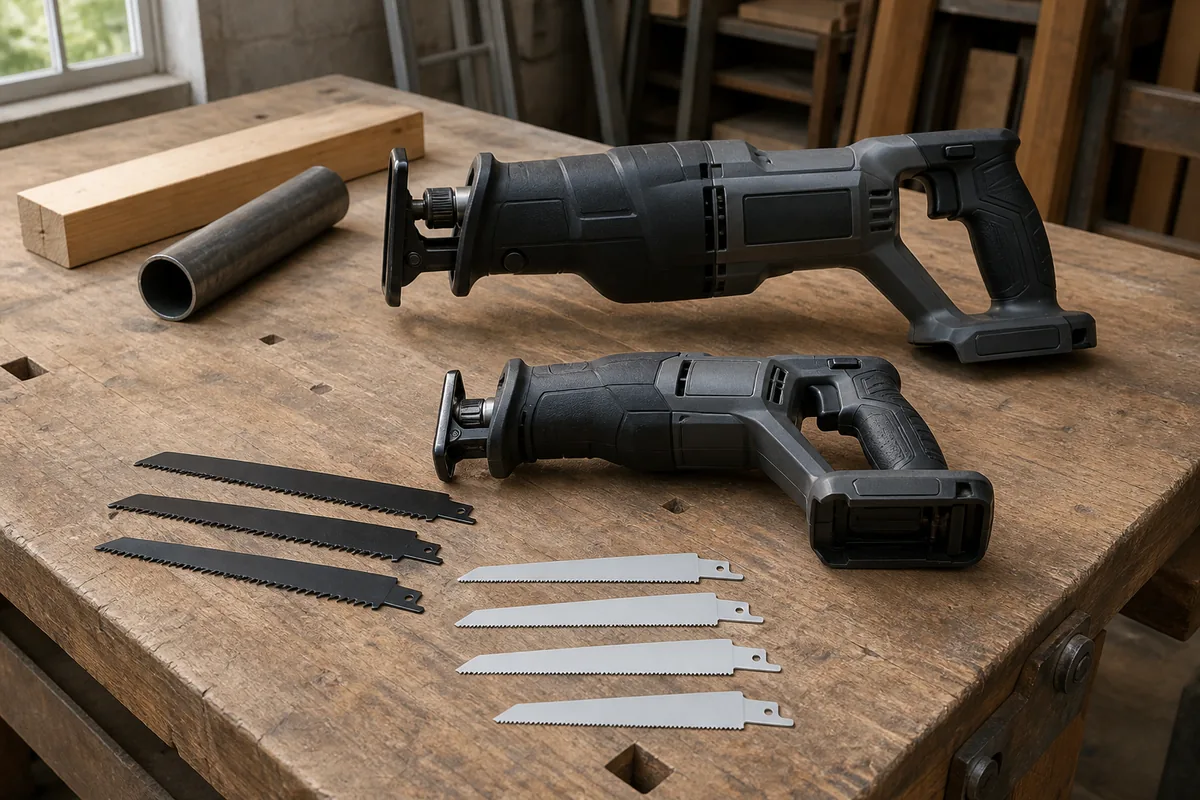
When a root is in the wrong place, a reciprocating saw can remove it without digging an entire trench. The choice between orbital-action and straight-cutting modes matters, though. Orbital action can cut large, woody roots faster, while straight cutting gives better control in tight spaces and is less likely to grab, bind, or throw debris.
For most root-pruning work, a straight-cut reciprocating saw is the safer all-around choice. Orbital action is useful when speed matters and you have room to work, but it is not automatically better just because it cuts more aggressively.
As an Amazon Associate we earn from qualifying purchases at no extra cost to you.


Our Top Picks
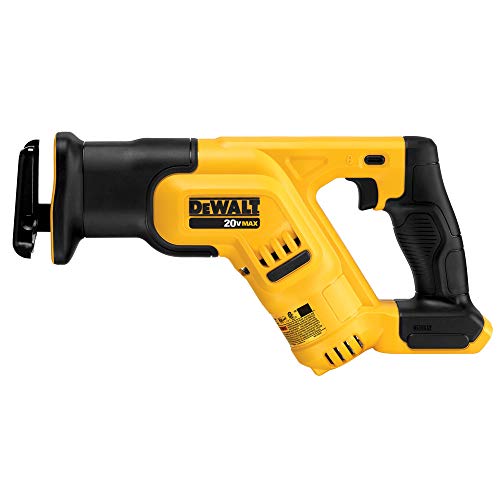
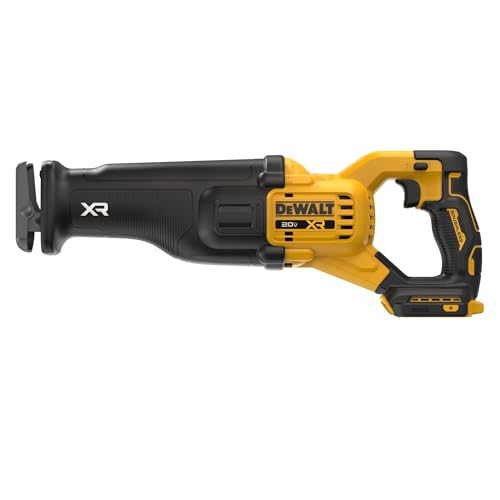 DEWALT 20V MAX* XR Brushless Cordless Reciprocating SawSTANDARD19.3 x 4.2 x 7.4 inches4.5 PoundsCheck on Amazon


How the Two Modes Work
A straight-cut reciprocating saw moves the blade back and forth along a single line. The blade teeth remove material on the forward stroke and clear the cut on the return stroke. This action is predictable and works well for flush cuts, plunge cuts, and roots close to pipes, walls, or valuable plant stems.
An orbital saw adds a small elliptical movement. The blade travels slightly forward on the cutting stroke and lifts away on the return stroke. This clears chips more aggressively and lets the teeth bite harder into soft wood. The trade-off is a rougher cut, more vibration, and less control at the start of the cut.
Orbital action does not make a saw suitable for every root. It is most useful in clean, exposed wood. Roots covered in soil, gravel, or sand can dull a blade quickly regardless of the saw setting.
Orbital Action vs Straight Cut for Roots
| Factor | Orbital action | Straight cut |
|---|---|---|
| Cutting speed | Usually faster in large, soft or green roots | Slower, especially in thick hardwood roots |
| Control | More aggressive and harder to guide | Predictable and easier to position |
| Cut quality | Rougher, with more tearing | Cleaner and more even |
| Binding risk | Higher if the blade twists or the kerf closes | Lower, particularly with a flexible blade |
| Best location | Open trench with room for the saw | Confined spaces and roots near obstructions |
| Vibration | Higher in most hands | Lower and easier to control |
When Orbital Action Is the Better Choice
Choose orbital action when you are cutting a substantial root in an open excavation and need to get through it quickly. On a root around 3 to 6 inches in diameter, the faster chip removal can save noticeable time. It is especially effective on fresh, flexible roots that behave more like green wood than dry lumber.
Use a coarse pruning blade, typically with about 5 to 8 teeth per inch. A long blade, such as 9 or 12 inches, can reach through a broad root without forcing the saw body against the soil. However, do not bury the entire blade in dirt. Keep the shoe pressed against the root and use moderate pressure so the blade can work rather than flex sideways.
An orbital setting is also useful when removing a root that will be cut in several passes. Start with the blade square to the root, establish a shallow groove, and then deepen the cut. If the saw begins kicking or the blade starts bending, release the trigger and switch to straight mode rather than forcing it.
A corded or high-voltage cordless saw can maintain speed better in thick roots. For occasional pruning, a cordless reciprocating saw with orbital action is usually more convenient than running an extension cord into a muddy excavation.
When Straight Cutting Is the Better Choice
Straight mode is preferable when the root is close to a water line, drainpipe, foundation, irrigation line, or tree trunk you need to preserve. The shorter, more controlled blade path reduces the chance of the saw walking sideways into something nearby. It is also the better setting for cutting a root flush with a trench wall.
Use straight action for plunge cuts. A plunge cut starts with the blade tip entering the material, which is difficult to control with orbital movement. Make sure the area behind the root is clear before starting; the blade can extend several inches beyond the root on every stroke.
Straight mode is also kinder to thin, brittle, or dry roots. Orbital action can shake loose bark and split a root rather than cutting it cleanly. If the finished cut affects tree health or you are removing only part of a structural root, control is more important than saving 20 or 30 seconds.
For a basic homeowner setup, a cordless reciprocating saw with pruning blades in straight mode covers most small and medium roots.
Blade Selection and Cutting Technique
Use a pruning blade designed for green wood, not a fine-tooth metal blade. Coarse blades clear wet chips better and are less likely to clog. Keep two or three spare blades available: a root can contain hidden gravel, and one contact with a stone may round the teeth immediately.
Expose as much of the root as practical before cutting. A shovel, hand trowel, or digging bar should remove soil from the top and sides, leaving a clear working gap. Soil acts like abrasive paste, while stones can catch between the teeth and the root.
Set the saw shoe firmly against the root. Let the blade do the cutting and use steady pressure rather than leaning your full weight on the tool. If the kerf closes, stop and wedge the cut open with a plastic or wooden wedge. Never use your hand near the moving blade or try to pull a pinched blade free while the trigger is engaged.
A coarse 6-TPI reciprocating saw pruning blade is a practical starting point for roots from roughly 1 to 5 inches. Thicker roots may need several cuts from different sides instead of one overloaded pass.
Safety and Limits
Before digging or cutting, identify underground utilities. Contact your local utility-marking service, and do not assume a visible cable or pipe is the only buried service. A reciprocating saw can cut plastic, copper, and electrical conduit quickly.
Wear eye protection, gloves, long trousers, and hearing protection. Brace the saw with both hands and keep your body out of the blade’s line. Stop if the root is under tension: when it separates, it can shift, spring, or pinch the blade.
The cheaper straight-cut saw is fine if you prune roots only a few times each year, work in confined spaces, or already own one. Pay extra for orbital action when you regularly cut thick exposed roots and value speed more than finish quality. In either case, the blade and the amount of soil removed usually affect the result more than the mode selector.