What's inside
As an Amazon Associate I earn from qualifying purchases. This post may contain affiliate links at no extra cost to you.
Our Top Picks


Short answer: which one bores faster?
For ordinary holes through framing lumber, both bits can make quick work of a stud when driven by a suitable drill. The Irwin Speedbor is the better pick for frequent, aggressive boring where speed and chip clearing matter. The Bosch Daredevil is often the better-value choice for typical electrical, plumbing and DIY work: its threaded tip pulls the bit into the wood, and it can cut quickly without needing the same firm push.
There is no reliable universal time advantage. Bore speed changes with bit diameter, wood species, moisture, knots, drill speed and operator pressure. A 1-inch hole in dry pine is a very different test from a 1-1/2-inch hole through a knot in a doubled-up stud. If you need a clean comparison, test the same diameter in the same piece of lumber with the same drill and battery charge.
As an Amazon Associate we earn from qualifying purchases at no extra cost to you.


How the two bits cut
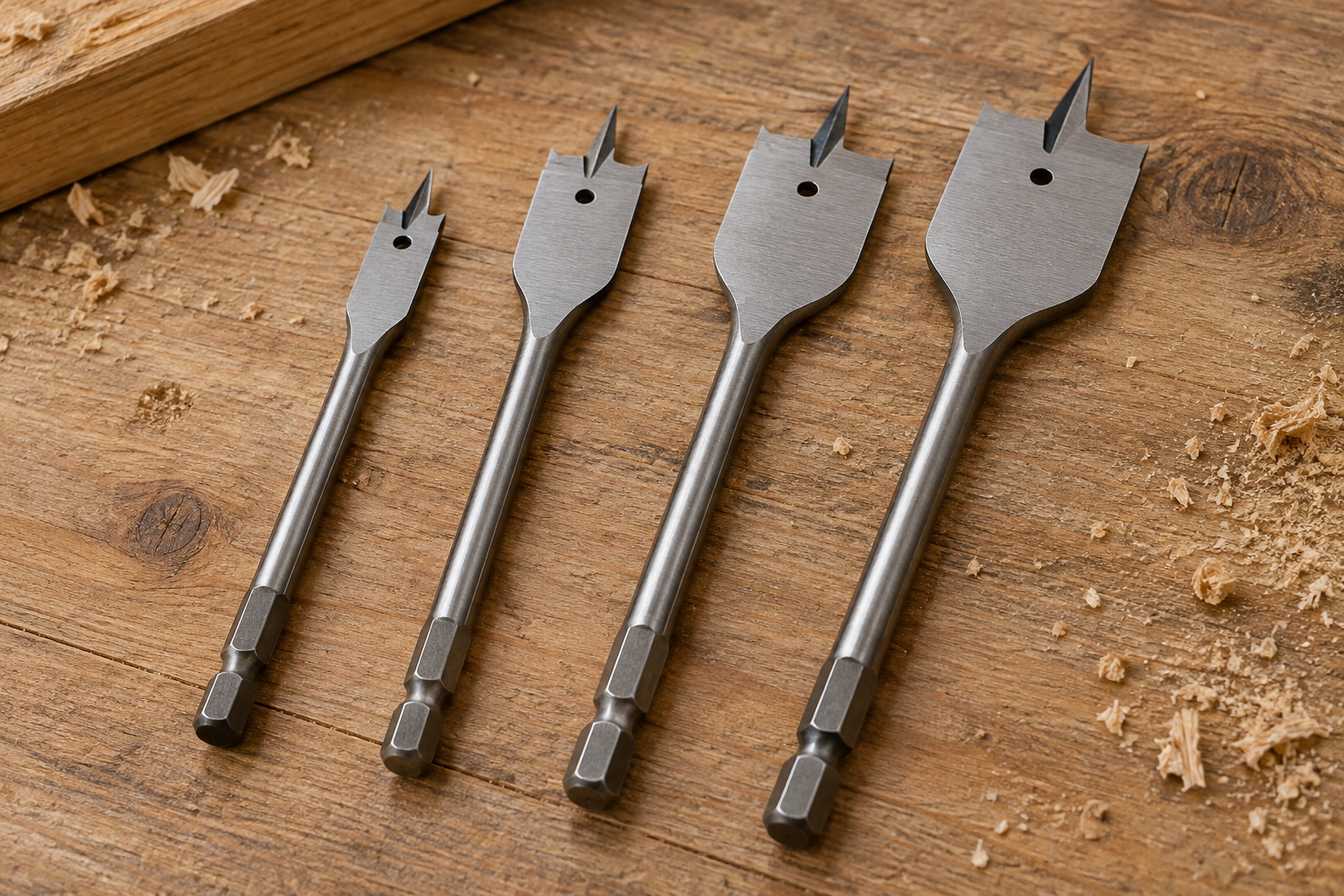
Both are flat spade bits, but their cutting geometry and feed feel differ. The Speedbor has a threaded feed tip and cutting edges designed to remove material rapidly. The Daredevil also uses a threaded tip to draw itself into the work. That self-feeding action reduces the need to lean hard on the drill, but it can also make the bit grab suddenly if you are not ready.
On a typical 2-by-4, the actual wood thickness is 1-1/2 inches. A bit needs to clear chips as it cuts, and a long run of holes can heat the edges and load the drill. Backing the bit out occasionally helps clear packed chips, especially in larger diameters or denser framing lumber. Neither bit can make a knot disappear; expect a slowdown, more vibration or a stalled drill when the cutting edges meet one.
Speedbor vs Daredevil at a glance
| Factor | Irwin Speedbor | Bosch Daredevil |
|---|---|---|
| Best fit | Repeated, fast rough-in holes | General framing and DIY boring |
| Feed feel | Aggressive; keep a firm grip and steady control | Threaded tip pulls the bit into the work |
| Typical trade-off | Fast cutting can mean more grabbing and demanding control | Self-feed is convenient but can catch abruptly |
| What slows it down | Knots, dull edges, packed chips and undersized drills | Knots, dull edges, packed chips and undersized drills |
| Value case | Worth considering when boring is frequent | Good option when occasional holes are the main job |
These are general differences, not a guarantee that every size or kit will behave identically. Check the specific bit’s diameter, usable length and shank before buying. For routine work in softwood, a basic Bosch Daredevil spade-bit set may cover the job without paying extra for a premium choice.
The drill matters as much as the bit
A sharp bit in a capable drill can outperform a premium bit in a weak or unsuitable one. Large spade bits create substantial torque. Use a drill with a side handle if available, keep both hands on the tool, and select a low gear when the drill offers one. A high-speed setting is not automatically faster if the motor bogs down or the bit chatters.
Keep the bit square to the stud, start with controlled pressure and let the cutting edges work. Do not force the bit to compensate for a struggling drill. If it binds, release the trigger and reverse out carefully rather than twisting your wrist against a spinning handle. A cordless drill’s clutch is not a substitute for a side handle or a steady grip. For repeated large-diameter holes, consider whether a right-angle drill or a dedicated high-torque tool is more appropriate than either bit.
Common problems and what to do
The bit grabs at breakthrough: This is a common spade-bit problem, particularly with self-feeding tips. Slow down as the point nears the far face, and ease pressure. When access allows, drill partway from one side and finish from the other to reduce splintering and sudden breakthrough.
The drill stalls or twists: Stop rather than wrestling the tool. Check for a knot, trapped chips or a bit that has started to skew. Clear the hole and try again with a firm grip and a slower gear. A stalled drill can strain its motor and put your wrist at risk.
The hole gets slower over a batch: Heat, resin and accumulated chips can reduce cutting efficiency. Withdraw the bit periodically, clear the flutes and allow an overheated bit to cool. If the edges are visibly damaged or no longer cut cleanly, replacing the bit is usually better than pressing harder.
The hole is rough or off-line: A spade bit is for fast rough holes, not the cleanest finish. Mark the center clearly and use a guide or steady the drill square to the face. If appearance matters, choose a cleaner-cutting bit type instead of expecting a spade bit to leave a finished opening.
Which should you buy?
Choose the Speedbor if you regularly bore many holes in framing and value aggressive cutting performance enough to manage the extra torque and grab potential. It is most compelling for repetitive rough-in work, not because it guarantees a dramatic time saving on every single hole.
Choose the Daredevil if you want a capable bit for occasional work around the house or jobsite and prefer a self-feeding cut. For a few holes in pine studs, the cheaper option is entirely reasonable; operator control, bit sharpness and drill condition are likely to matter more than small differences between brands. Compare the Irwin Speedbor options with the Bosch set in the diameter range you actually use rather than buying the largest assortment by default.
Before drilling studs, check for wiring, plumbing and other obstructions. Hole location and size are also limited by building-code rules for notching and boring structural framing; do not assume a larger bit is acceptable just because it fits the drill. When the job involves load-bearing members or uncertain services, verify the requirements before cutting.