Milwaukee 2880-20 vs Bosch GWS18V-10: Comparing 5-Inch Cordless Grinders for Metalwork

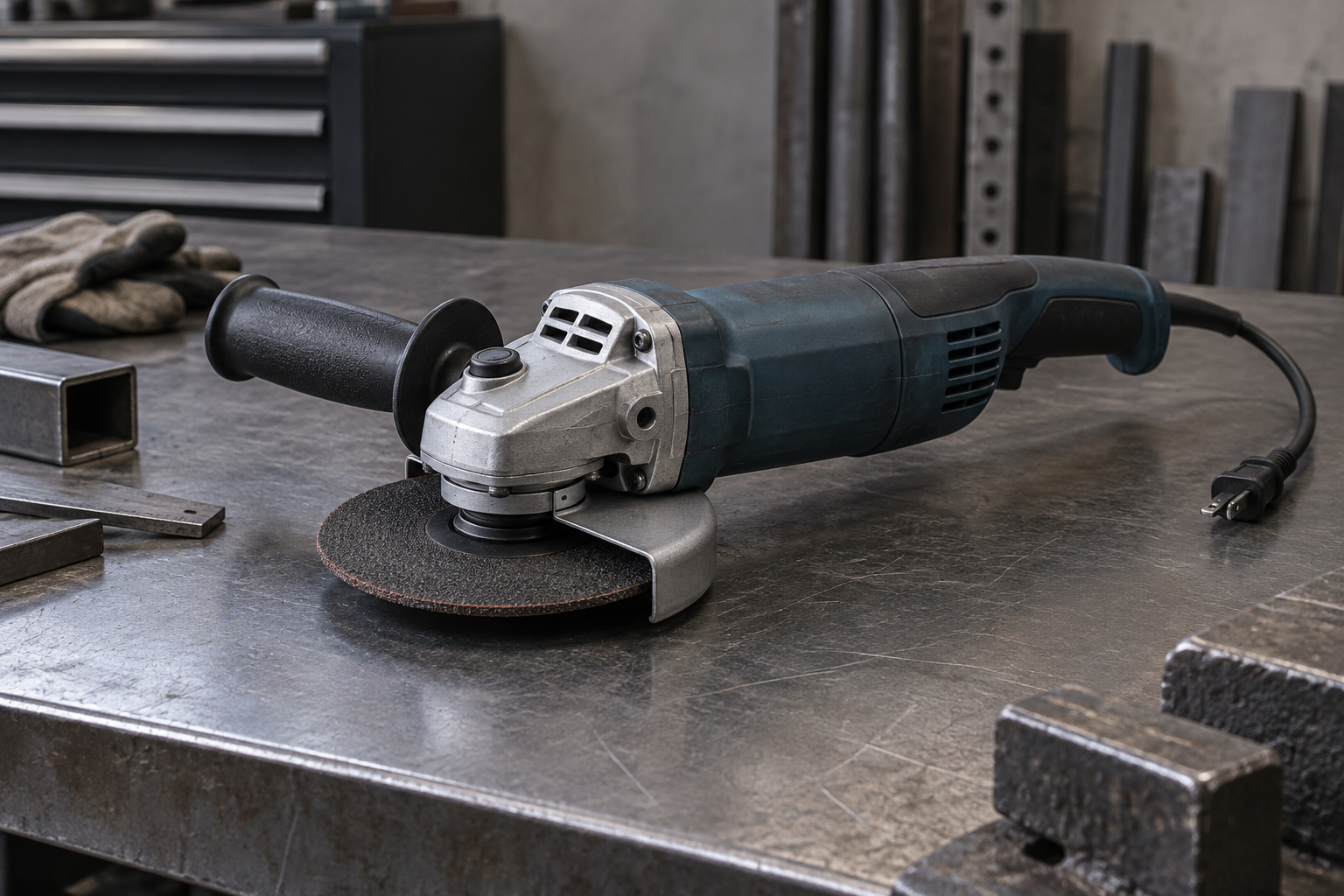
AI-generated editorial illustration of cordless grinders

Quick verdict The Milwaukee 2880-20 and Bosch GWS18V-10 are 18-volt, 5-inch cordless angle grinders aimed at cutting and grinding metal without a cord. Both use brushless motors and require a separate battery, charger, and wheel. The practical choice is less about a headline power claim than about which battery platform you already own, how the … Read more

DeWalt DCG413 vs Makita XAG26: Which Cordless Grinder Offers Better Brake Control?

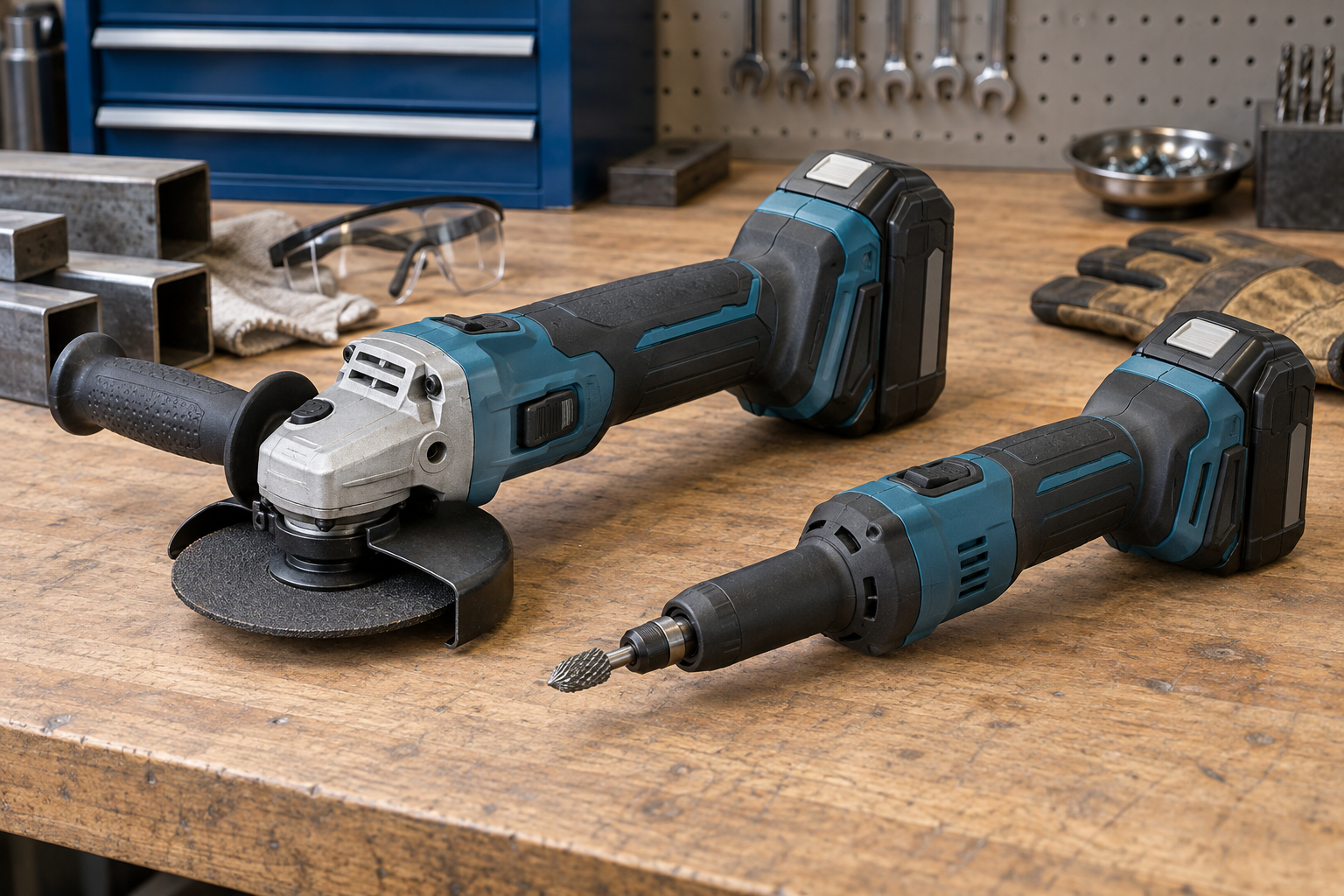
AI-generated editorial illustration of cordless grinders

The DeWalt DCG413 and Makita XAG26 are both 4½-inch cordless grinders with electronic brakes, but their braking systems behave differently. The DCG413 uses DeWalt’s Kickback Brake, which stops the wheel when a pinch or bind is detected. The XAG26 uses an electric brake that stops the wheel after the trigger is released. That distinction matters … Read more

How to Choose a Jigsaw Blade Tooth Count for Thick Hardwood

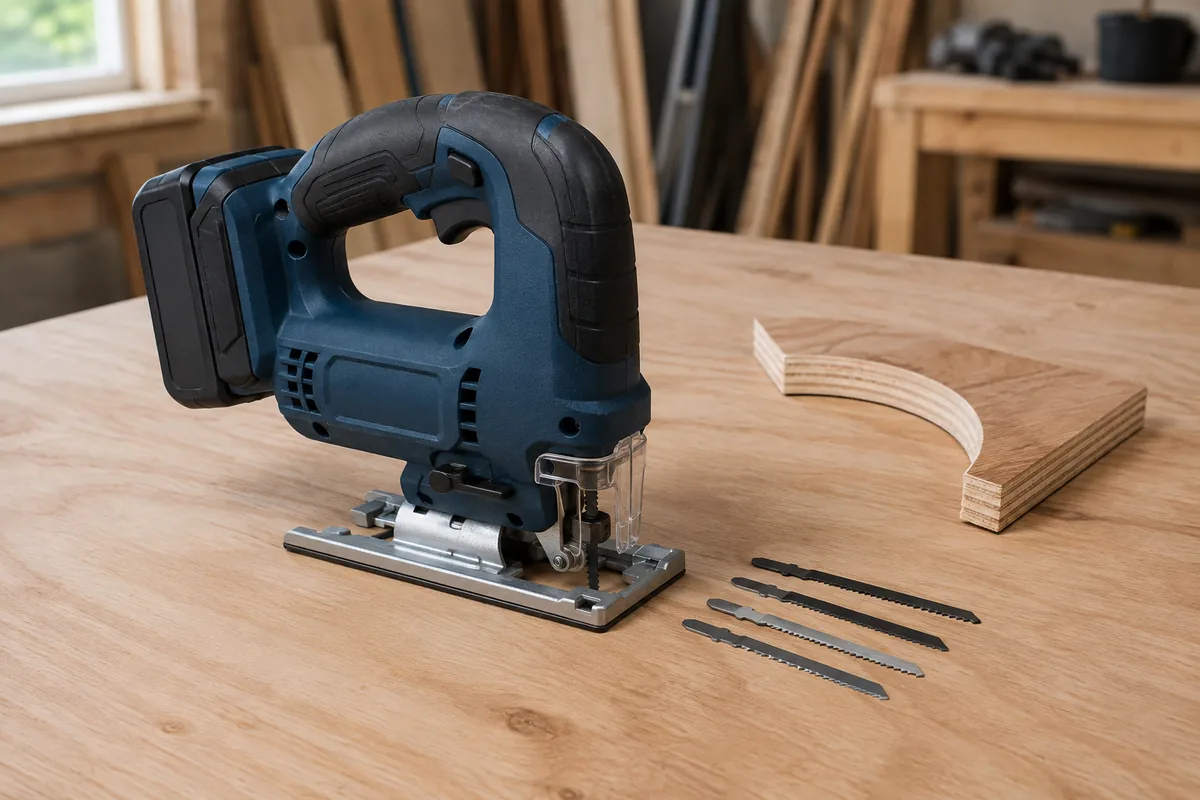
Editorial illustration: cordless jigsaw with loose blades and a curved wood cutout.

Choosing a jigsaw blade for thick hardwood is a balance between cut speed, control and the chance of bending the blade. Tooth count matters, but so do blade length, tooth geometry, material and the saw’s orbital setting. For most rough cuts in solid hardwood, start with a long, coarse blade around 6–10 teeth per inch … Read more

Bosch JS365 vs Makita JV0600K: Comparing Corded Jigsaws for Straight Cuts

Editorial illustration: cordless jigsaw with loose blades and a curved wood cutout.

Bosch JS365 vs Makita JV0600K: Comparing Corded Jigsaws for Straight Cuts The Bosch JS365 and Makita JV0600K are 6.5-amp corded jigsaws aimed at the same jobs: cutting plywood, dimensional lumber, laminate, and light metal without stopping to charge a battery. Both have variable speed, orbital action, tool-free blade changes, and 45-degree bevel capability. For straight … Read more

T-Shank vs U-Shank Jigsaw Blades: Which Attachment System Is More Practical?

Editorial illustration: cordless jigsaw with loose blades and a curved wood cutout.

For most current jigsaws, T-shank blades are the more practical choice. They are widely available, usually install without a tool, and fit a larger range of newer saws. U-shank blades still have a place: they can be perfectly adequate for older jigsaws and are often inexpensive. The important point is that shank shape affects compatibility … Read more

Bi-Metal vs Carbide-Tipped Reciprocating Saw Blade: Which Handles Demolition Longer?

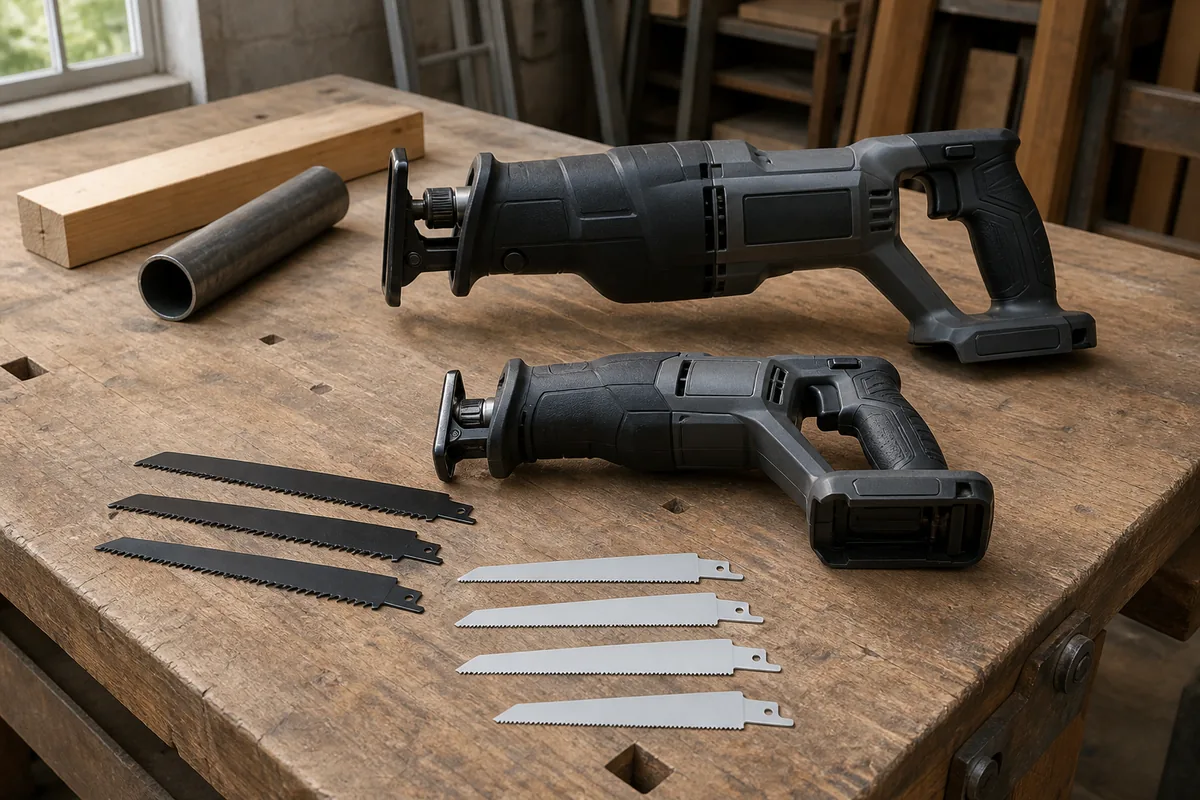
Editorial illustration: reciprocating saws with an assortment of straight blades.

Demolition is hard on reciprocating saw blades because the work is unpredictable. A blade may cut clean wood for ten seconds, then hit a nail, screw, bracket, or hidden pipe. The best choice between bi-metal and carbide-tipped depends less on maximum cutting speed than on how often the blade will meet abrasive material and embedded … Read more

Diablo Demo Demon vs Milwaukee Ax Carbide: Comparing Reciprocating Blades for Nail-Embedded Wood

Editorial illustration: reciprocating saws with an assortment of straight blades.

When a reciprocating saw blade meets nail-embedded lumber, ordinary bi-metal teeth can lose their edge quickly. The practical choice is often between Diablo’s Demo Demon carbide blade and Milwaukee’s AX carbide blade. Both are made for demolition work, but they favor different cutting styles. The Diablo is the more versatile option for mixed demolition; the … Read more

Order backlinks