Rasp vs Cabinet File for Shaping a Hardwood Door Edge
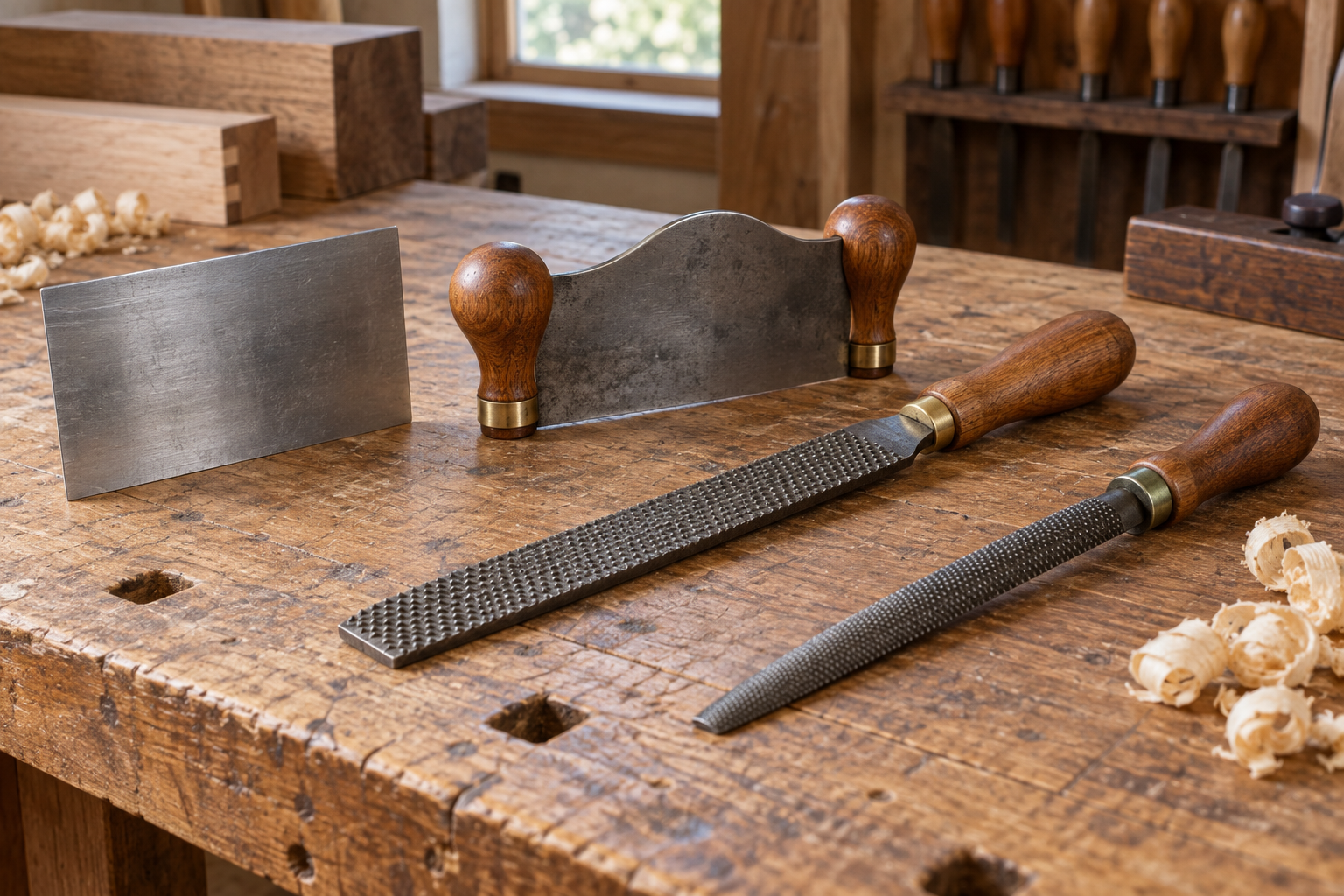
AI-generated editorial illustration of scrapers rasps files

Rasp vs Cabinet File for Shaping a Hardwood Door Edge When a hardwood door edge needs reshaping, a rasp and a cabinet file can both remove material, but they are not interchangeable. A rasp is the faster, rougher tool. A cabinet file is slower and more controlled, with a much better chance of leaving an … Read more
Best Wood Rasp for Shaping Curved Furniture Components

AI-generated editorial illustration of scrapers rasps files

What Makes a Good Wood Rasp for Curves? Shaping a curved furniture component is a different job from flattening a board. Chair legs, cabriole legs, armrests, bow-front parts, and carved brackets change direction constantly. The best wood rasp removes material quickly without leaving deep, widely spaced grooves that take hours to sand out. For most … Read more

Bastard-Cut vs Second-Cut File for Shaping Aluminum by Hand

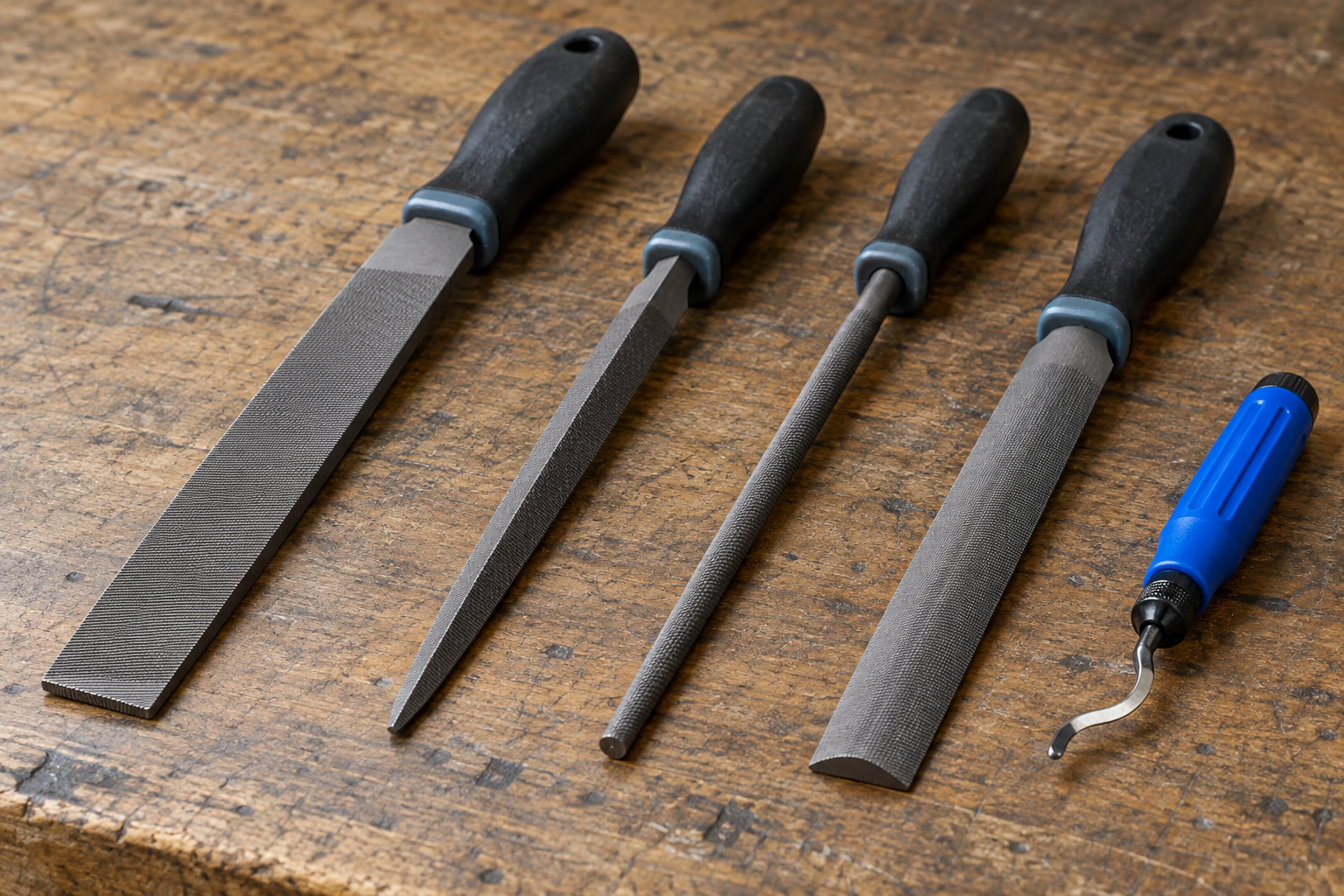
AI-generated editorial illustration of metal files and deburring tools

For shaping aluminum by hand, a bastard-cut file is usually the better starting point. A second-cut file gives a smoother surface and more control, but it removes metal noticeably slower. The right choice depends on whether you are still changing the part’s shape or are already close to the finished dimension. As an Amazon Associate … Read more

Best Needle File Set for Finishing Small Brass Components

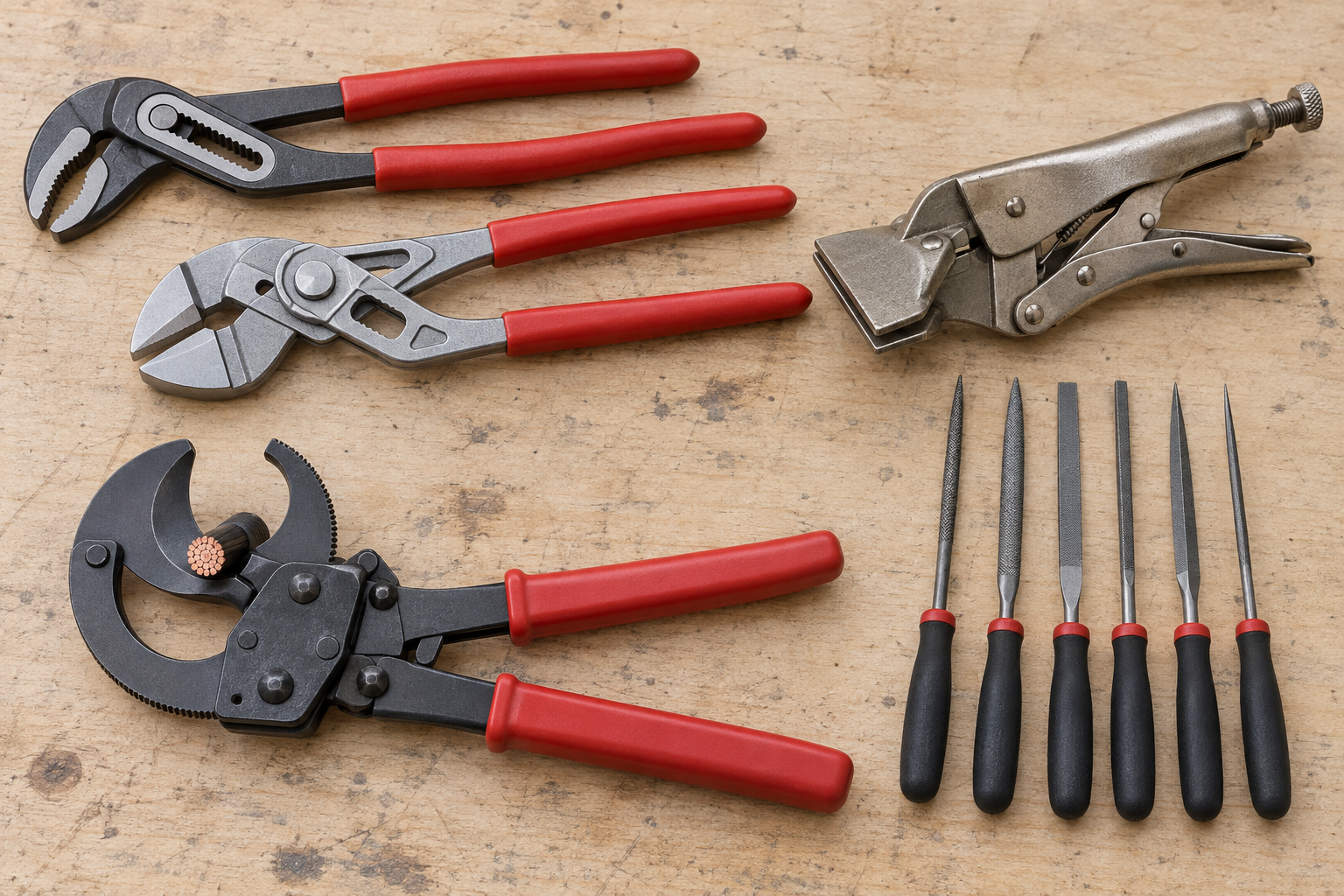
AI-generated editorial illustration of specialized hand pliers and needle files

Finishing small brass components calls for control, not brute force. A needle file can clean a burr inside a slot, fit a small shoulder, or smooth a freshly cut edge without removing too much material in one pass. The best set is usually a matched group of fine-cut files with comfortable handles and useful shapes—not … Read more

Hand File vs Rotary Tool for Deburring Small Metal Parts

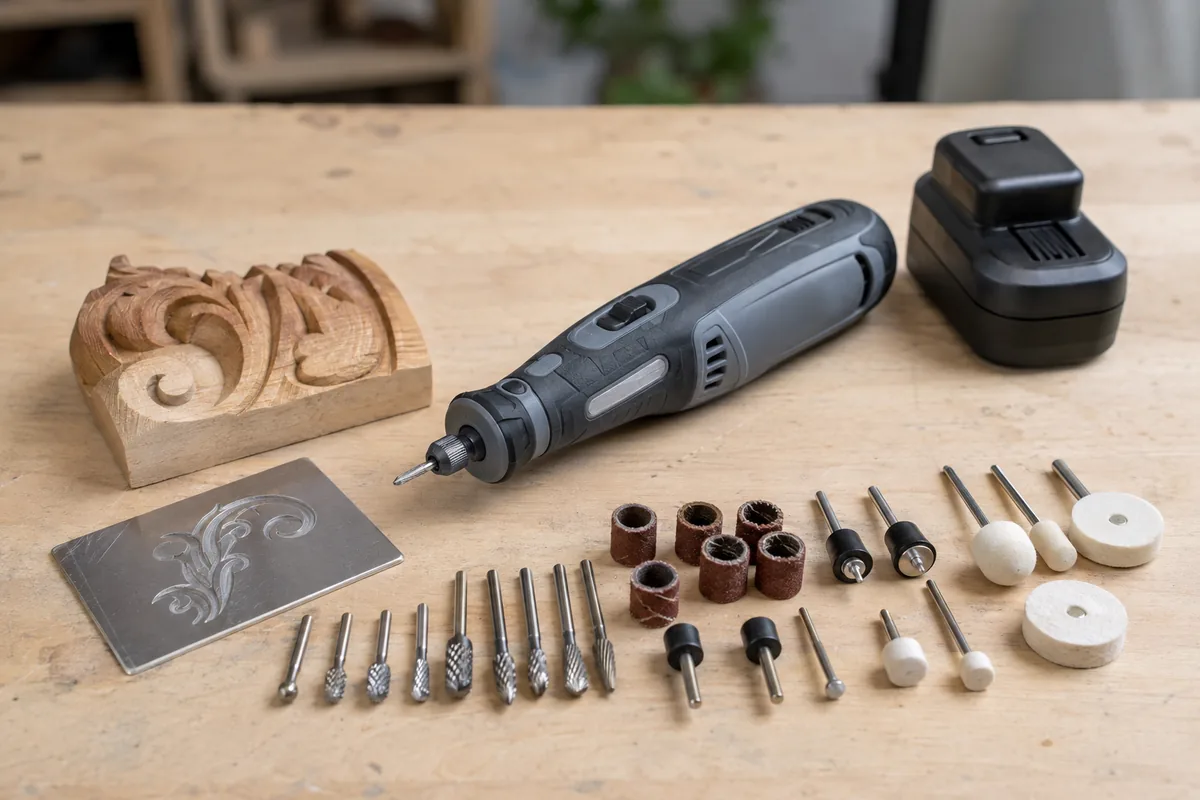
Editorial illustration: handheld rotary tool with sanding and polishing accessories.

Choosing the Right Deburring Tool For small metal parts, a hand file and a rotary tool can both remove sharp edges, but they behave very differently. A file gives you control and feedback. A rotary tool removes material quickly, reaches awkward spots, and can produce a cleaner-looking edge when used carefully. It can also ruin … Read more

How to Choose a File Shape for Deburring Internal Slots

AI-generated editorial illustration of metal files and deburring tools

Internal slots are awkward to deburr because the tool must remove a sharp edge without rounding the slot, enlarging its width, or scratching the surrounding face. The right file shape depends on the slot’s width, depth, corner radius, and whether the edge is straight or curved. A flat file is not automatically the best choice: … Read more

Best Mill File Cut for Smoothing Mild Steel Edges

AI-generated editorial illustration of metal files and deburring tools

For smoothing mild steel edges, the best general-purpose choice is a single-cut mill bastard file. Its straight, parallel teeth remove metal in a controlled way and leave a cleaner surface than a coarse double-cut file. A 10- or 12-inch file is the most useful size for brackets, plate, flat bar, tubing, and cut edges left … Read more

Order backlinks